A tour around Iceland’s South Coast

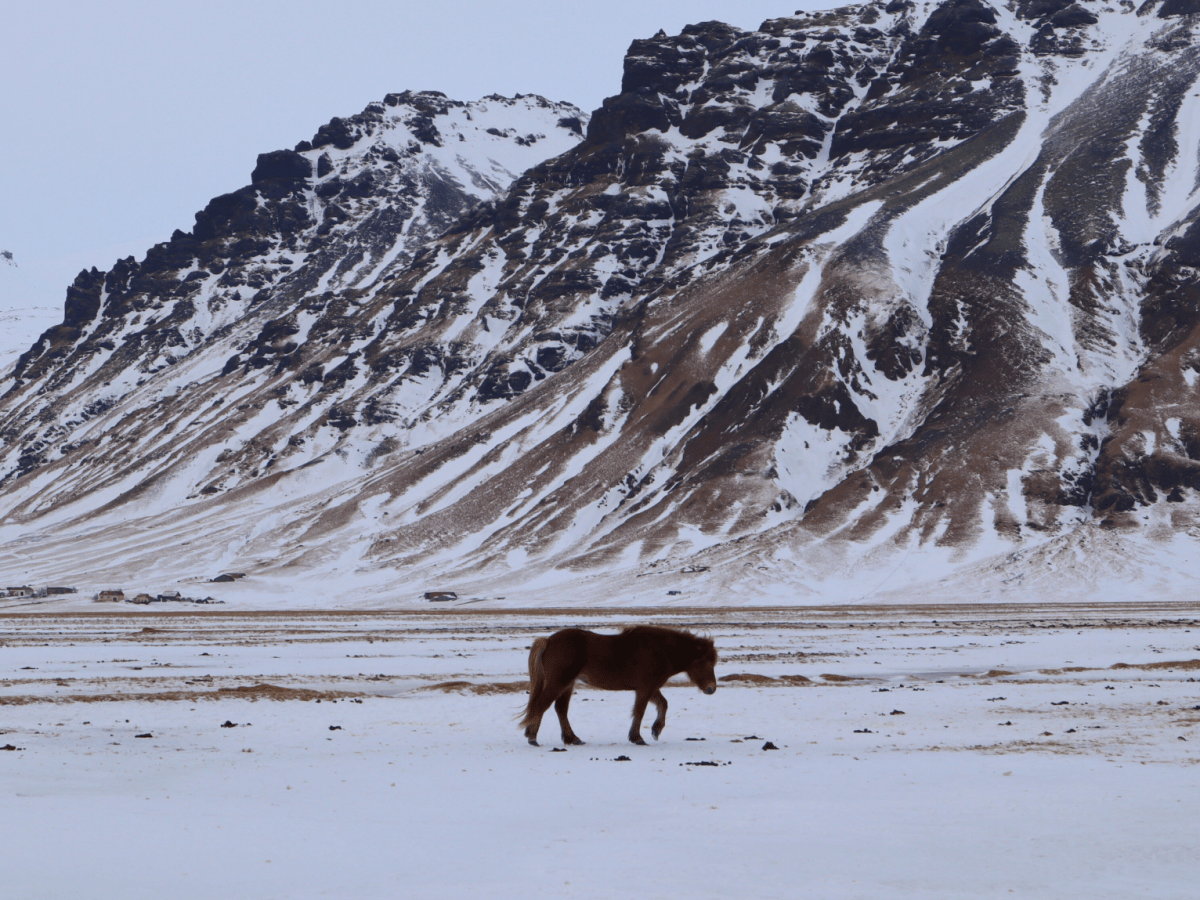
Welcome to Iceland’s South Coast, where water, fire and ice, like the colours in Iceland’s flag, cross paths to reveal dramatic landscapes and enchanting natural wonders. I’ll take you through majestic glaciers, breathtaking waterfalls and the famous Black Sand Beach and tell you myths and legends about these beautiful places, preserved and passed down from one generation to another.

1. Sólheimajökull
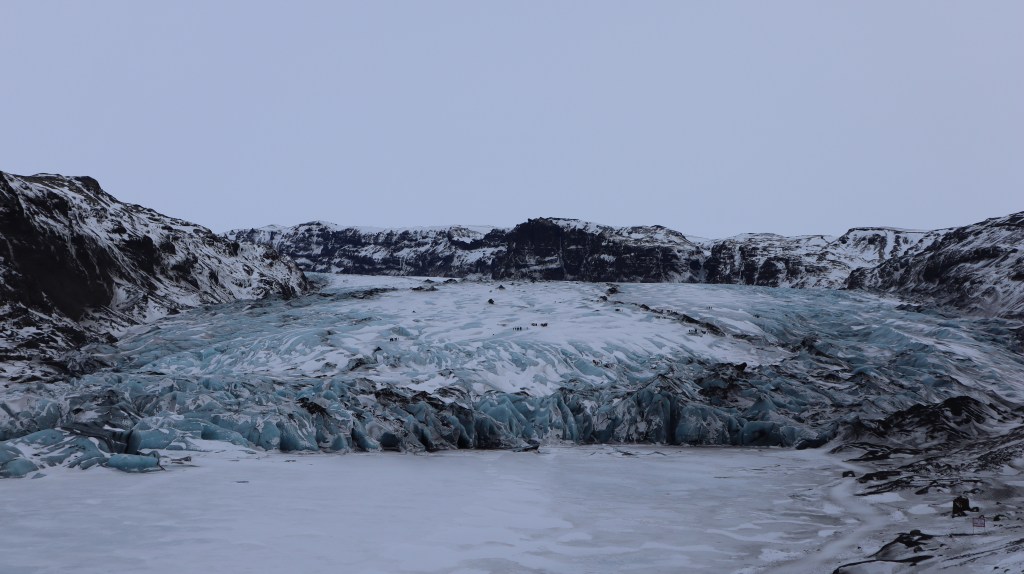
One of the most easily accessible outlet glaciers from Reykjavik by car, Sólheimajökull is an intimidating sight to see. Its size reaches 8km in length and 2km in width. Sólheimajökull is part of the Mýrdalsjökull ice cap which is the fourth largest glacier in Iceland and covers around 595km2. For reference, below I’ve included an image of Sólheimajökull’s size compared to the entire Mýrdalsjökull ice cap.

Mindblowing, right? What if I told you that Vatnajökull, Iceland’s largest glacier, is more than 13 times the size of Mýrdalsjökull? It’s the largest glacier mass in Europe covering approximately 7,900 km². Now that’s impressive!

Back to Sólheimajökull! It’s such a popular and accessible tourist attraction that it’s hard to see the place completely empty. It takes less that 5 minutes to get from the car park to the glacier lagoon, and another 10 minutes to get to the glacier wall itself. It’s not only a sight to see and admire but you can also hike on the glacier with proper equipment and a guide (definitely on my to-do list one day).

An interesting fact about glacial ice is that it’s quite different to the ice you get from your freezer. It melts slower. But also… it’s blue and there’s a scientific reason behind it!
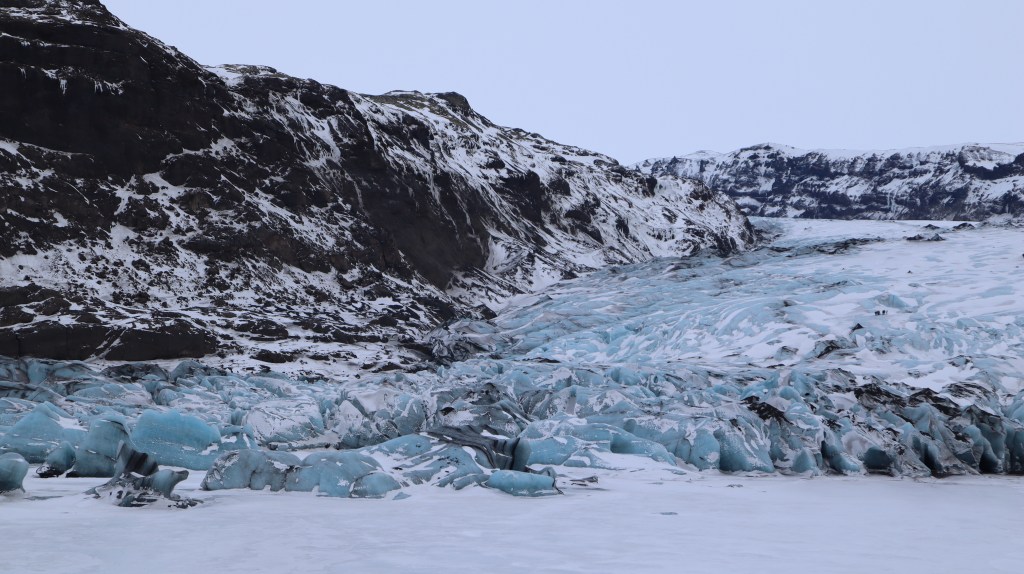
Glaciers are large, thick masses of ice that form on land when fallen snow gets compressed into ice over centuries. The bigger and heavier the glacier, the more compressed the ice becomes and during that compression air bubbles are squeezed out, increasing the density of the created ice. Ice absorbs light to different extents depending on its density and the light’s wavelength. Longer wavelengths, such as red, orange, and yellow, have lower energy and are more easily absorbed or scattered by the molecules in the ice. Blue light, with its shorter wavelength and higher energy, is scattered less by the molecules in the ice. This allows it to penetrate deeper into the ice before being absorbed, giving glaciers their blue colour. So pretty!

2. Skógafoss
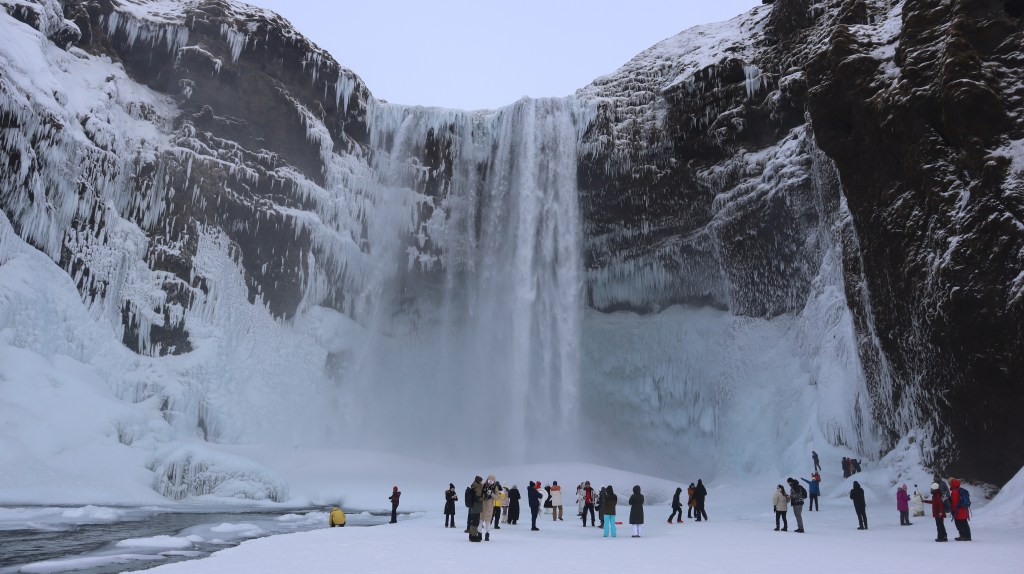
This is one of the biggest waterfalls in Iceland and it was featured in Season 8 of Game of Thrones as part of the landscape beyond the Wall in the North. With a drop of 60m and a width of 25m, it’s hard not to feel like an ant next to it. If you visit Skógafoss on a sunny day you’re very likely to see a single or even double rainbow due to the amount of spray produced by the waterfall. On the right side of it, there are stairs (527 of them… not that I counted) that lead to the top of the waterfall and reveal a wonderful panoramic view which is worth the effort. Be careful if you’re visiting in the winter months as the stairs can become slippery – like everything in Iceland during that time. It’s always best practice to bring crampons (ice cleats) with you or you can also buy them on your arrival in Reykjavik. At least 1 or 2 shops are selling this kind of equipment around every corner in the city centre.

Like most landmarks in Iceland, there is a legend about Skógafoss (and no, this one doesn’t mention trolls or dwarves). Legend has it that long ago, when the first Viking (Þrasi Þórólfsson) settled in this area, he buried a treasure chest behind the waterfall. Then in the year 1600, three men found the treasure chest and tried to get it by placing a hook on one of its rings. As they were dragging the chest towards them, the ring broke off and the chest disappeared into the waterfall never to be seen again. It is said that this same ring is now on the door of the church in Skógar. You’re more than welcome to look for the treasure when you visit Skógafoss – just remember to share it with me if you do find it. Sharing is caring!

3. Vik i Myrdal
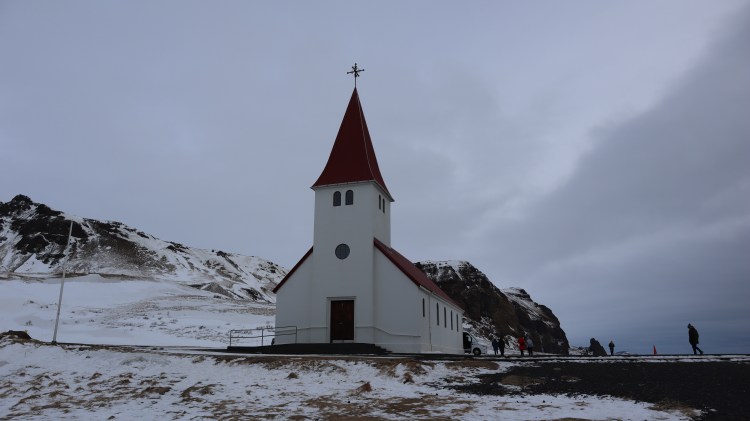
Commonly referred to as just “Vik”, Vik i Myrdal is a small village on the southern coast of Iceland with a population of 300-400 residents. It’s a popular spot for tourists exploring the southern part of Iceland as it is surrounded by natural wonders – from the iconic Reynisfjara (Black Sand Beach) to the Mýrdalsjökull glacier and the Katla volcano, which lies beneath it. There is a church on top of the village hill called Víkurkirkja. Since its construction in 1934, the church has remained an important cultural and religious symbol for the local community. Many visitors of Vik also climb the hill to admire the panoramic view of the village and coastline it offers.

From the top of the hill, you can see the impressive rock formations at Reynisfjara which are also known as Reynisdrangar, an integral part of Icelandic folklore. Can you tell where I’m going with this? There’s a legend about them! Long ago, those rock formations were once trolls trying to pull a ship ashore. They pulled and pulled and pulled for hours but they were caught by the sunlight of dawn, which turned them into stone, a common fate that awaits trolls who stay out until dawn. Harsh isn’t it? The more I learn about trolls in folklore, the more I’m starting to feel bad for these guys. For the most part, they were just clumsy, greedy and a bit stupid, but aren’t we all sometimes?

4. Reynisfjara (Black Sand Beach)

I can almost bet that even if you didn’t know where Reynisfjara was located, at some point, you would’ve seen it on Instagram, in films and commercials. Despite being THE black sand beach of Iceland, it’s not the only one in the country but it sure is the most popular for a reason. The combination of black sand, fierce North-Atlantic waves and towering rock formations leaves any visitor in awe. Reynisfjara’s black sand is made up of Basalt, a type of rock that forms as a result of the rapid cooling and solidifying of volcanic lava (from Katla volcano), which comes in contact with the ocean. Over time and with the help of the strong waves and winds, the basaltic rock formations are broken down into smaller particles which we call black sand.

Putting the otherworldly appearance of this place aside, there are hidden dangers at Reynisfjara and they’re called sneaker waves. Those are waves that appear suddenly in a train of smaller waves and can sweep visitors standing too close to the water’s edge. Unfortunately, over the years there have been multiple incidents – some of them fatal. As a response, the Icelandic Road and Coastal Administration developed and installed a light by the beach’s parking lot which flashes in yellow or red (never green) based on a wave forecasting system.
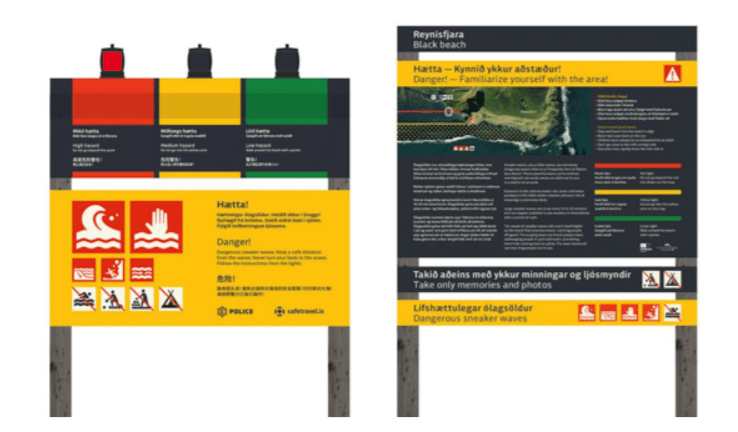
So, keep an eye out for the colour of the light when visiting and stay away from the water’s edge. Trust me… the view looks even better from afar!

P.S.: For all of my Game of Thrones geeks, Reynisfjara was the filming location for Eastwatch-by-the-sea, where Jon Snow and his warriors ventured into the wild to prove the existence of the White Walkers. Thankfully, they weren’t attacked by trolls, although I’m not sure what’s worse… Icelandic trolls or the White Walkers?

5. Seljalandsfoss

Seljalandsfoss waterfall is part of the Seljalands river, which originates from the Eyjafjallajökull volcano glacier (also referred to as E15 because it’s that much easier to say “E15” instead of “Eyjafjallajökull”). The waterfall drops 60m and is one of the few in Iceland that you can walk behind if you’re prepared to get wet. An interesting fact about this area is that it was once submerged beneath the Atlantic Ocean. As the waters receded over time, they revealed this beautiful scenery.

You might also recognize Seljalandsfoss from Justin Bieber’s “I’ll Show You” music video.

But it’s not just Biebs who clearly loves Iceland’s nature. Artists like David Guetta, Take That, Zara Larsson, Avril Lavigne and many more have also chosen to feature this magical country in their music videos.

It’s crazy re-watching them on YouTube now and thinking “I’ve been there too”!


If you’re planning your next adventure in Iceland or simply want to know more about the country, stay tuned for my next blog post about the Golden Circle!
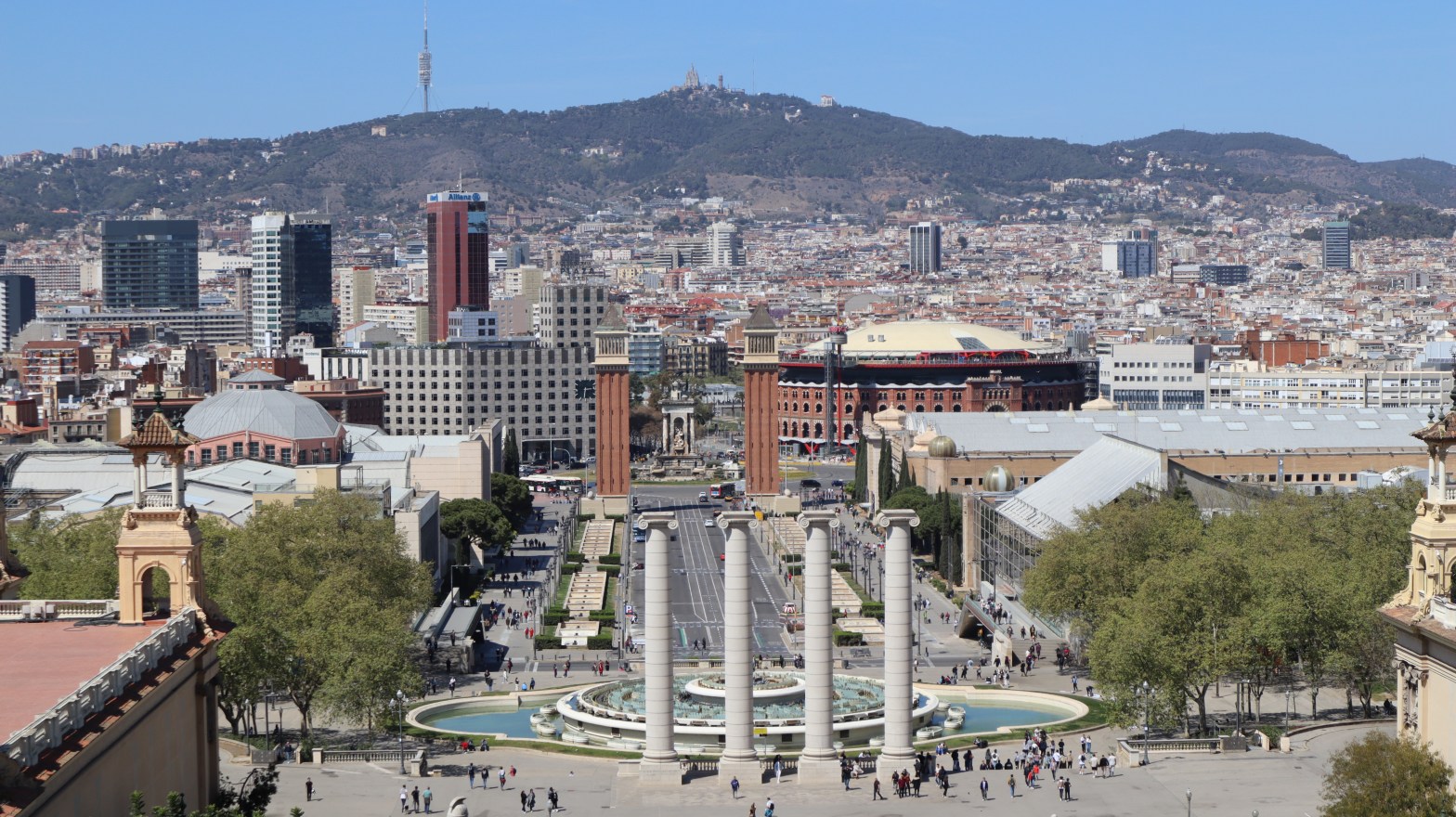

10 Best Things to Do in Barcelona

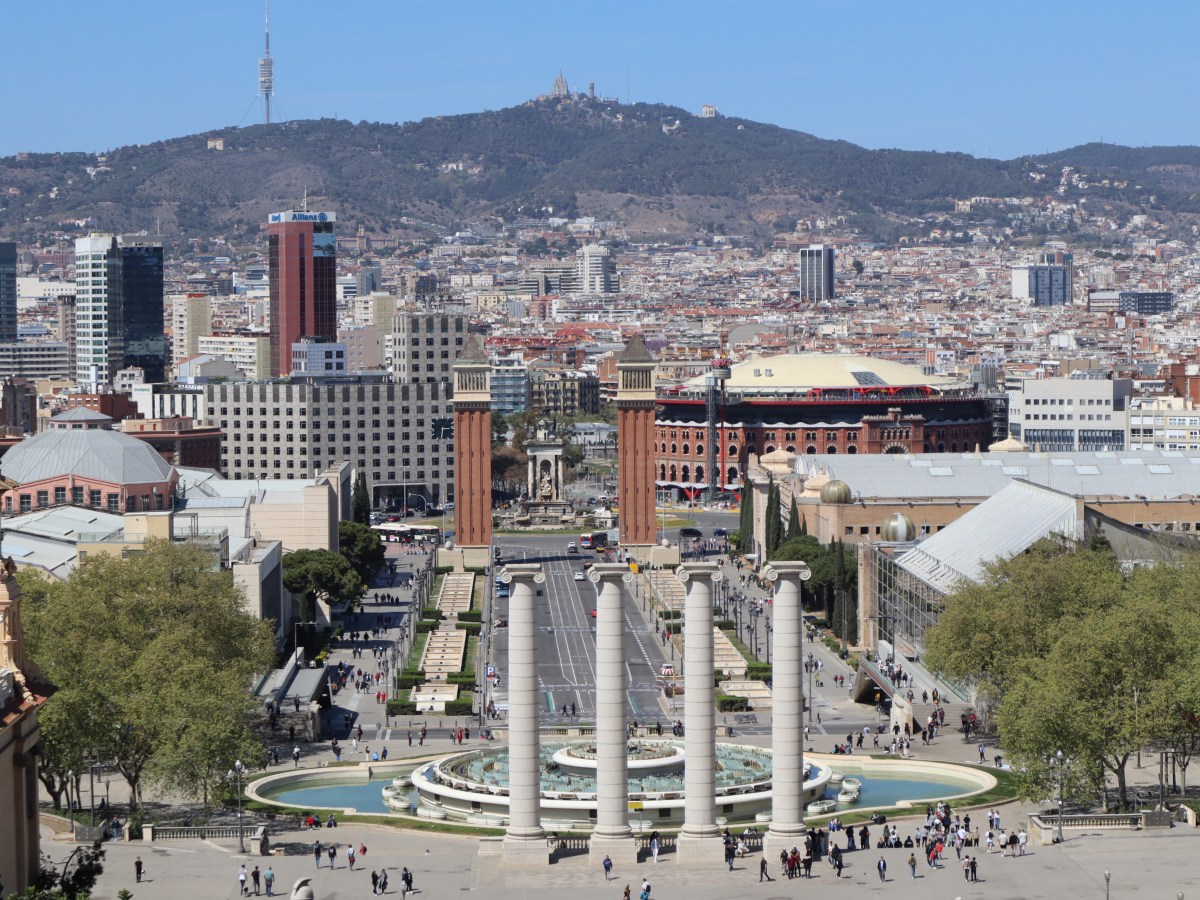
Barcelona, with its unique blend of ancient traditions and modern flair, attracts millions of travellers from all corners of the globe. It offers stunning architecture, breathtaking views, a friendly atmosphere and one of the world’s best cuisines which have turned Barcelona into a national gem and a dream destination for many. I was lucky enough to visit Barcelona not once but twice in the past couple of months and each time I felt more and more drawn to the Spanish culture and lifestyle.

In this blog, I’ve included places and landmarks that left me mesmerised and awestruck. There’s a mixture of must-see touristy spots and authentic places visited by locals that I hope will turn your city break into a truly immersive and unforgettable experience. So let’s jump right into it… or as the Spanish say ¡Vamos!

1. Santa Maria de Montserrat Abbey

Montserrat Abbey

Nestled between the Montserrat Mountain peaks just 50km northwest of Barcelona, Montserrat Abbey offers a retreat from the bustling atmosphere of the city – like a breath of fresh air. No, actually… the air there is so crisp! The setting is nothing short of breathtaking, revealing a panoramic view of the Catalan countryside. On your way to the basilica, you will see food stalls on both sides of the road, offering anything from fruit and drinks to dairy products, roasted and caramelised nuts, as well as sweets made with honey and nuts. If you have the time, do stop by some of the stalls as the sellers will offer you free samples of their products. I was very impressed by the rich variety of cheese and I highly recommend trying some of them if you’re not vegan.

Famous for its Black Madonna statue, also known as La Moreneta, Montserrat attracts pilgrims from all walks of life seeking hope in the presence of this icon. Don’t forget to book a slot to see the Black Madonna once you get to the basilica. The last thing you want is to leave the Black Madonna visit until the end and realise the next available slot is hours away.

2. Tibidabo Hill

Tibidabo Hill

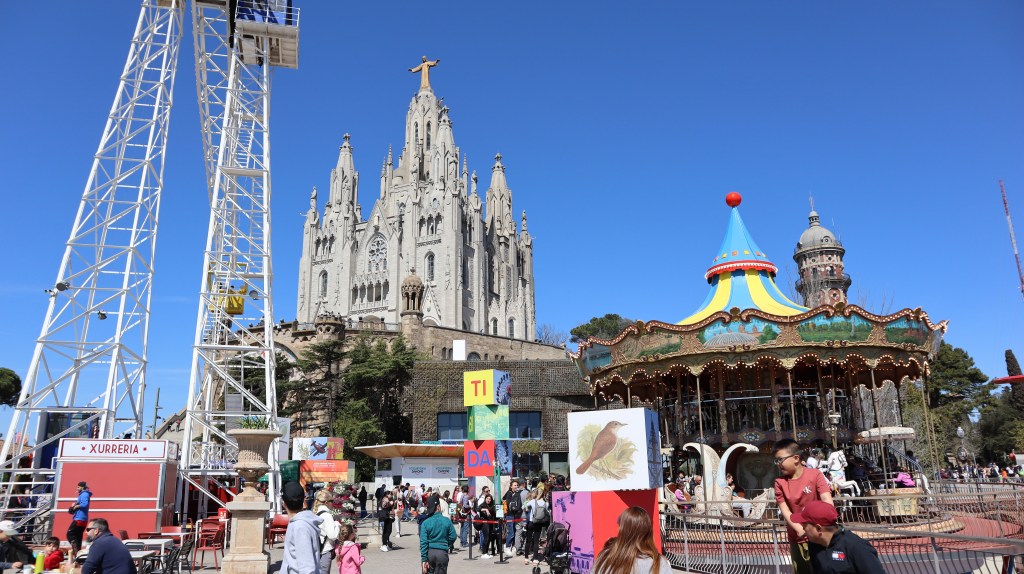
Another one for the lovers of panoramic views! Tibidabo Hill is located on the outskirts of Barcelona and offers a fantastic view of Barcelona as well as plenty of entertainment for those who love amusement parks. Atop the Tibidabo Hill is the Sagrat Cor church, with its famous bronze Jesus statue made by Josep Miret in 1950. Architecturally, the Sagrat Cor church combines different styles from the Neo-Gothic and Modernisme movements, featuring intricate sculptures and ornaments – a style that is influenced by the church’s decades-long construction period.

The amusement park, on the other hand, offers a mix of classic and contemporary rides and is a prominent landmark that is visible from various parts of Barcelona at night.

Tibidabo is easily accessible by road or via the Tibidabo Funicular. To get the best of both worlds, we took the funicular to the Vallvidrera Village and then took bus 111 to Tibidabo Hill.

3. Casa Mila (La Pedrera)

Casa Mila rooftop
Casa Mila La Pedrera

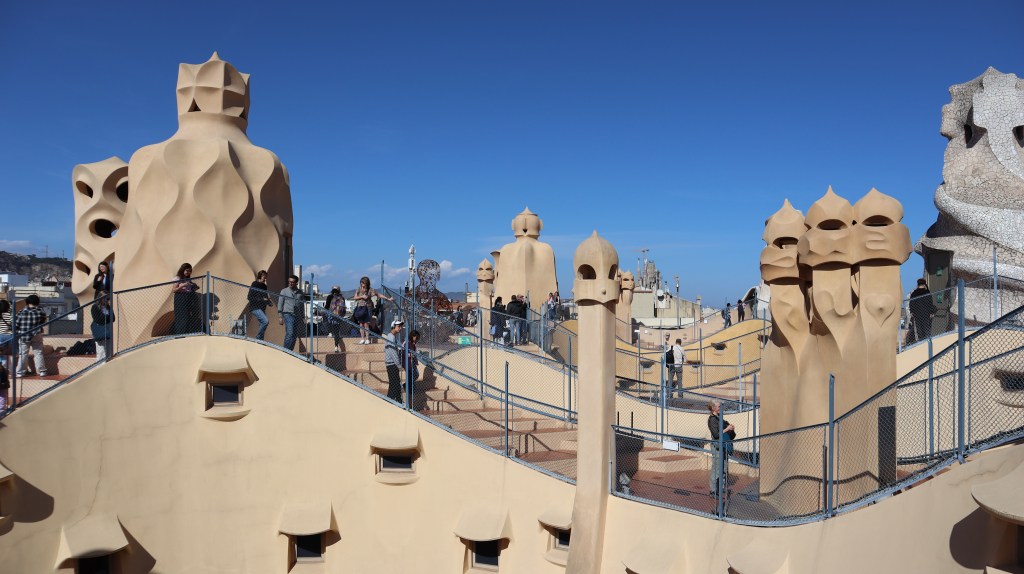
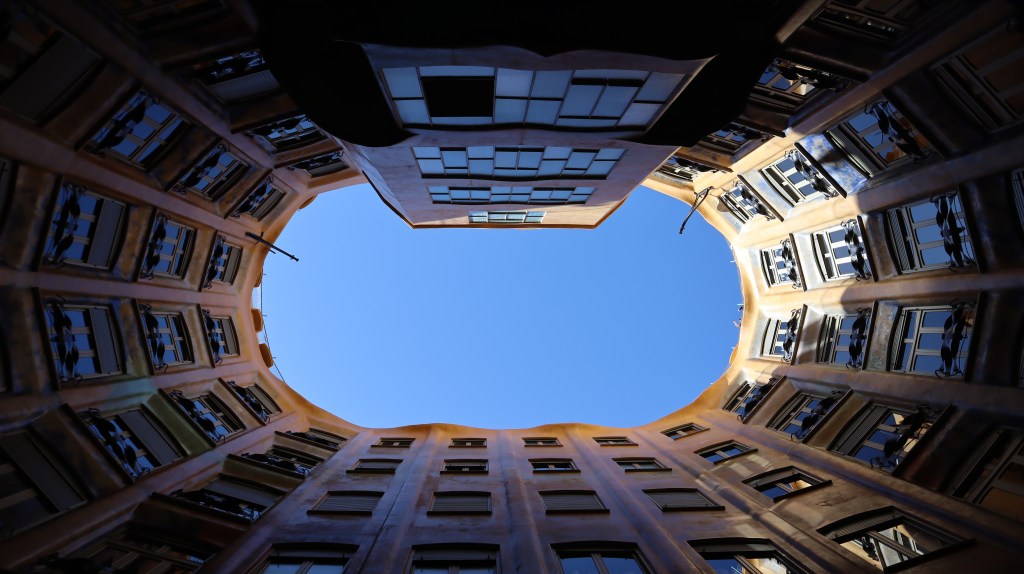
The last private residence designed by Gaudi and an emblematic building for Barcelona, Casa Mila (La Pedrera) is recognised by UNESCO as a World Heritage Site and is one of Gaudi’s most intriguing and spectacular creations. The building itself consists of a combination of styles, shapes and materials. From the outside it is particularly striking to see the solidity of the material shaped in a wave-like harmonious movement. Even the intricate balconies of the building, made of iron, beautifully imitate underwater vegetation. The irregular floorplans and intricate details inside show the complete freedom Gaudi had over the distribution of each floor. Walking up to the rooftop, you can see the many chimneys Gaudi designed, made of broken tile shard mosaic, Ulldecona stone, marble and ceramics, each with its own shape and movement. Some say the chimney figures look like warriors, others see it as a landscape, but to me it all looked like a giant sandcastle or perhaps some underwater kingdom we have been lucky to discover.

If you plan on paying Casa Mila a visit (which I highly recommend) make sure you purchase your tickets online as they are cheaper than those you could get from the ticket office.

4. Park Güell

Park Guell Barcelona
Park Guell Parrot

Another must for anyone visiting Barcelona! Park Güell offers its visitors beautiful vegetation, intricate mosaics and fairytale-like art and architecture. It gives its visitors a nice change from the city life and and attracts millions of tourists every year. Due to the high number of visitors, the park is regulated by timeslots and tickets that can be booked online ahead of your visit.

There are many entrances to the park, but I suggest walking or taking a bus to the Arnold Schonberg stop which is not far from one of the entrances and allows you to continue your park visit downhill. I recommend allocating at least 2 hours to your visit at the park to truly experience its atmosphere and see its beauty from all angles.

5. Sagrada Familia

Sagrada Familia

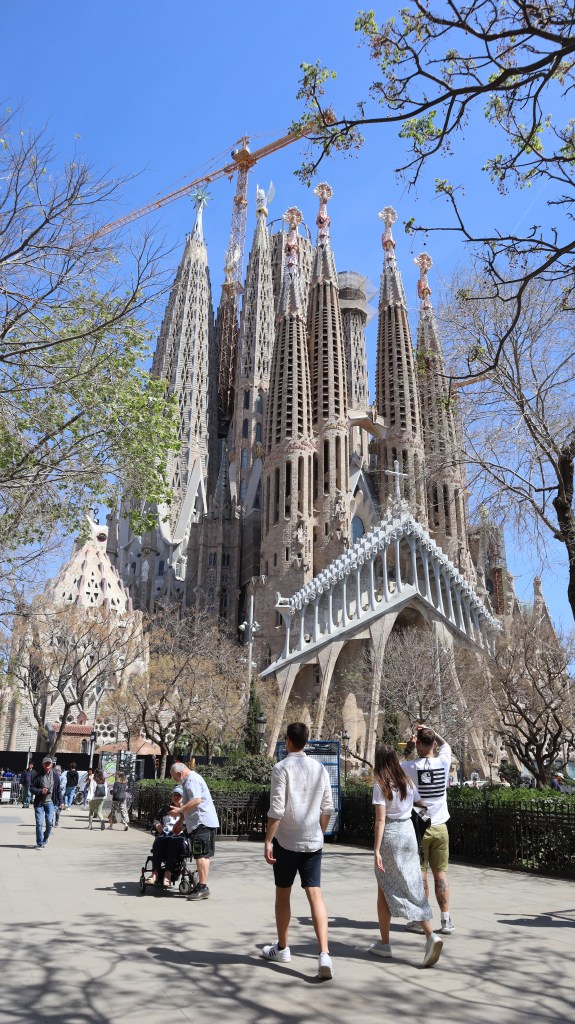
I’ve seen Sagrada Familia so many times – in photos, movies, commercials and I was still amazed by the structure and architecture of the cathedral. Every detail, every shape, every window mural is absolutely perfect. The cathedral is a true embodiment of Gaudi’s devotion to nature and spirituality. It’s one of those things that you need to see for yourself – so all I would say is get that ticket!

6. Ciutadella Park

Ciutadella Park Fountain
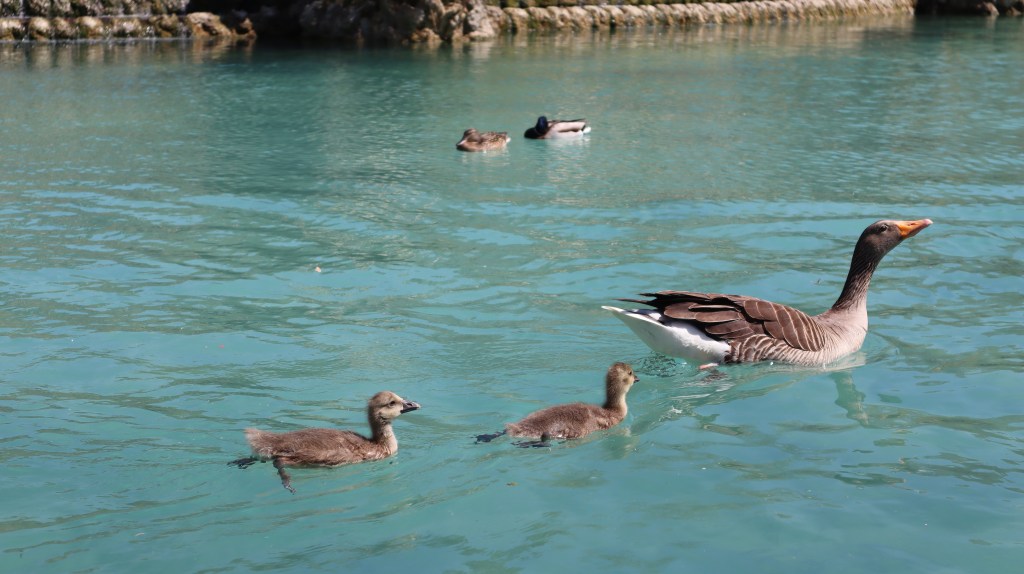
Ciutadella Park Geese

Ideal for long walks, picnics or if you need a break from the bustling atmosphere of Barcelona, Ciutadella Park spans across 77 acres and includes the Cascada fountain, a lake, the Castle of the Three Dragons, the zoo and Barcelona’s Museum of Natural Sciences. It is a place where nature, history and leisure all intertwine. Unlike Park Güell, entry to the Ciutadella Park is free and you don’t need to book timeslots, though some attractions within the park (zoo and museums) do carry a fee.

7. Mercado de La Boqueria

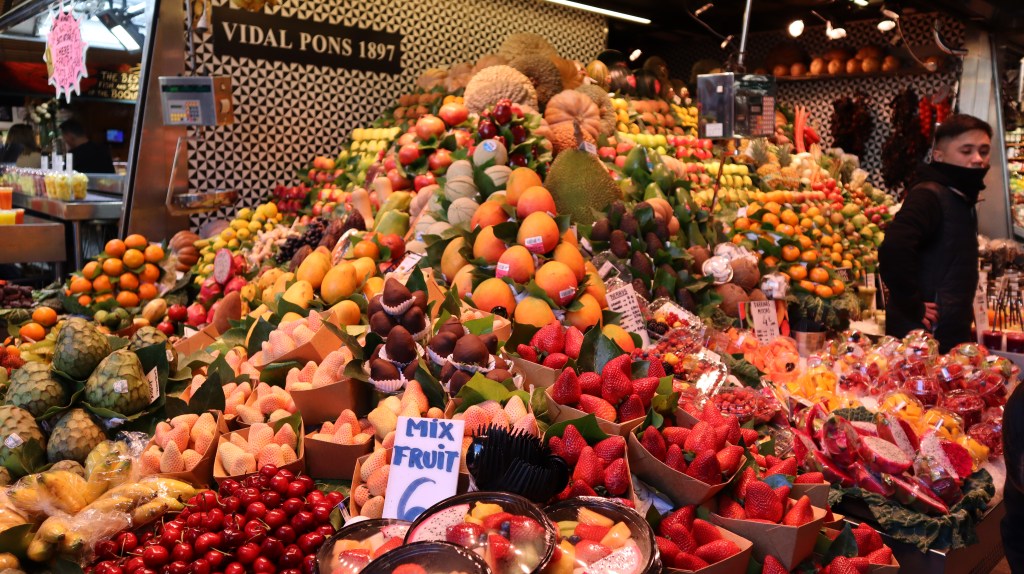
Mercado de La Boqueria fruit
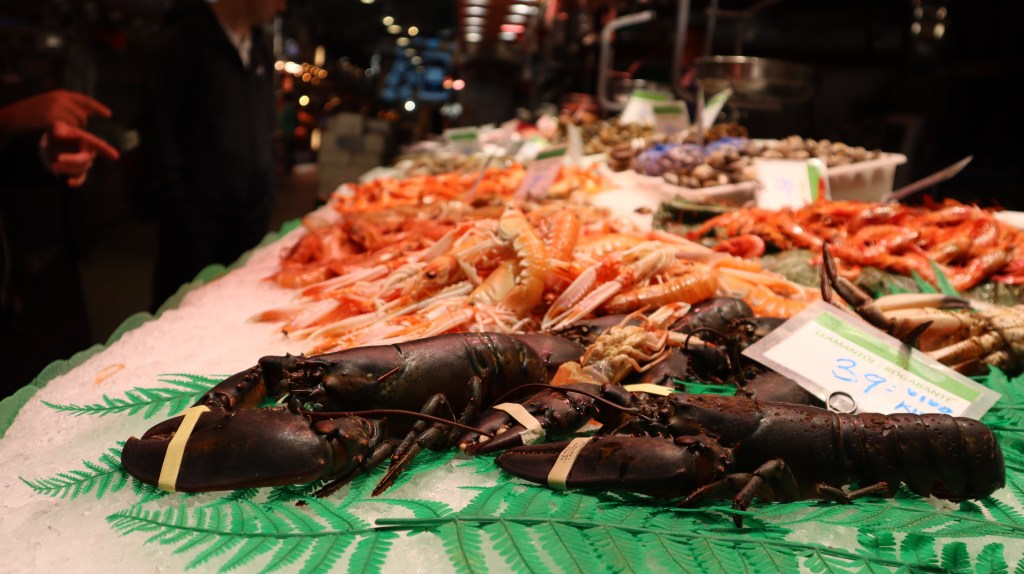
Mercado de La Boqueria seafood

This one is for my foodies – whether you love fruit, sweets, fresh juice, or you want to try seafood, different types of meat and cheese – Mercado de La Boqueria is the place for you. At the market I got to try dragon fruit, fried squid, baby octopus, Jamon iberico and fresh oysters… I mean it when I say there is something for everyone!
The market can be easily accessed from its entrance on La Rambla (Barcelona’s main street), or you can take the L3 metro line to Liceu and walk to the market from there.

8. Columbus Monument and Barceloneta Beach

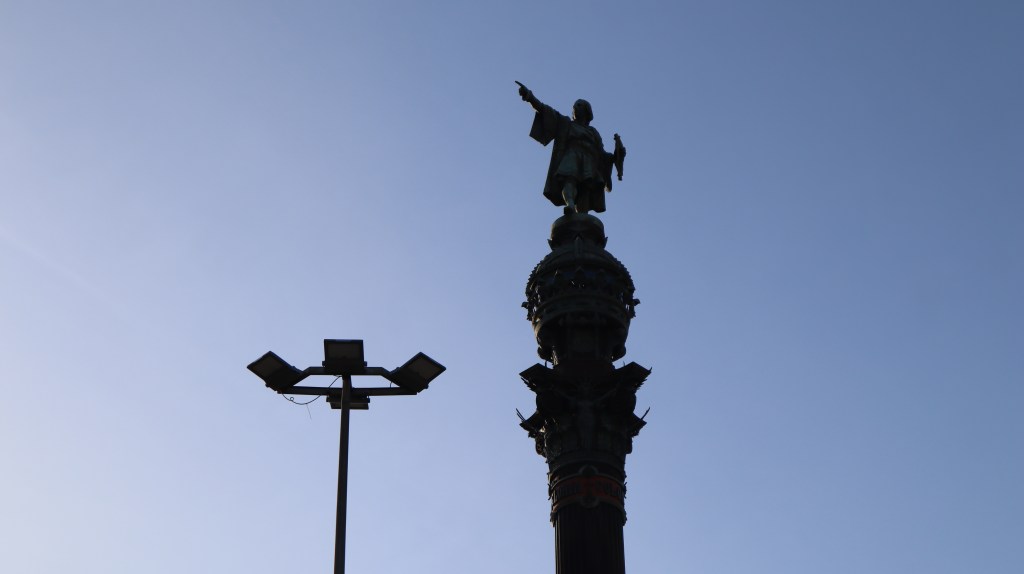
Columbus Monument
Barceloneta Beach

Standing tall at 60m at the lower end of La Rambla, the Columbus Monument is an emblematic landmark of Barcelona located right next to the port. The statue atop the tower depicts Christopher Columbus holding a scroll in his left arm with his right arm outstretched pointing towards the horizon. Inside the tower there is a small lift which takes you to the top of the monument where you can find a walk around viewing terrace. Interestingly, there are over 200 statues and busts of Columbus around the world, the majority of which located in the USA and across Latin America.

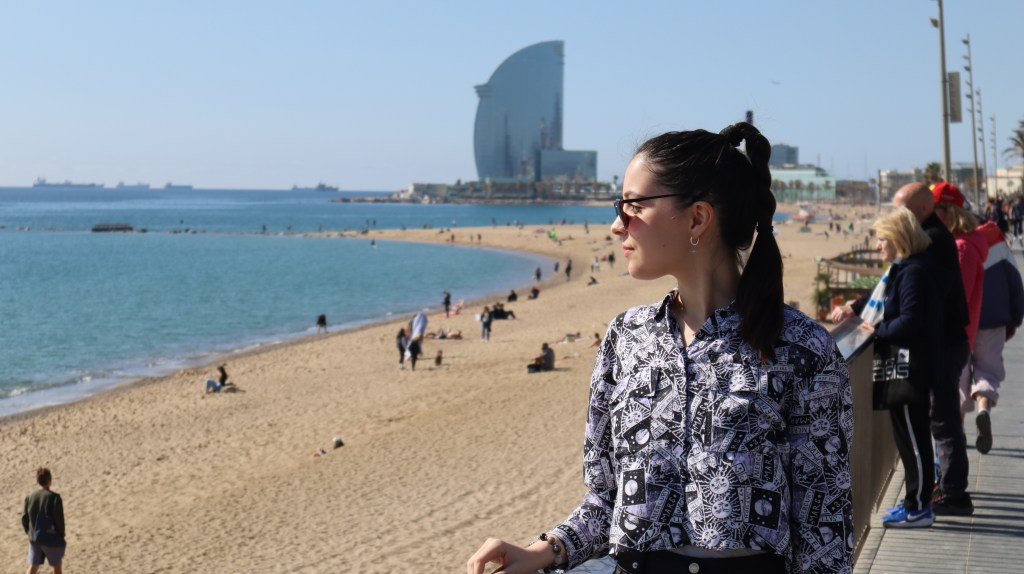
Situated in close proximity to the Columbus Monument is the 422m long Barceloneta Beach. It became a popular destination after the 1992 Olympics hosted in Barcelona and charmed the world with its dark blue waters and miles of golden sand. Barceloneta Beach offers plenty of activities for its visitors including beach volleyball, water sports and sunbathing.

9. National Art Museum of Catalonia

National Art Museum of Catalonia

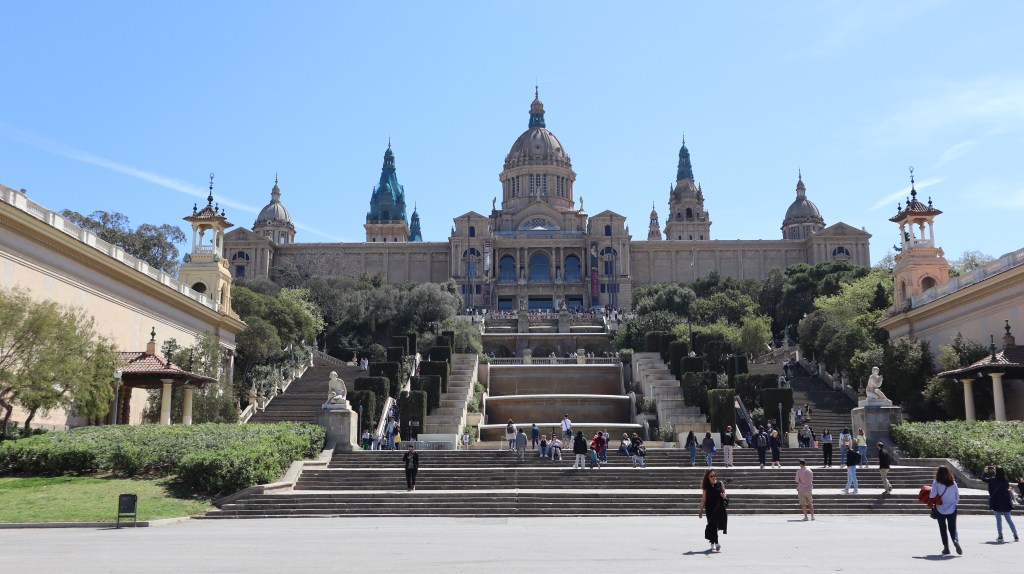
The Catalonian National Art Museum is located on top of Montjuïc Hill and houses Catalonia’s artistic and cultural heritage. Its rich collection contains Romanesque, Gothic, Renaissance, and Modernist pieces of art, telling the story of the region’s cultural identity. Some of the most famous and notable art pieces include: “Descent from the Cross” by Rogier van der Weyden, works by Gaudi, “Pantocrator” by Miguel Alcañiz, “Saint George and the Dragon” by Bernat Martorell.

Admission to the museum is free every Saturday after 3pm and every first Sunday of each month, however I advise you to book your tickets in advance if you want to take advantage of this offer.

10. Pincho J

Pincho J
Barcelona pincho place

Last but not least, I’ve included a popular pincho place that has alternatives for meat lovers and vegetarians. There’s plenty of restaurants in Barcelona that offer paellas and tapas, but have you tried pinchos before?

Whereas tapas typically resemble smaller versions of larger meals, pinchos are small bite-sized snacks comprised of various ingredients held together by a toothpick and presented on a piece of bread. Pincho J offers a variety of vegetarian, pescatarian and meaty pinchos as well as Spanish beer and sangria. All pincho dishes are displayed next to the bar and have a number corresponding to them. After being seated you are given a piece of paper and a pen to write down the different pinchos and the quantities you’d like to order. It’s as simple as that and the service is super quick as the kitchen prepares fresh pinchos every couple of minutes! It’s so good even the locals love it!


If I had to capture Barcelona’s essence in just a few words I would say: charming, colourful and full of life. Its Mediterranean charm, rich history and flavourful food attract millions every year and if you’re lucky enough, you might catch some authentic flamenco performances in some of the secret bars around the city.

Let me know your favourite spot from this list and what other places I should be visiting next.

Day Trip to Newcastle

Situated in North East England just a few kilometres away from the North Sea, Newcastle has a diverse architectural history combining several historical periods. It’s home to the prestigious Newcastle University as well as many spectacular landmarks and attractions.

Although a day is never enough to truly experience the atmosphere of any city, below is a list of ten places to visit in Newcastle if you’re headed there on a day trip.

1. Newcastle Cathedral

📍 St. Nicholas Sq, Newcastle upon Tyne NE1 1PF

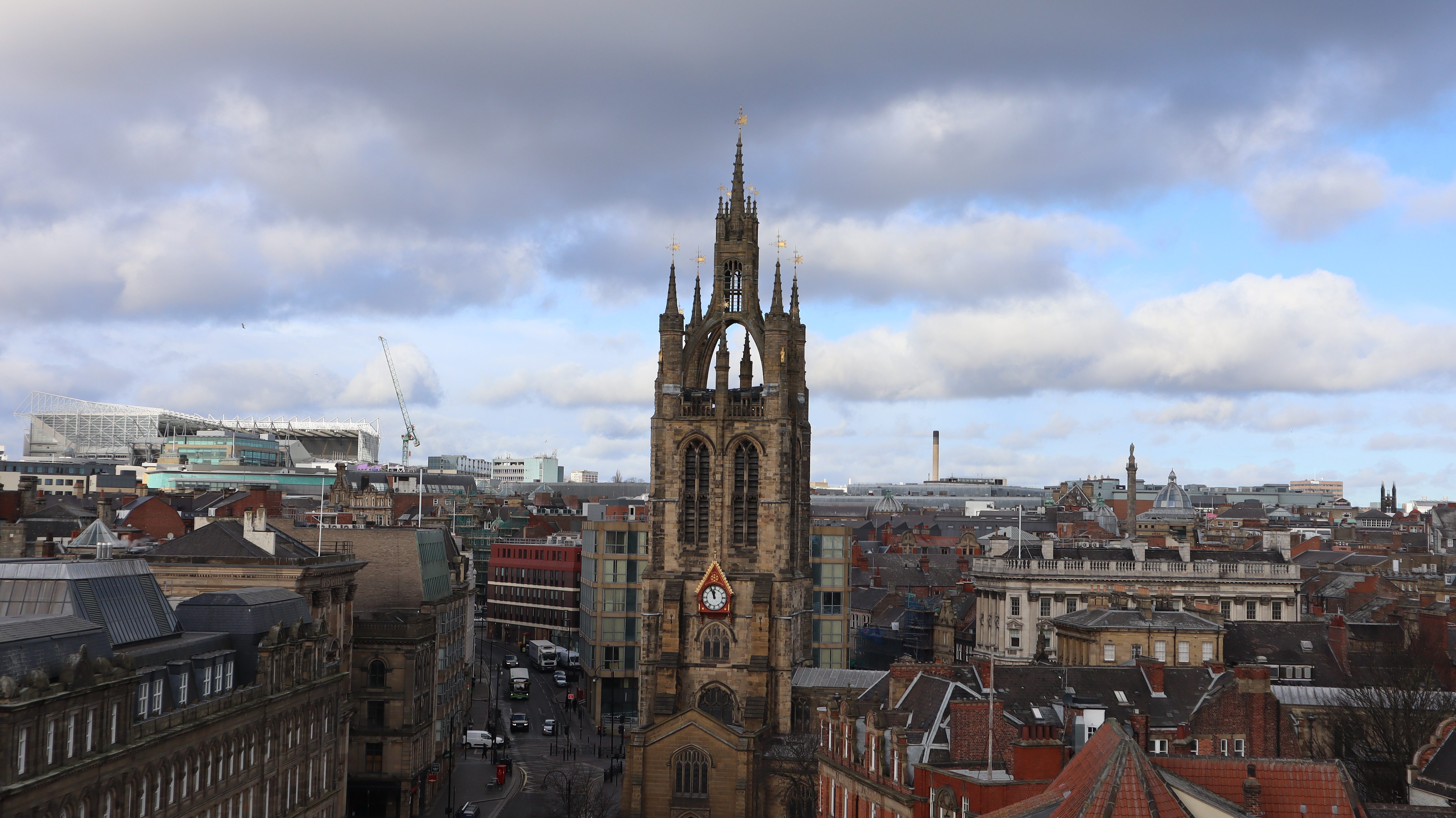
Newcastle Cathedral is one of the first landmarks you will see if you’re travelling to the city by train. It’s located at the heart of Newcastle and is also known as the Cathedral Church of St. Nicholas. Inside you can see marble monuments, carved glass, nave furnishings and memorials from the 13th century onwards. The cathedral is free to enter and open every day of the week so it’s worth adding to your to-do list if you’re passing by it.

2. Newcastle Castle

📍 The Black Gate, Castle Garth, Newcastle upon Tyne NE1 1RQ

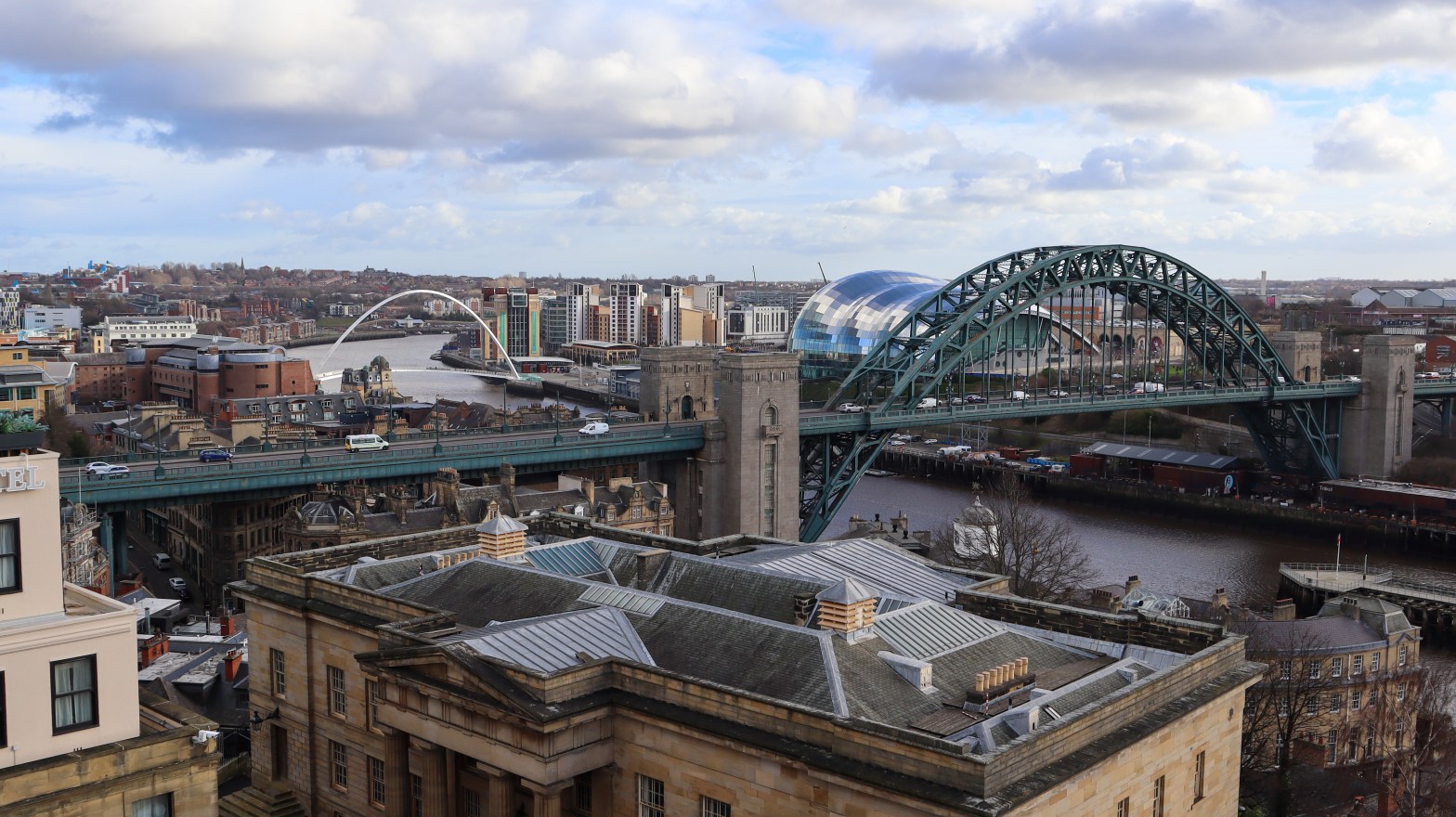
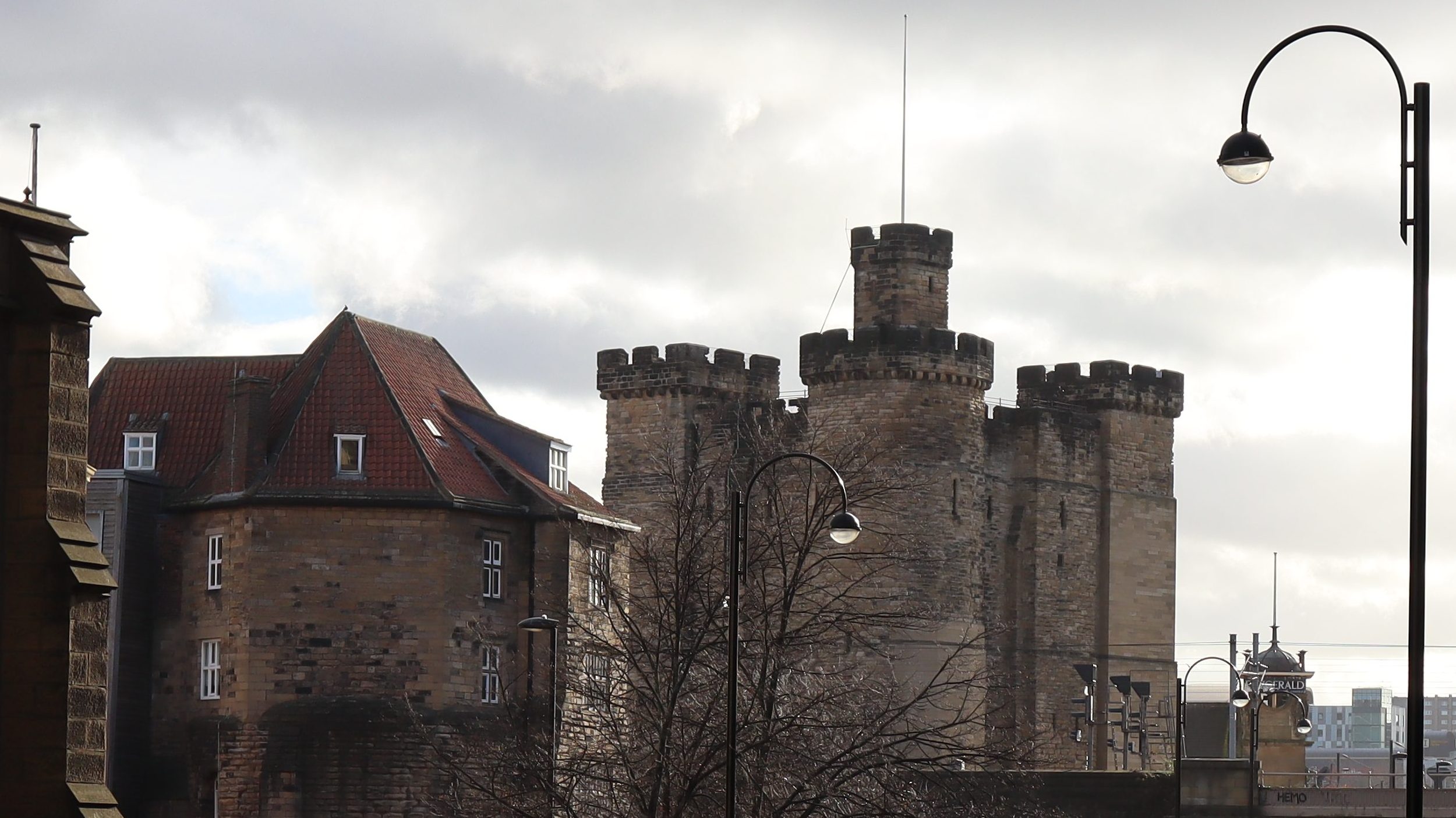
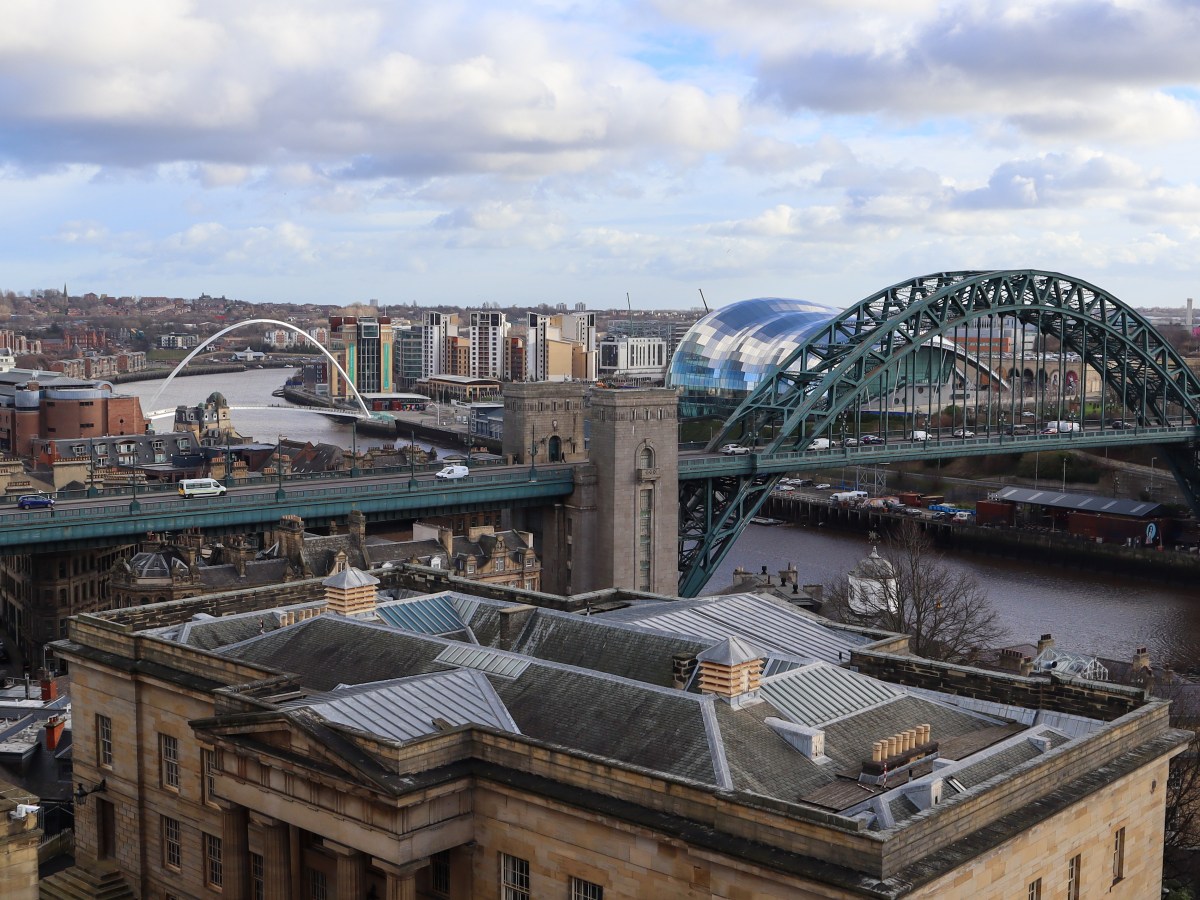
Hands down one of the best spots for panoramic shots of the city is Newcastle Castle. The Norman castle is only a minute or two away from the cathedral and showcases the rich history of Newcastle and the story behind its name. As part of your entry ticket you can take the stairs up to the tower where you can enjoy a 360° view of the city looking at Newcastle Cathedral, Sage Gateshead as well as the three famous bridges – Swing, Tyne and Millennium.

If you’re planning to pay a visit to the castle, keep in mind that it’s open every day of the week except for Tuesdays and Wednesdays. You can buy tickets either online or when you arrive at the site.

3. Swing Bridge

📍 10A Bridge St, Newcastle upon Tyne, Gateshead NE8 2BH

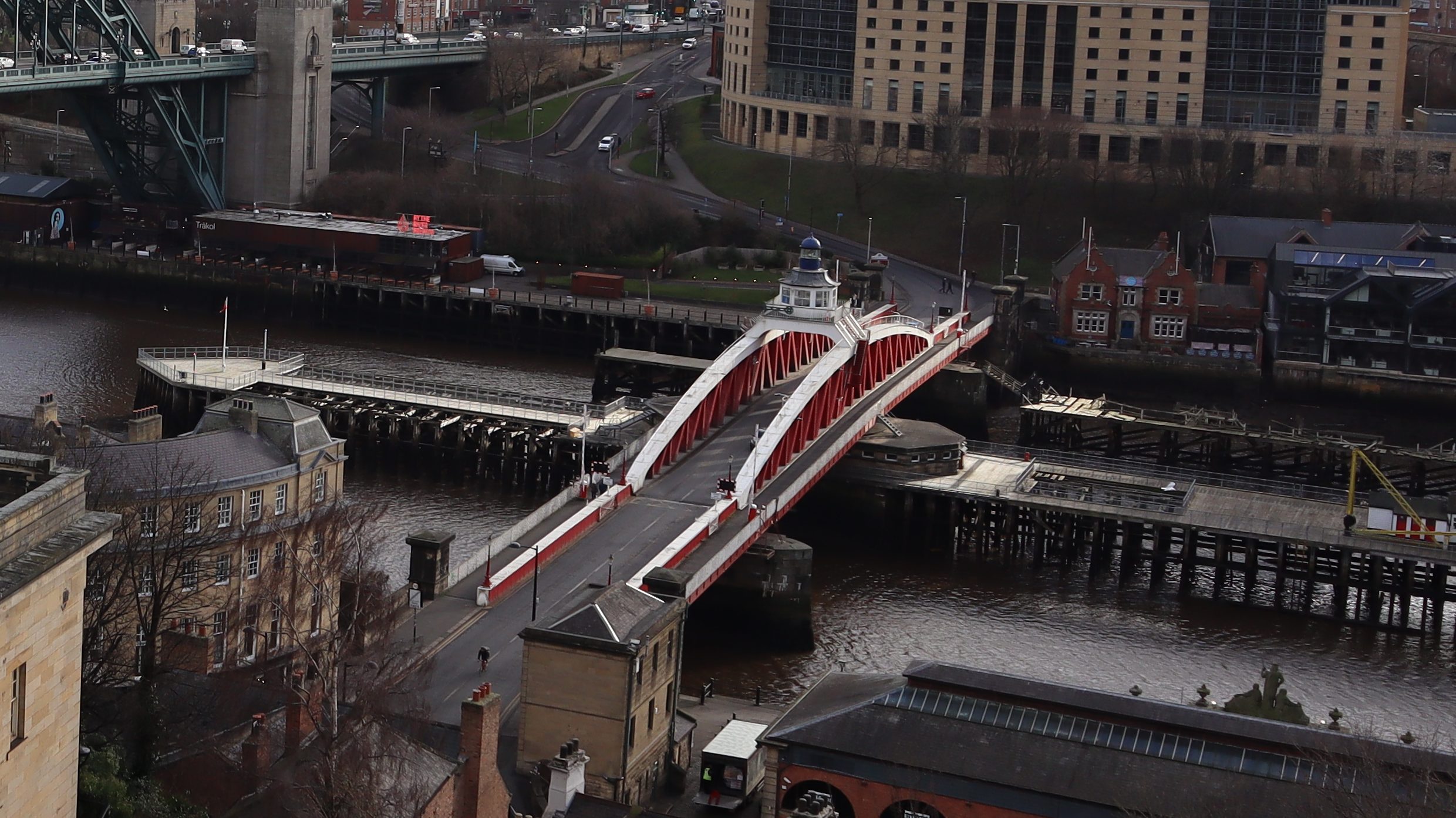
Bridge #1 of the iconic Newcastle bridges is the Swing Bridge. Its construction was finalised in 1876 when the bridge began facilitating both road and river traffic.

Nowadays the Swing Bridge is only rotated in cases when larger yachts need to pass by or when it’s undergoing a monthly maintenance check.

4. Tyne Bridge

📍 A167, Newcastle upon Tyne

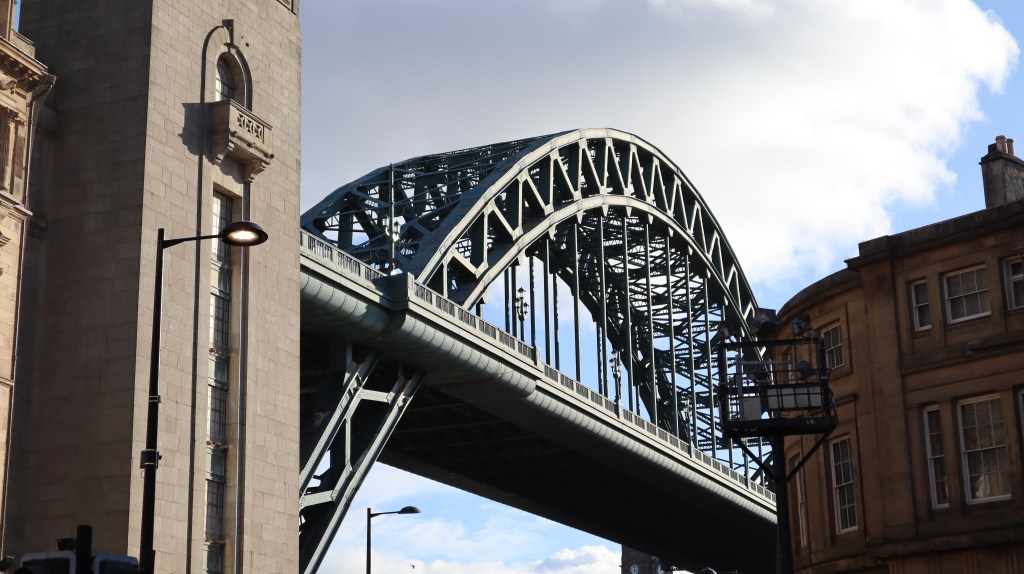
Bridge #2 is Tyne Bridge and probably my favourite because of its architectural design as well as the view it offers. Standing nearly 60m tall, the Tyne Bridge is the largest single-span steel arch bridge on the British Isles. Strolling across it is a must!

5. Gateshead Millennium Bridge

📍 S Shore Rd, Gateshead NE8 3BA

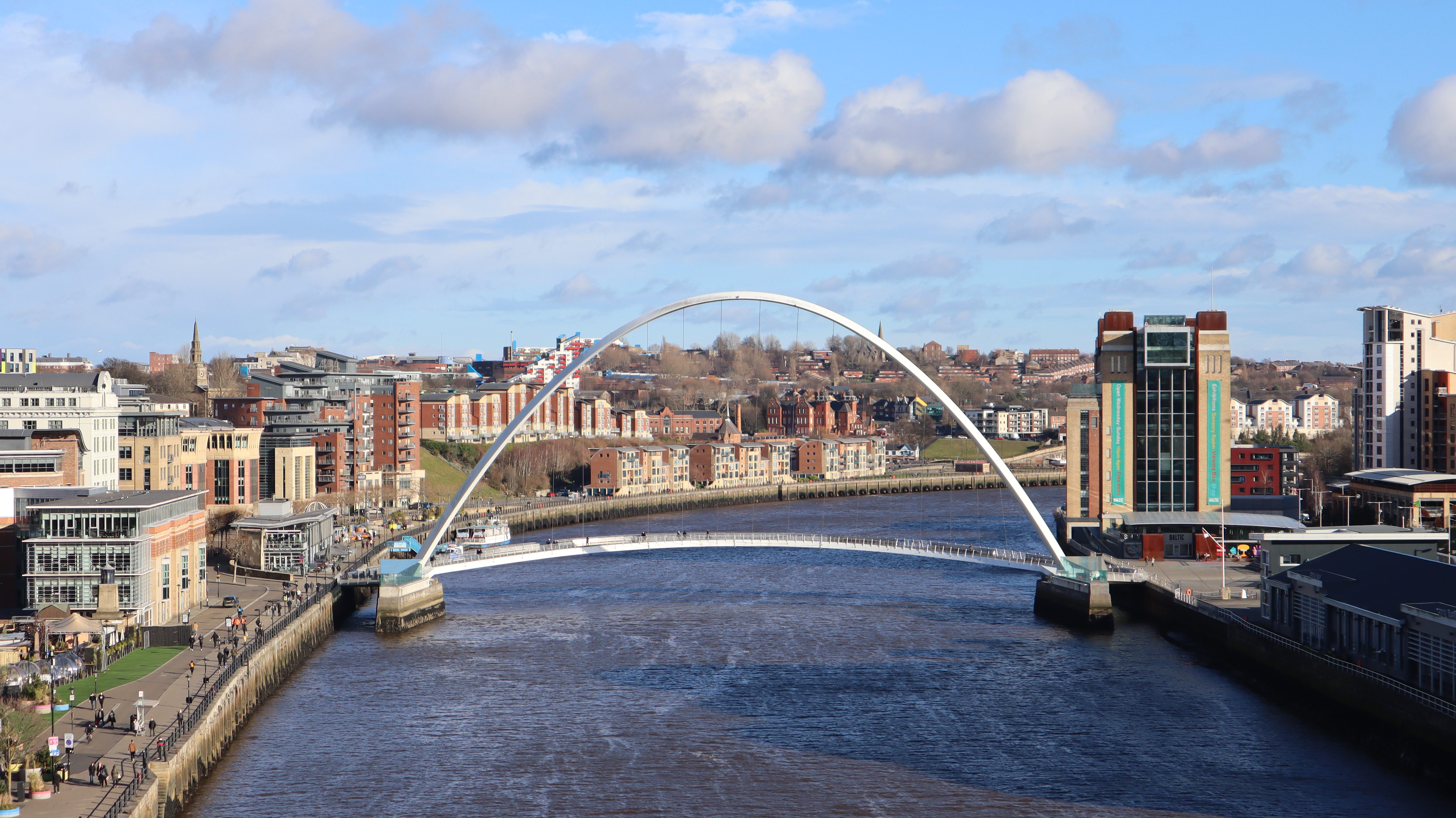
Bridge #3 is Gateshead Millennium Bridge and another one of my favourites. It connects Quayside with the arts quarter of Gateshead and is solely for pedestrians and cyclists. It’s also the world’s first tilting bridge which means that it rotates about fixed endpoints instead of bending or lifting. It’s something that you need to see with your own eyes to comprehend how impressive the construction is!

6. Sage Gateshead

📍 Sage, St Mary’s Square, Gateshead NE8 2JR

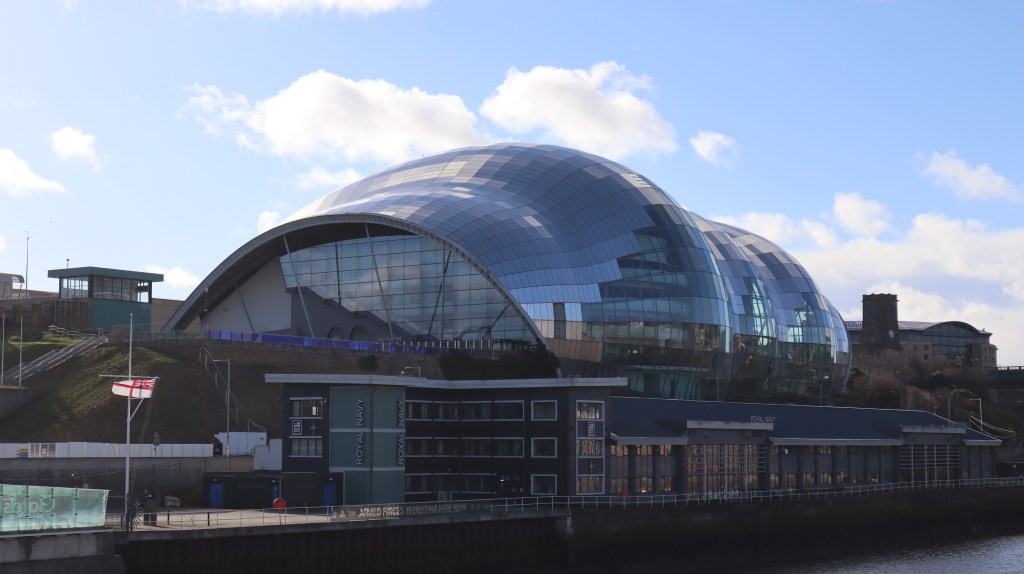
Sage Gateshead is a key cultural centre of the North and a well-known concert venue on the south bank of the River Tyne. I was astonished by the design and curved glass structure of the building which can be recognised from afar and photographed from the top of Newcastle Castle and the Tyne Bridge.

To get to Sage Gateshead you can either pass through the Tyne Bridge or walk along Quayside until you get to Gateshead Millennium Bridge.

7. Laing Art Gallery

📍 New Bridge St W, Newcastle upon Tyne NE1 8AG

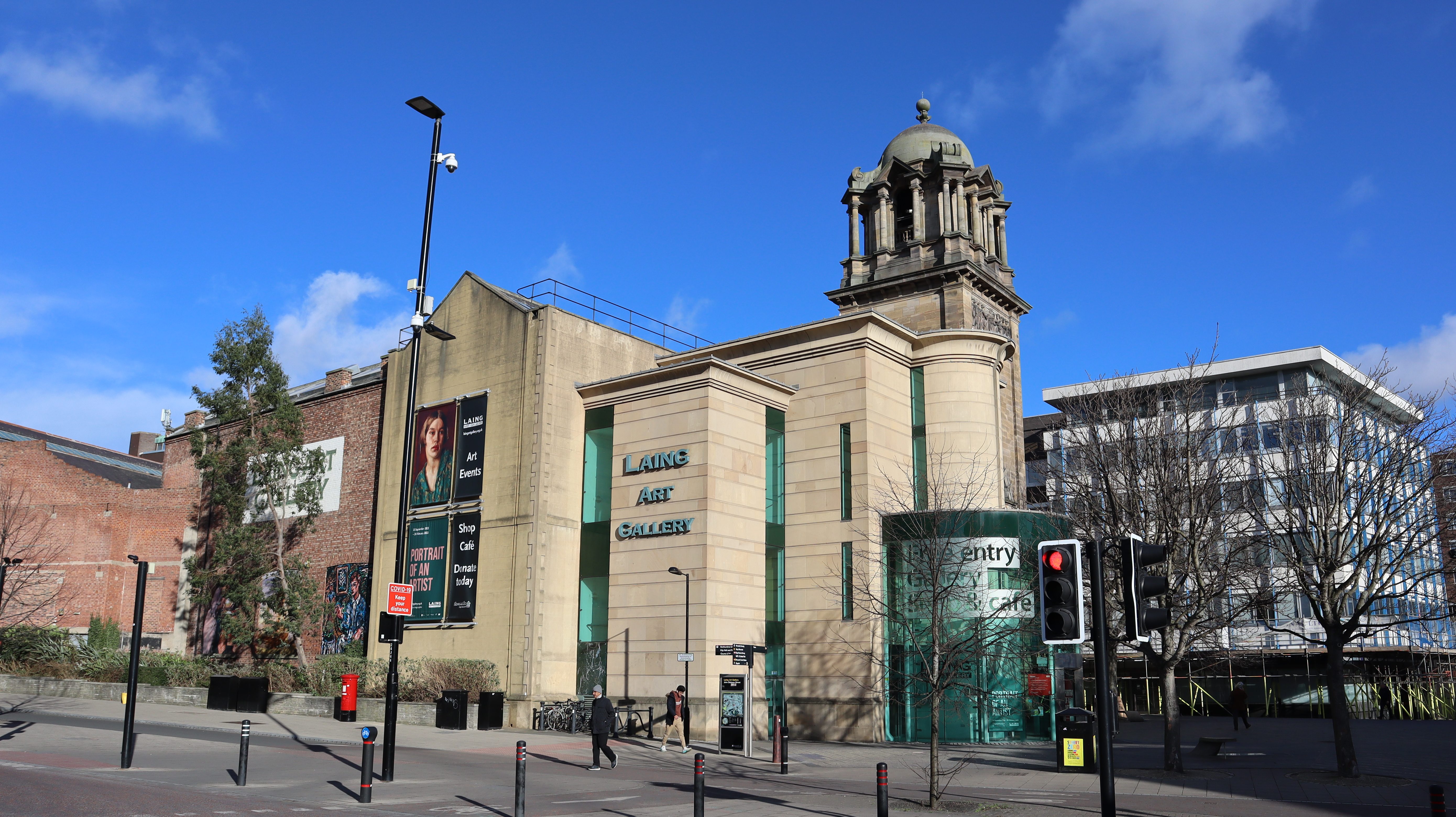
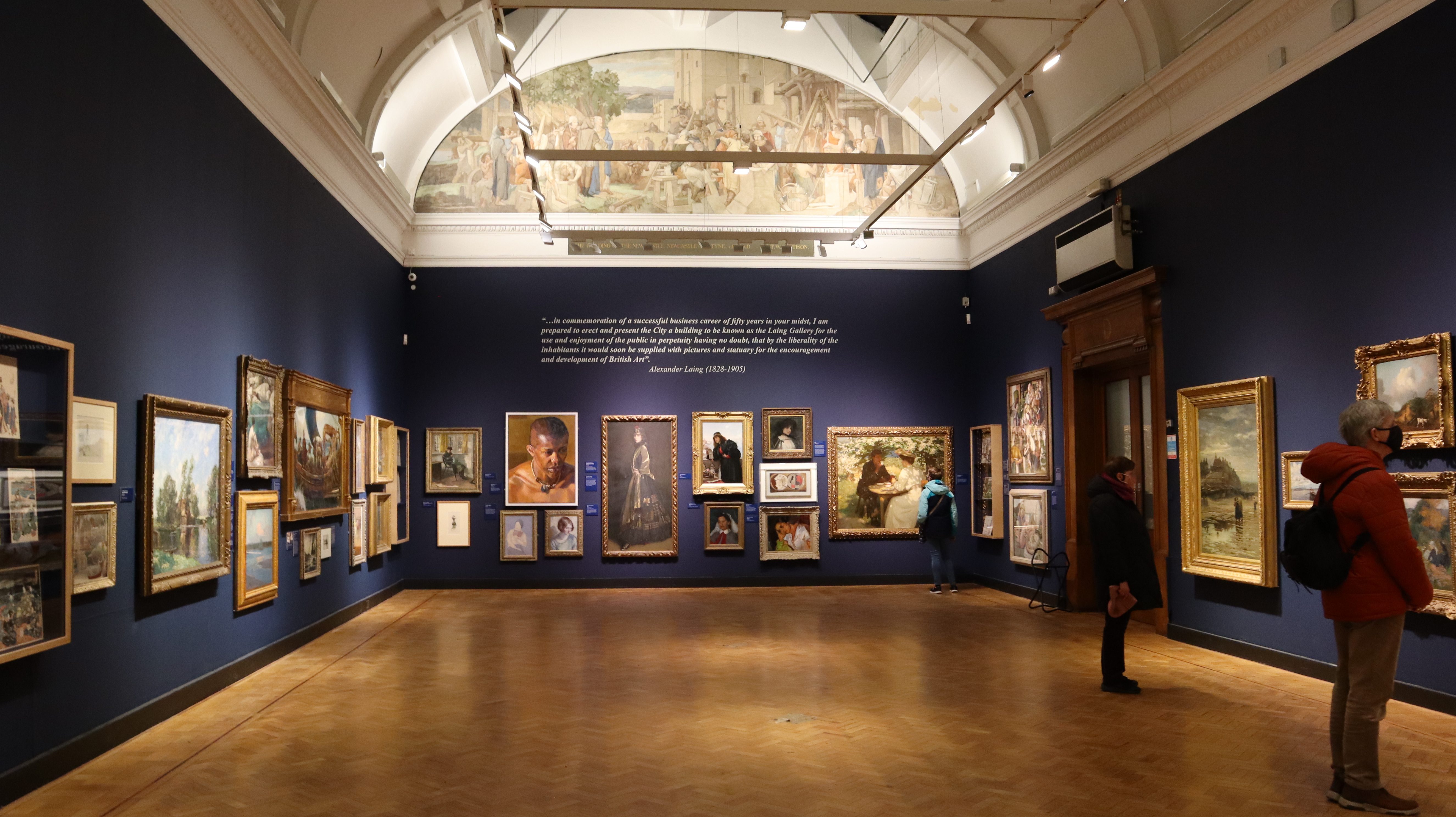
Like most cultural facilities in the UK, the Laing Art Gallery is free to enter and exhibits paintings, watercolours and historical objects. In there you can see John Martin’s striking painting The Destruction of Sodom and Gomorrah. The gallery is open every day except for Sundays and Bank Holidays between 10 am and 4:30 pm and you don’t need to book your visit in advance so you can pop in at any point during your stay in Newcastle.

8. Grey’s Monument & Grey Street

📍 150 Grainger St, Newcastle upon Tyne NE1 5AF

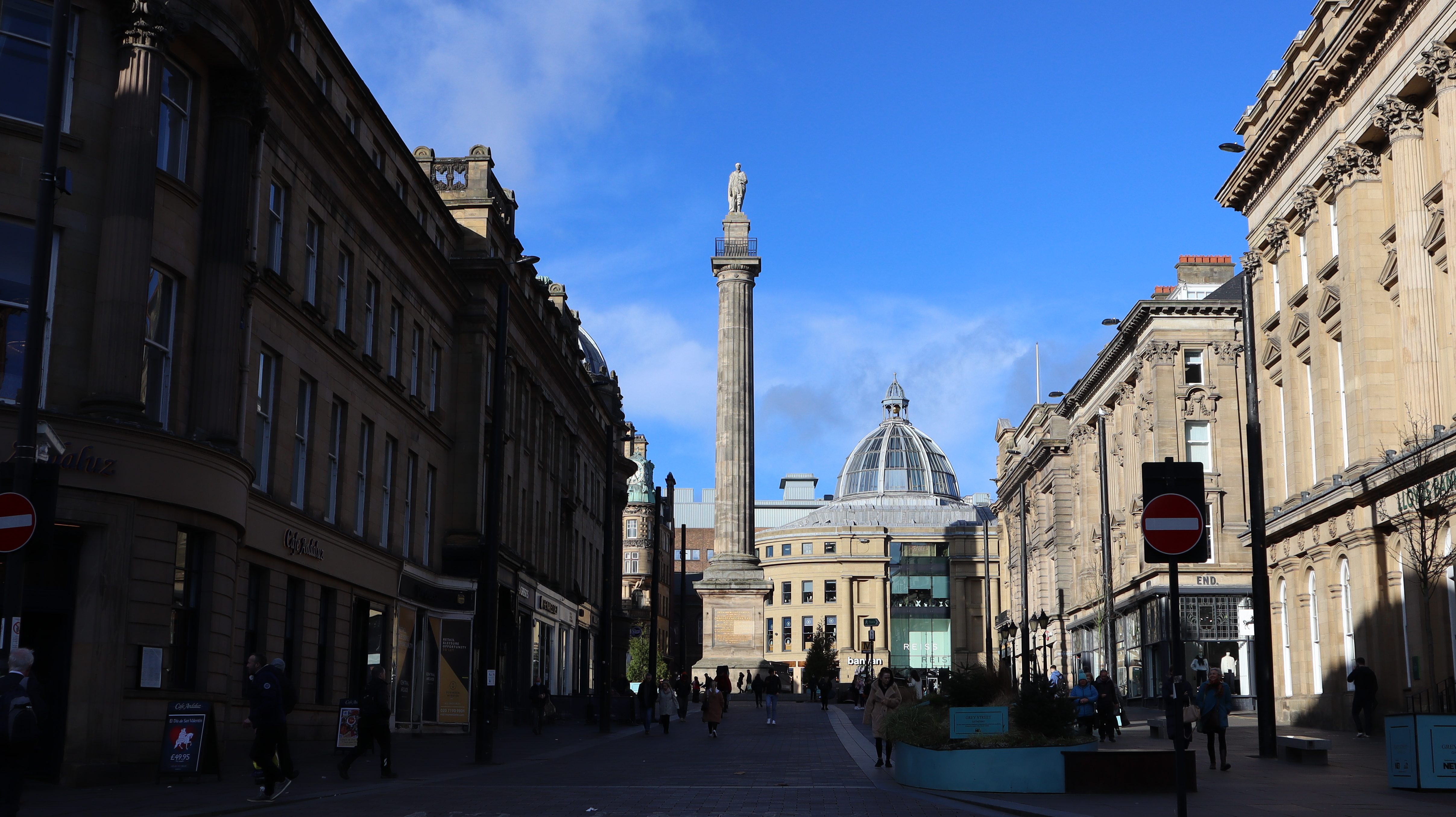
Grey’s Monument was built in 1838 in commemoration of Earl Grey, British Prime Minister between 1830 and 1834. The monument is one of Newcastle’s most famous landmarks and is easy to spot standing at 134ft tall. An interesting fact about its foundation stone is that there is a time capsule buried beneath it containing a drawing of the monument, a list of subscribers to its erection and a collection of coins, medals and tokens.

On the other hand, Grey Street links Quayside and Newcastle’s main shopping area. Along the street, you can find cafes, restaurants and shops as well as Theatre Royal, the North East’s finest and most historic theatre.

9. Grainger Market

📍 Grainger St, Newcastle upon Tyne NE1 5QQ

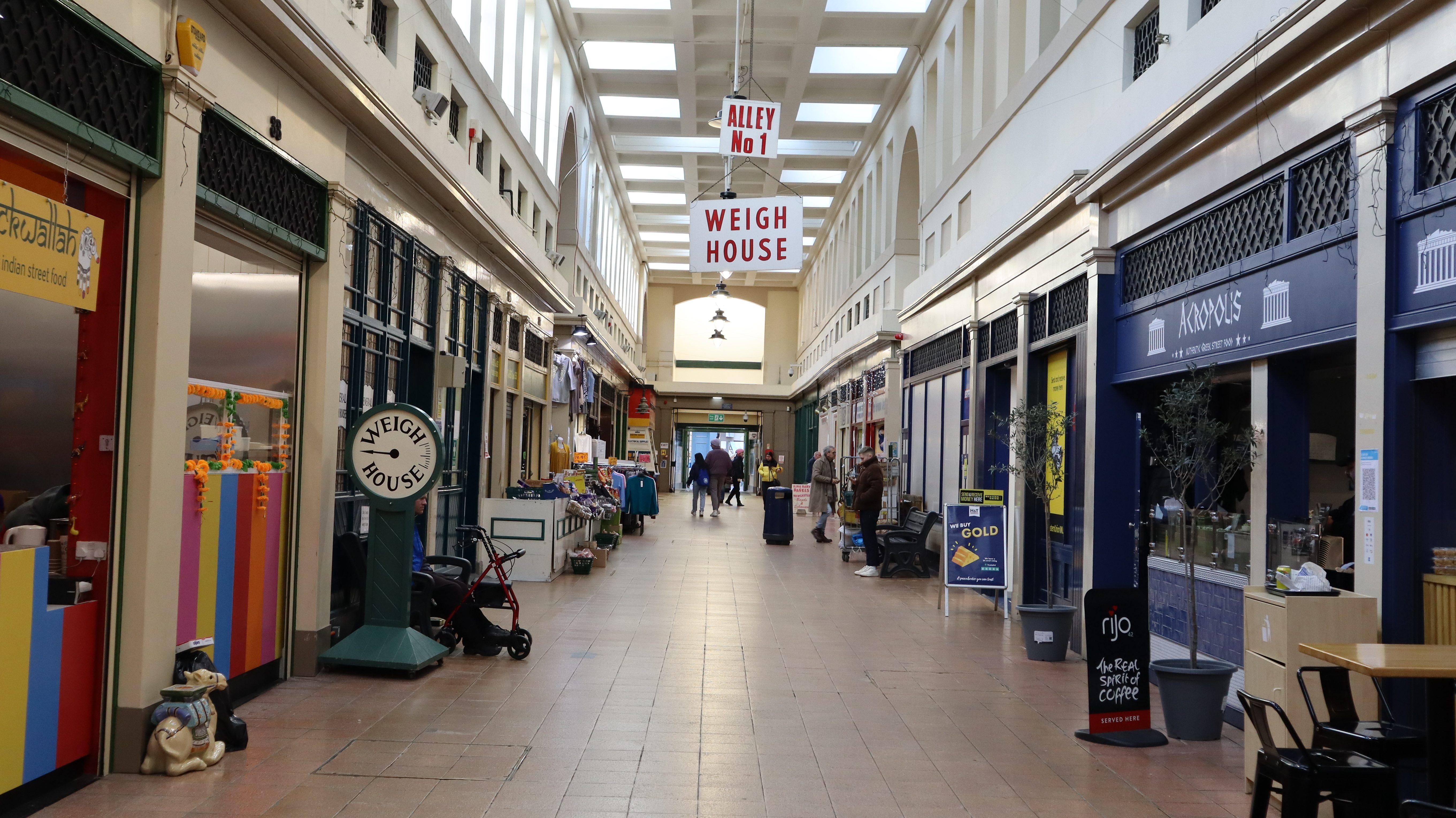
Grainger Market is an indoor market with vintage boutiques, small shops and food stalls offering anything from bread and cakes to Greek street food and delicious pizza. It’s home to the smallest M&S branch also known as Marks and Spencer’s Original Penny Bazaar.

You can visit the market any time of the week between 9 am and 5:30 pm except for Sundays when the market is shut.

10. Newcastle University

📍 Newcastle upon Tyne NE1 7RU

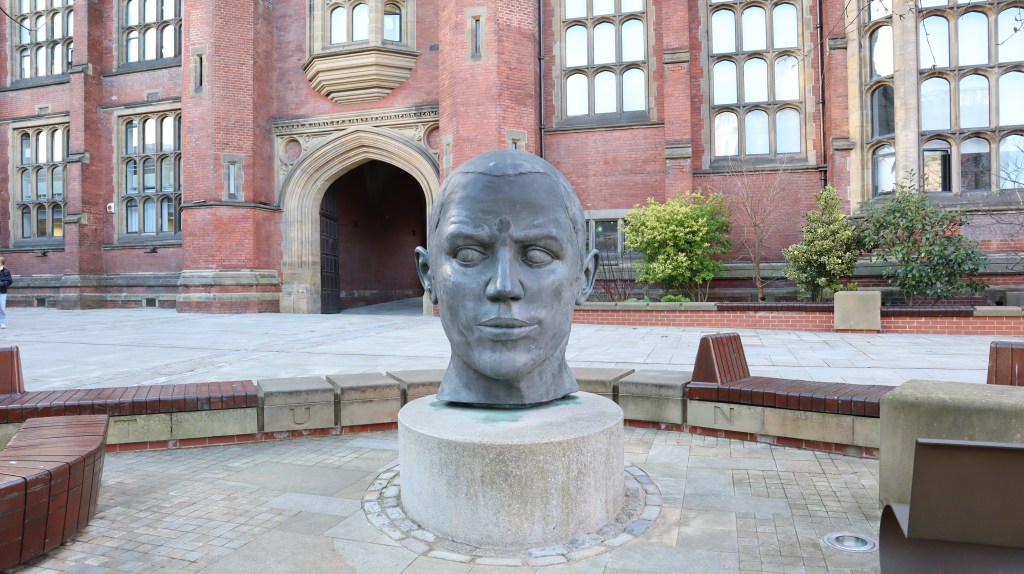
Although Newcastle University is technically not a landmark, its campus has beautiful art installations and teaching facilities. I was especially eager to check out the campus because I was accepted into the university a couple of years ago but it ended up being my second choice after Leeds University.

Seeing Newcastle University’s teaching spaces made me realise that even if I hadn’t chosen to study in Leeds, I would have still enjoyed my life in Newcastle. The city is very welcoming and has plenty to offer to people of all backgrounds.


Check out other popular destinations across the UK:

Spend a Day in Blackpool
5 Things to do in Brighton
A Sunny Sunday in Oxford
Free Things to do in London

Spend a Day in Blackpool

Located on the Irish Sea coast of England in the county of Lancashire, Blackpool is one of the most popular UK seaside resorts.

It’s easily accessible via coach and train and a perfect quick getaway spot if you’re based in the North. So why not go for a change of scenery and visit this magical place?

Without further ado, I’ve written down a summary of all the best spots in Blackpool to add to your to-do list. 👇

1. Grundy Art Gallery

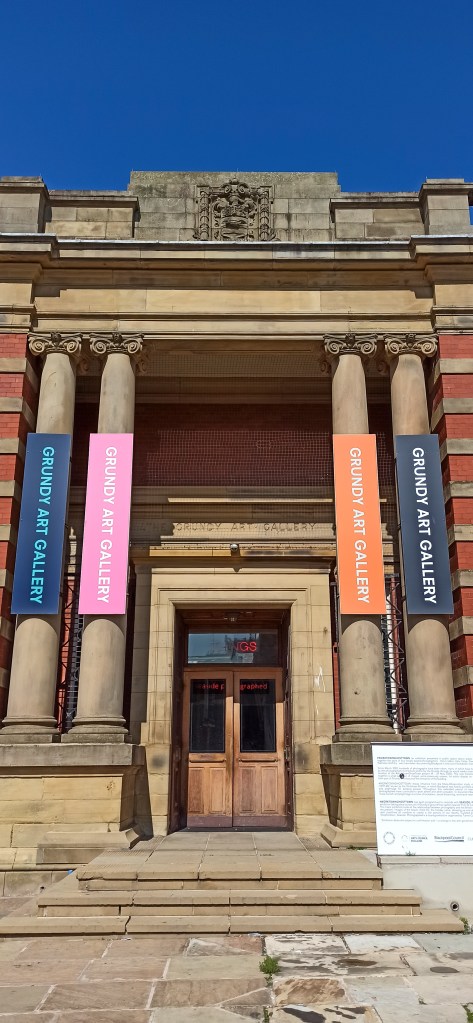
The Grundy Art Gallery is only a four-minute walk from Blackpool North Station and less than ten minutes away from the North Pier.

As part of the permanent collection of the gallery, you can find modern paintings, historic photographs and objects, jewellery, ceramics, souvenirs of Blackpool, and more. There are also contemporary visual art exhibitions featured in the gallery’s seasonal programme which can be found on their website here.

Entry is free but make sure you check out the opening times before visiting to avoid disappointment.

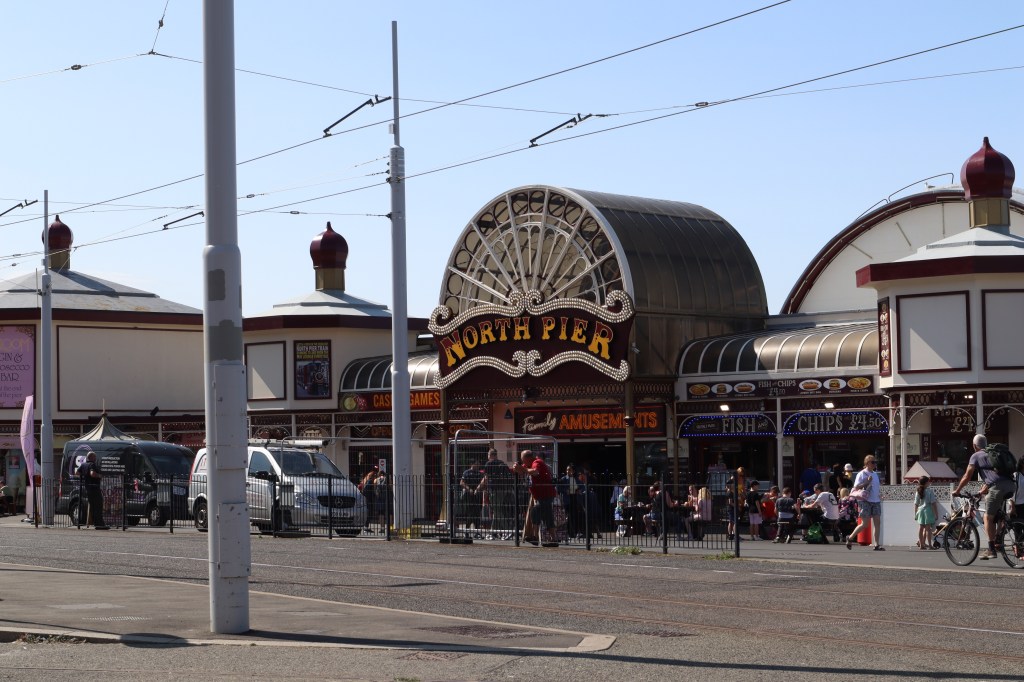
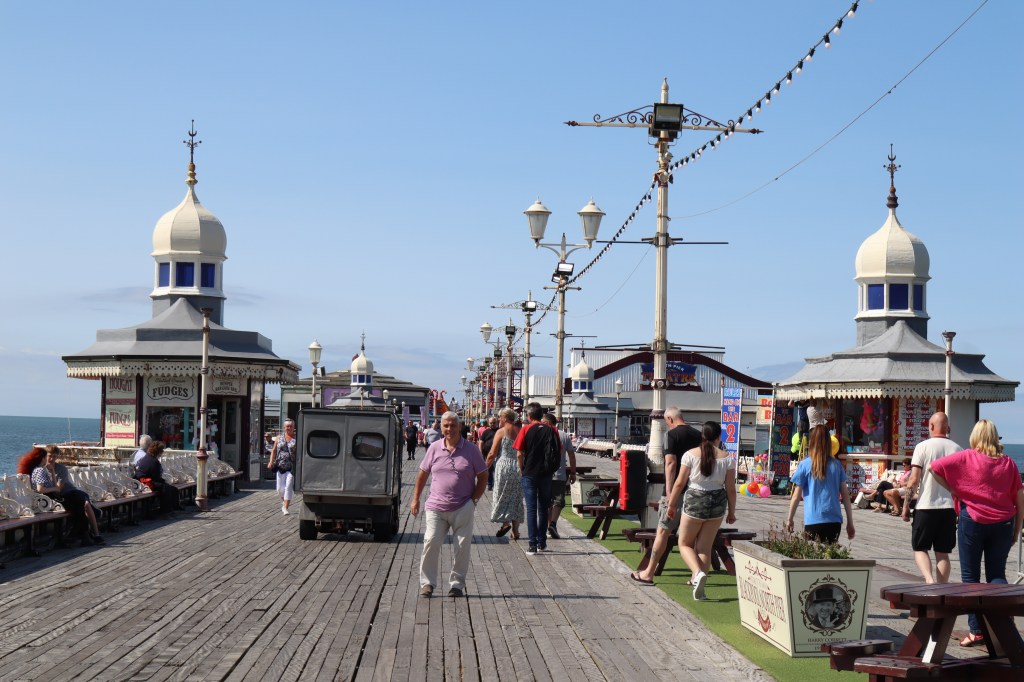
2. North Pier

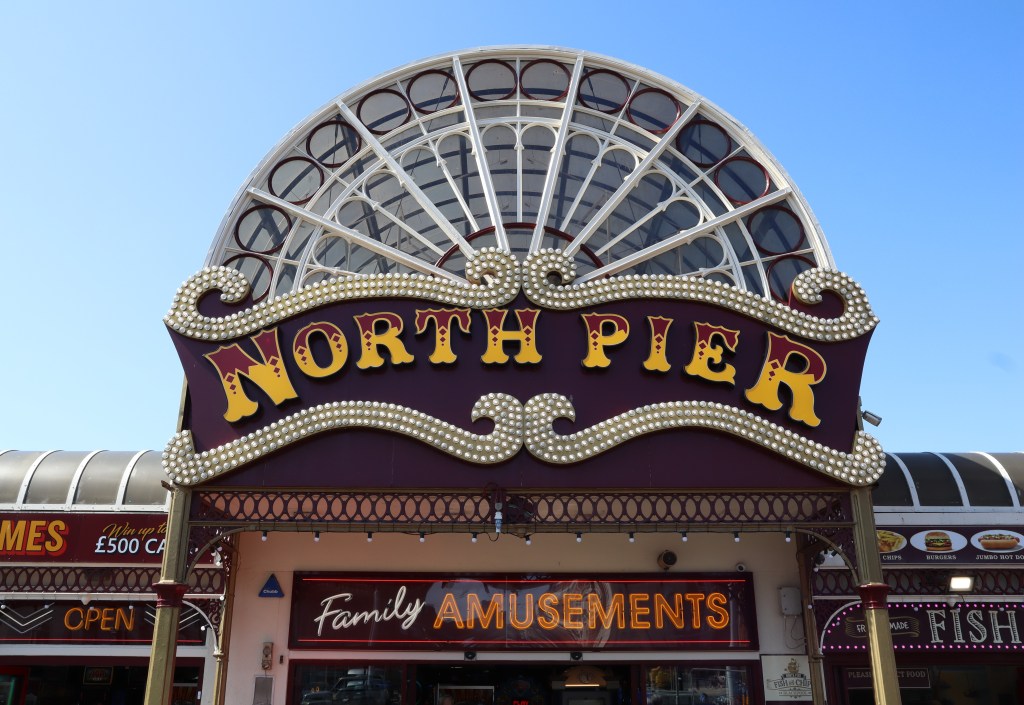
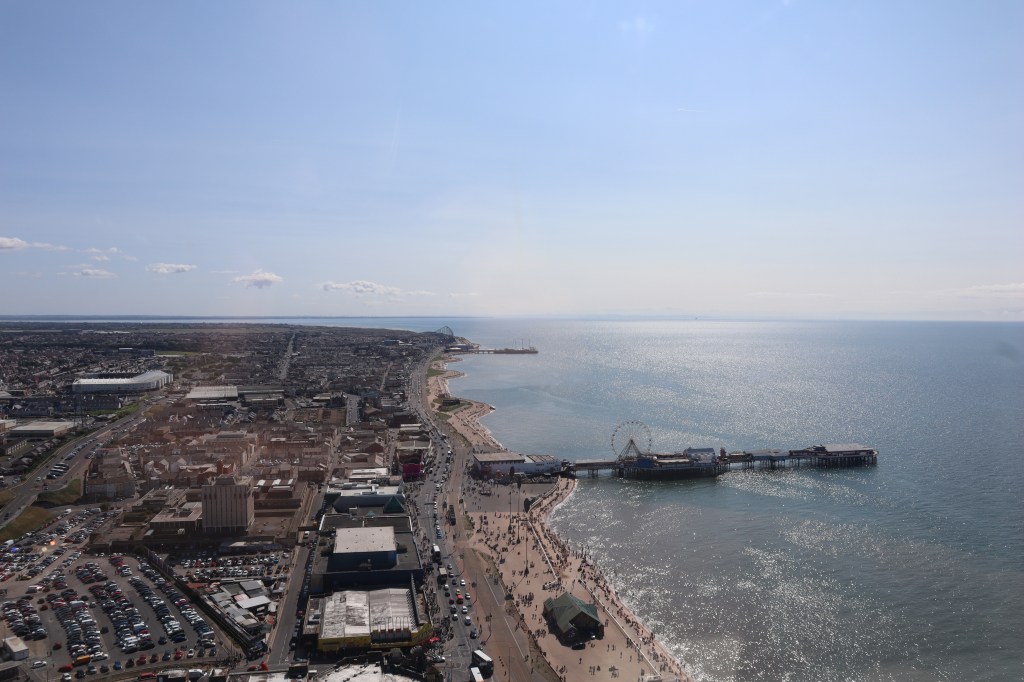
Built over 150 years ago, the North Pier is the oldest and longest (500m) out of the three famous Blackpool piers.

When I first saw the place I immediately felt like I had time-traveled to the past. Although it had some modern elements to it as well as luxurious bars, I could still feel the Victorian charm and atmosphere all around me.

Open 24h a day, the North Pier offers something for everyone – from arcades and amusement rides to food and beverages.

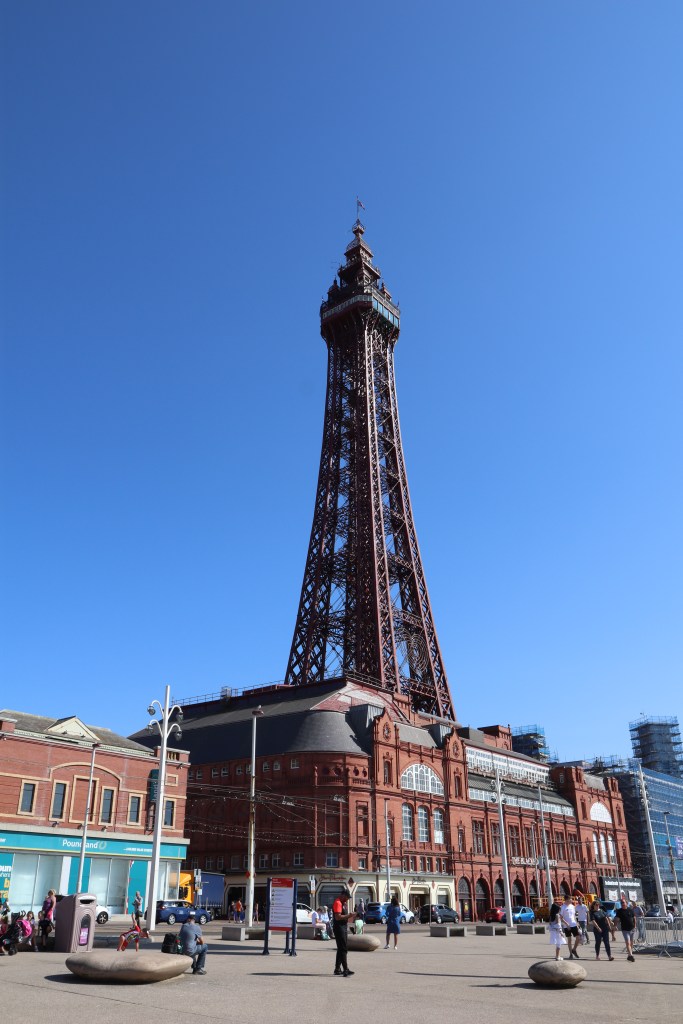
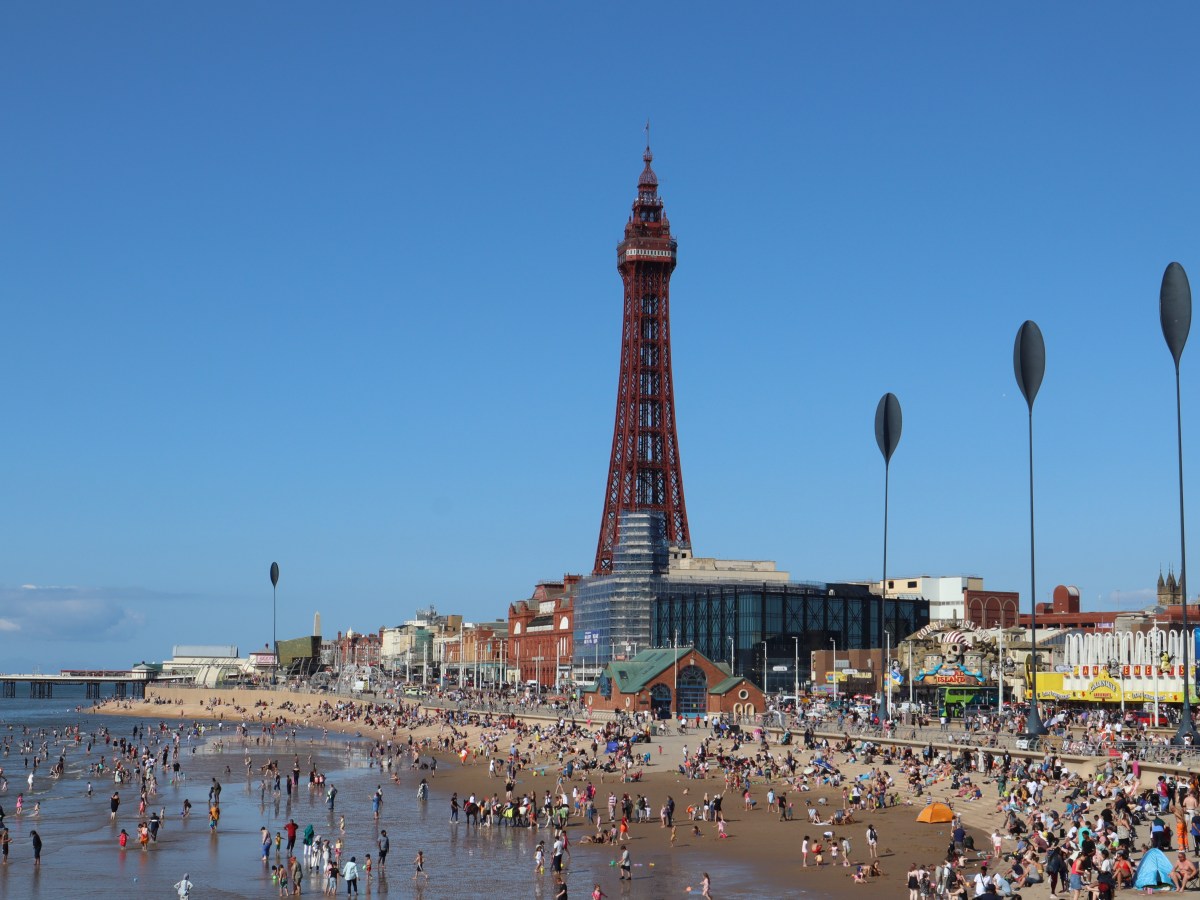
3. Blackpool Tower

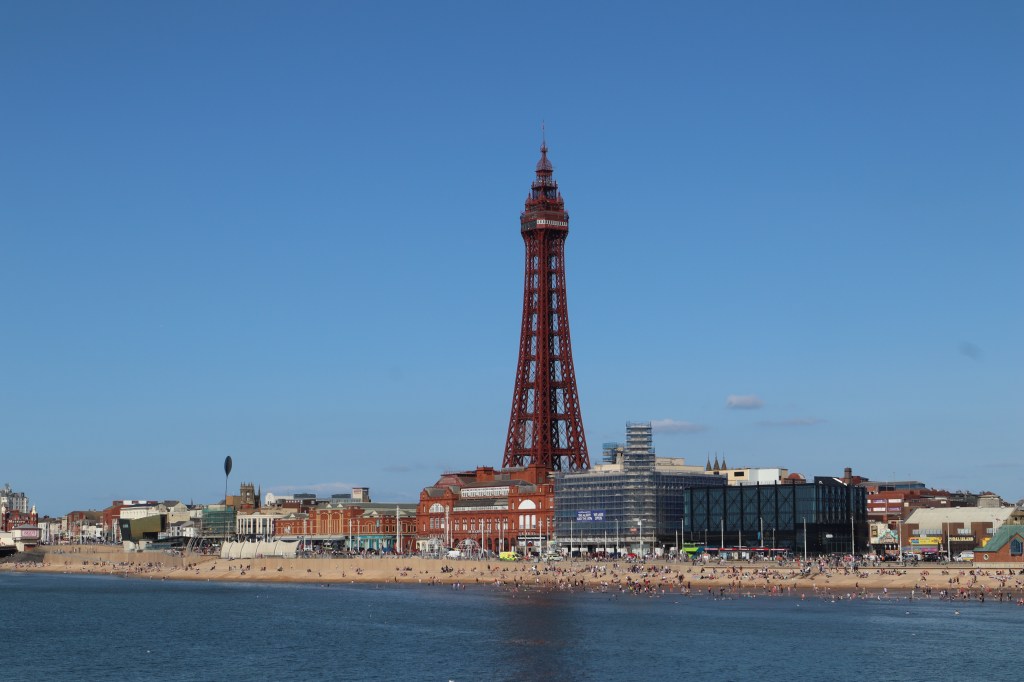
At a height of 518ft (158m), the Blackpool Tower is the most iconic and distinctive attraction at the resort. Its construction lasted approximately 3 years from 1891 to 1894 when it opened its doors to the public.

The building of the tower has several attractions including Blackpool Tower Eye, Blackpool Tower Circus, Blackpool Tower Dungeon, and Blackpool Tower Ballroom. Tickets are sold individually or in combination with other attractions in Blackpool such as Madame Tussauds and SEA LIFE.

I bought a standard ticket to the Blackpool Tower Eye which featured a short 4D Cinema Experience and I absolutely loved it. The top of the tower gives you a breathtaking 360° view of the resort and is a must for photography enthusiasts and specialists.

Make sure you allocate enough time for your visit to the tower as lines for the elevators and the cinema can get quite long. You also wouldn’t want to rush taking a good look at Blackpool from all angles and taking the perfect pictures.

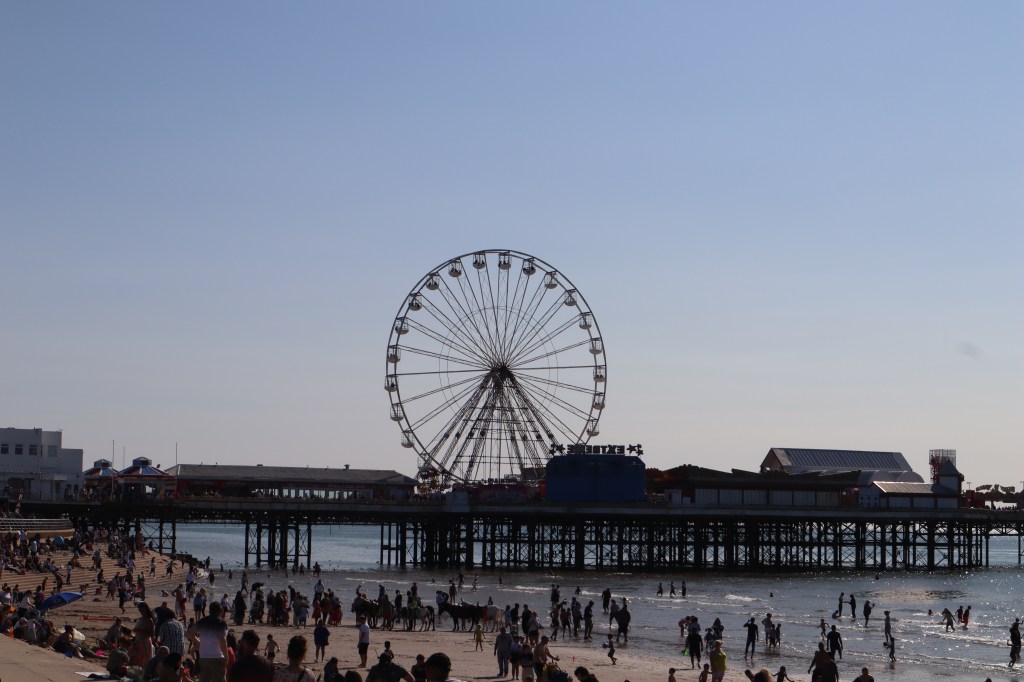
4. Central Pier

Pier Number two is Blackpool’s Central Pier, constructed in 1868 with a length of 339m. It’s in close proximity to the Blackpool Tower and 10-15min away from the North Pier.

While the North Pier is orientated more towards people who are looking for a relaxing spot with a nice view, the Central Pier’s emphasis is on the fun. As well as arcades, bars, and food stalls, the Central Pier has a giant Ferris wheel, a portrait studio, and a big entertainment centre.

This place is ideal for families with kids or anyone who would enjoy an authentic Fun Fair experience.

5. South Pier & Pleasure Beach

And if the fun stuff at Central Pier is not enough and you’re looking for a thrill, then South Pier and Pleasure Beach are for you.

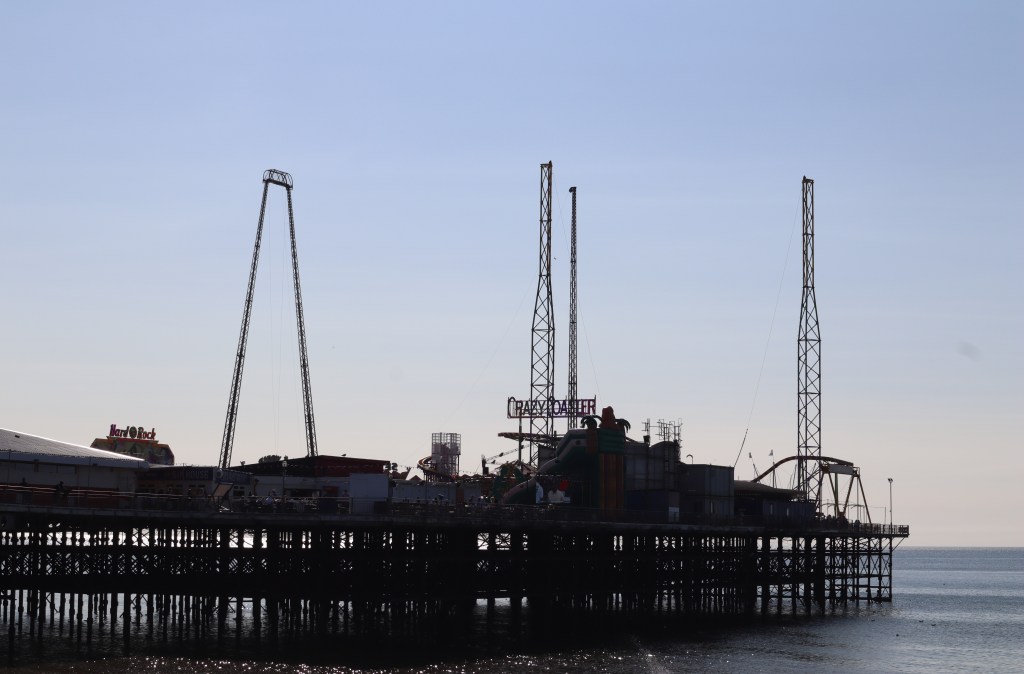
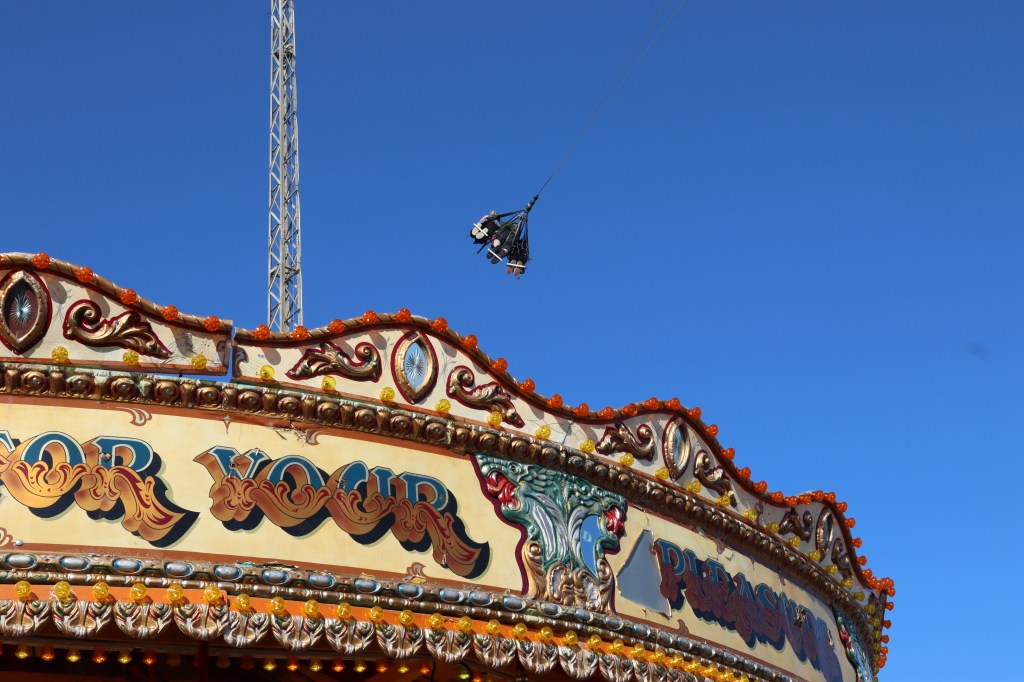
Blackpool’s South Pier is the shortest but widest of all three piers, accommodating a range of different pavilions and amusement rides such as Crazy Mouse, Waltzer, bumper cars, Reverse Bungee, Skyscreamer, and more.

Pleasure Beach is situated opposite Blackpool’s South Pier and is a ride-intensive amusement park. Unlike the amusement places at Blackpool’s piers, to enter Pleasure Beach you need to present a valid eTicket. To get the best deal on your tickets for the amusement park, I’d recommend booking them in advance through the official website. You might notice that entry tickets are typically cheaper on Sundays than on Saturdays.


Art galleries, 360° observation pods, amusement parks, beautiful piers – Blackpool has it all! And to make things even better, you can go anywhere on foot! Not only are attractions easily accessible but also within close proximity from one another, making the resort a popular tourist destination.

Check out some other popular destinations across the UK 👇 

5 Things To Do in Brighton

A Sunny Sunday in Oxford

Free Things To Do in London – COVID-19 Edition

5 Things To Do in Brighton

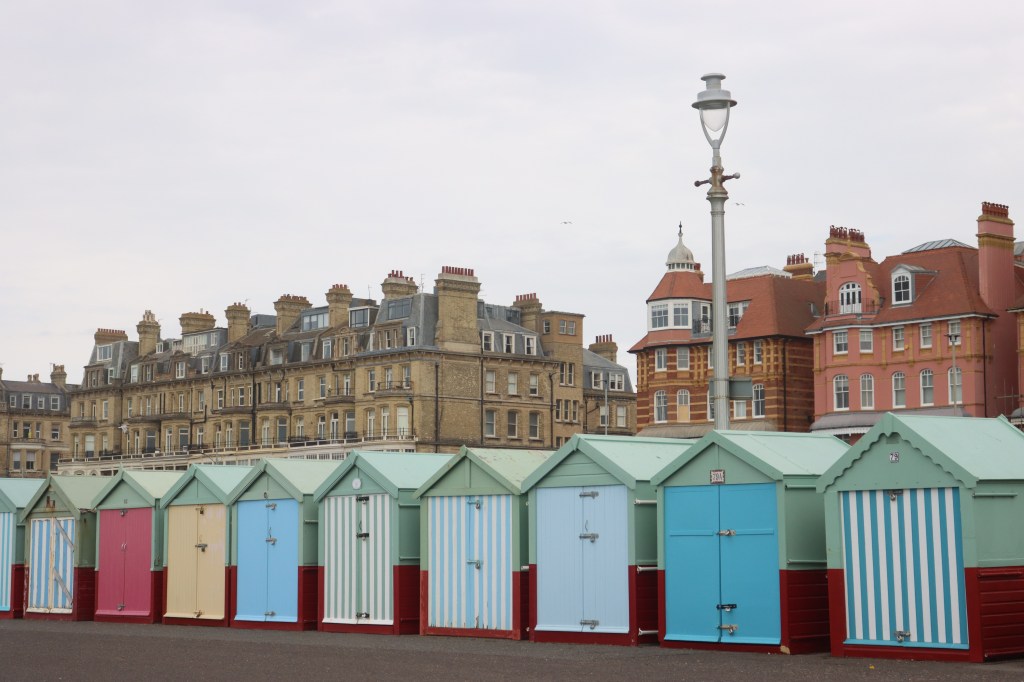
Famous for its colourful houses and beach huts, Brighton is a top destination for anyone looking to unwind by the seaside. Whether you’ve already planned your journey to Brighton or you’re on the hunt for landmarks, here’s a suggestion of 5 activities to add to your bucket list.

1. Visit the Brighton Palace Pier

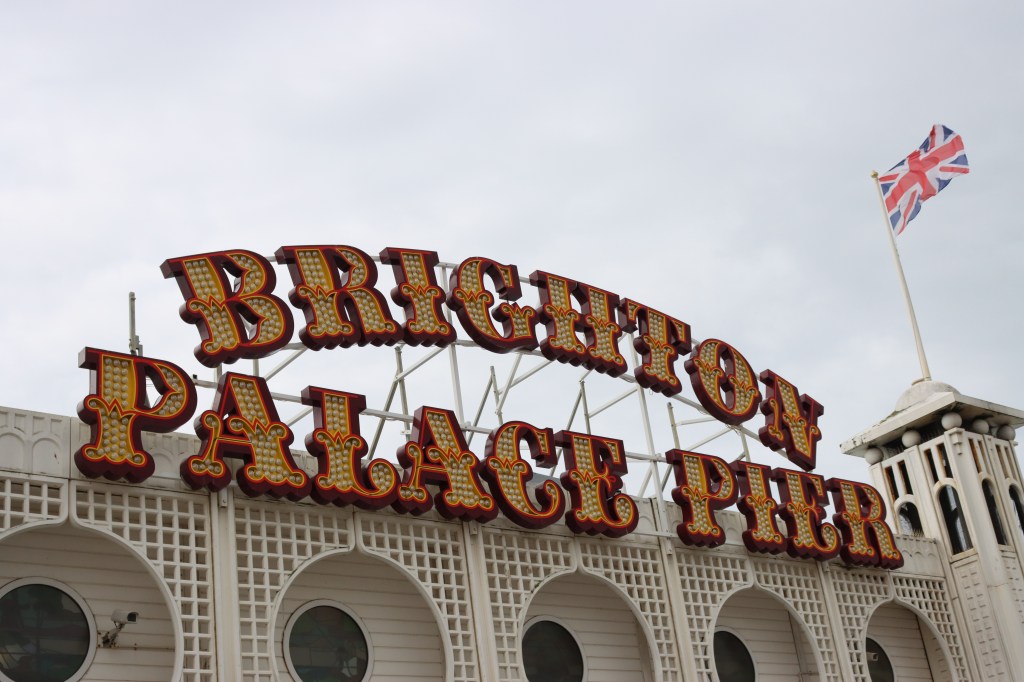
Officially opened in 1899, the Brighton Palace Pier has something to offer for evOpened in 1899, the Brighton Palace Pier was designed by Richard St George Moore and originally named ‘The Brighton Marine Palace’. The pier is located in the city center of Brighton opposite the Old Steine and has something to offer to everyone – from bars and food places to rides for kids and arcades.

The pier is open every day of the week from 10 am until 9 pm with certain attraction opening and closing at specific times. To check the opening times for all attractions on the pier click here.

2. Rent a bike and explore the beach alley

Renting a bike in Brighton is one of the quickest and easiest ways to make your way around the city and visit the landmarks on your to-do list. With the Easy Rider fee, it costs £1 to unlock your bike and 3p/minute for the duration of your bike hire.

All you need to do is download the SoBi app (Social Bicycles), choose your plan, and register. Then you would need to head to your nearest BTN BikeShare Hub and enter your mobile number or account number and a 4-digit PIN into the keypad on the back of the bike to unlock it. Remember the place the U-lock on the holster before you embark on your journey. 

To end your ride, head to the nearest BTN BikeShare Hub and lock your bike. The total fee for the bike ride will then show on the monitor on the back of your bike and you will be able to pay directly through the app.

3. Check out the Royal Pavilion

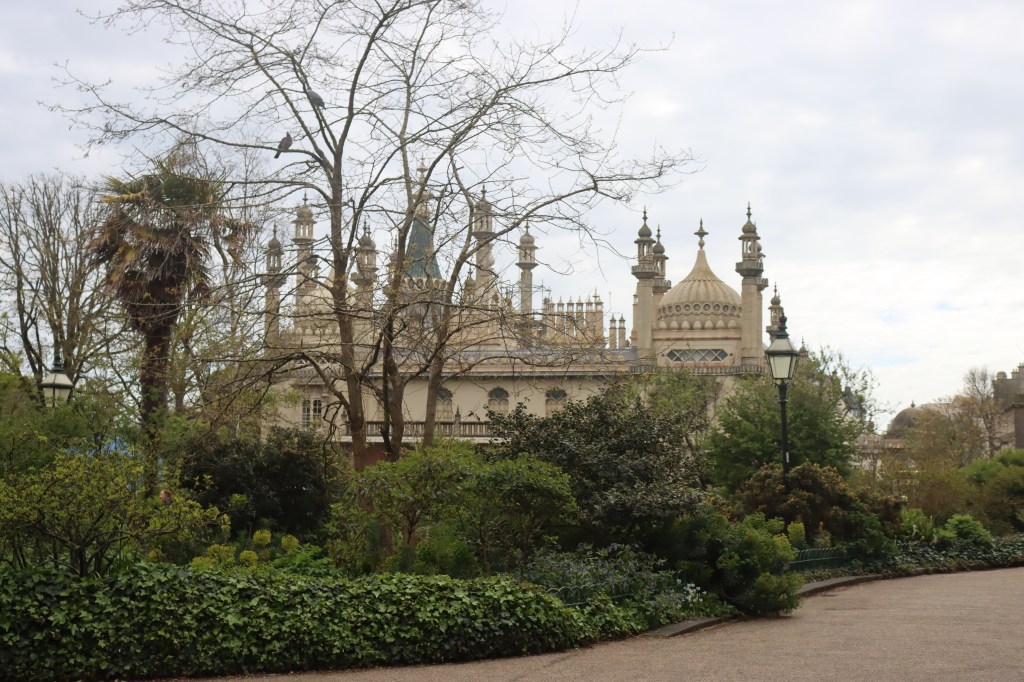
The Royal Pavilion is a former royal residence built between the late 1800s and early 1900s as a seaside retreat for King George IV. The site was later on purchased by Brighton from Queen Victoria and opened its doors to the public as a tourist attraction and a wedding venue.

The garden in the Royal Pavilion has a wide variety of plants and Grade II listed in the Register of Historic Parks and Gardens.

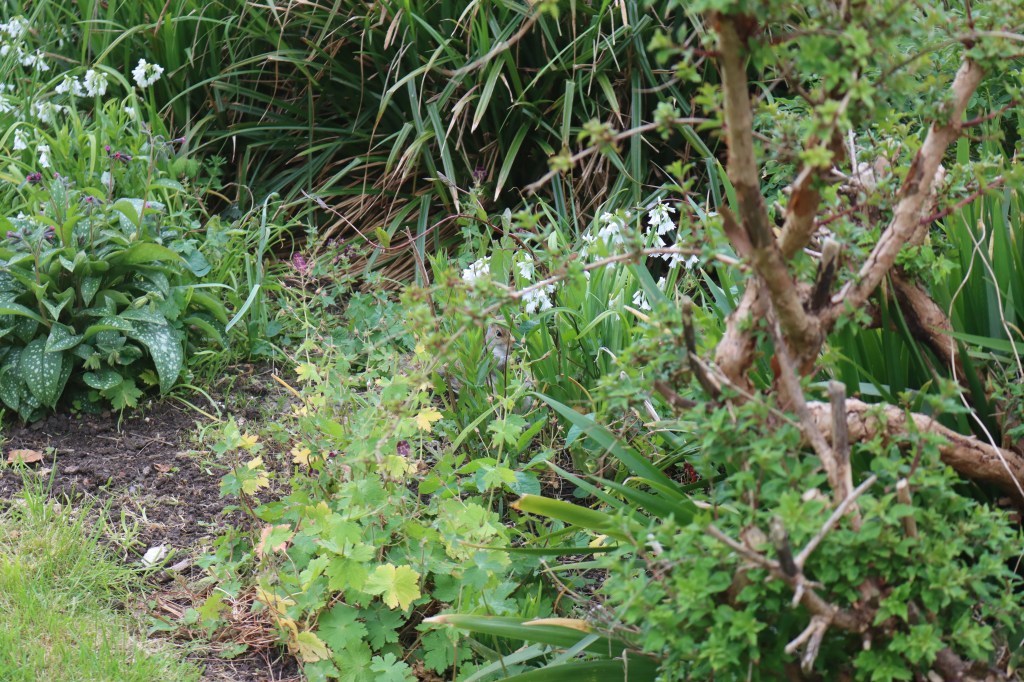
Can you spot the squirrel?

The adult ticket to enter the Royal Pavilion costs £19 but residents of Brighton and Hove can enjoy half-price admission to the landmark.

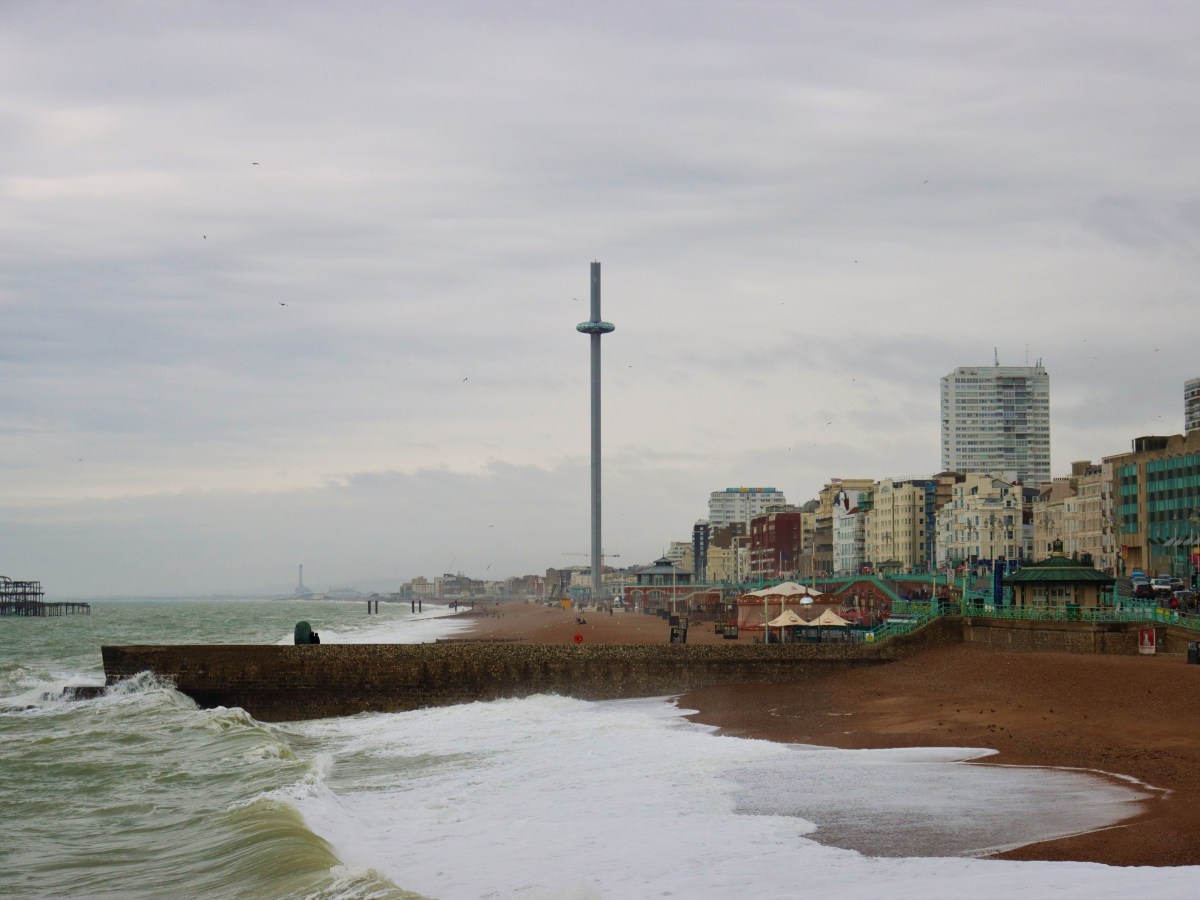
4. Hop on the British Airways i360 viewing pod

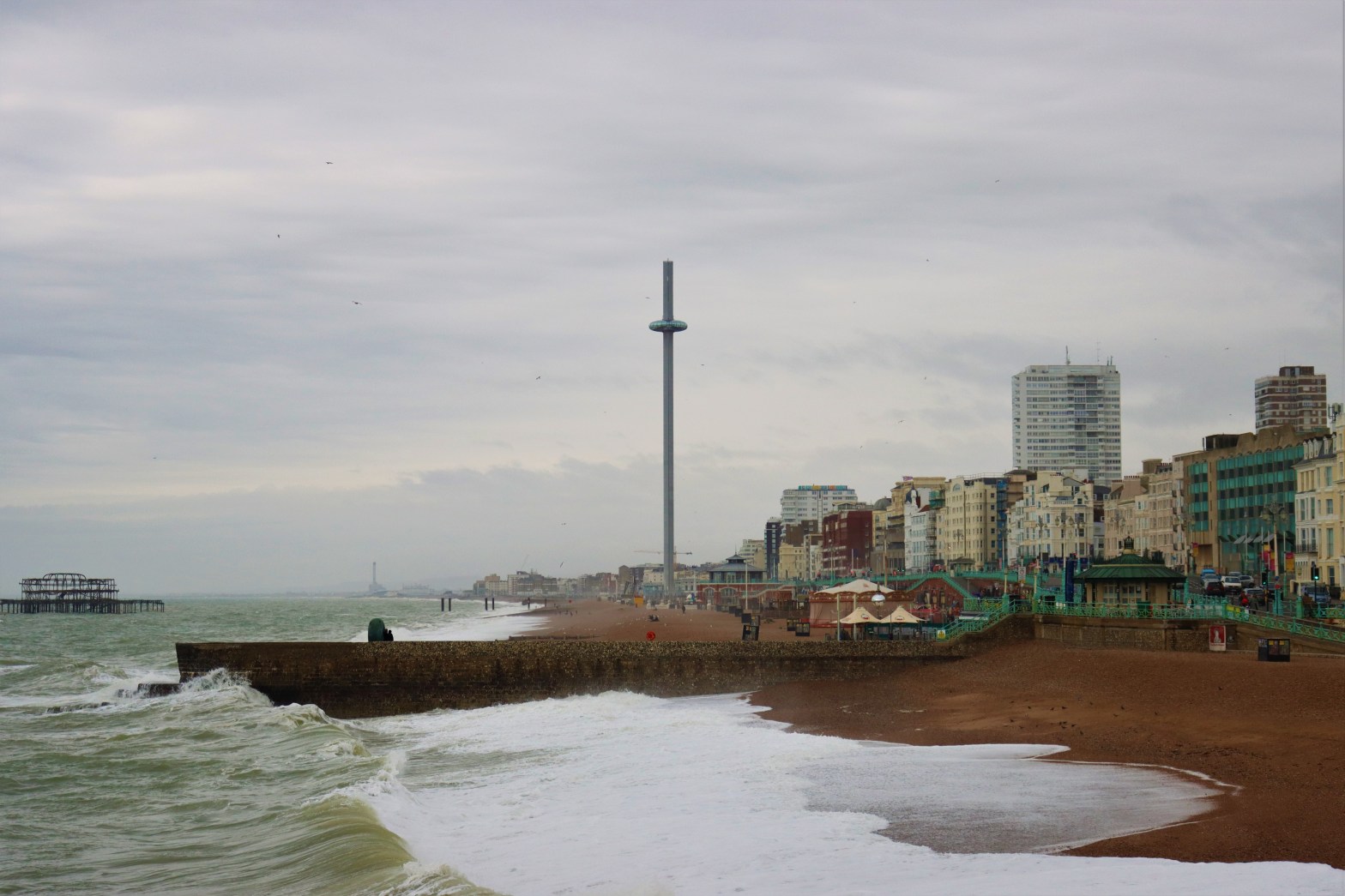
For the best panoramic view of Brighton and the south coast, I’d highly recommend getting on the British Airways i360 viewing pod. Opened in 2016, the tower’s fully enclosed 360 degrees pod glides up to 450ft in the sky and reveals a breathtaking view of Brighton, the South Downs, and the English Channel. 


The adult ticket for the British Airways i360 experience is £16.50 and can be booked online through the landmark’s official website here.

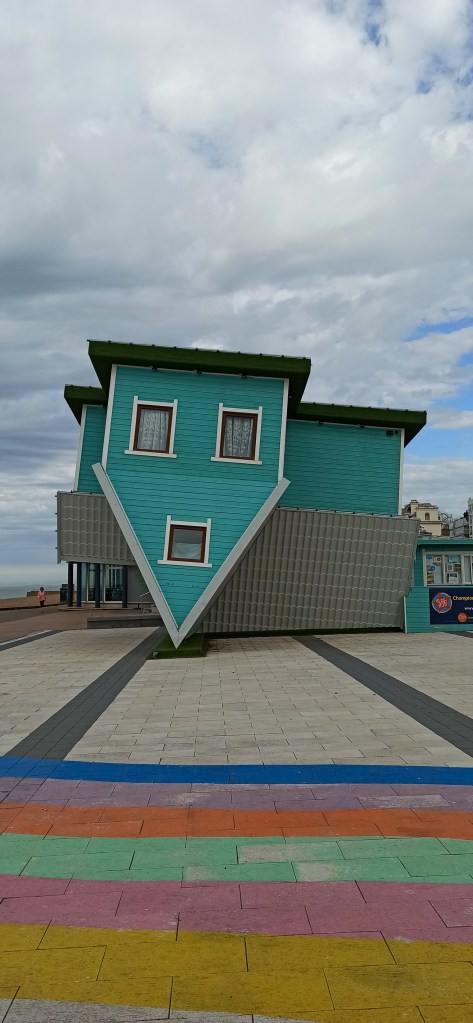
5. Strike a pose at the Upside Down House

Located in between the British Airways i360 tower and Brighton Beach Club, the Upside Down House is actually a museum of illusions that offers a variety of rooms designed to trick the human eye and help you capture the best images. 

The Upside Down House is typically open between 10 am – 8 pm with a ticket price of £5 per person.


Check out my most recent blog posts below 👇

A Sunny Sunday in Oxford

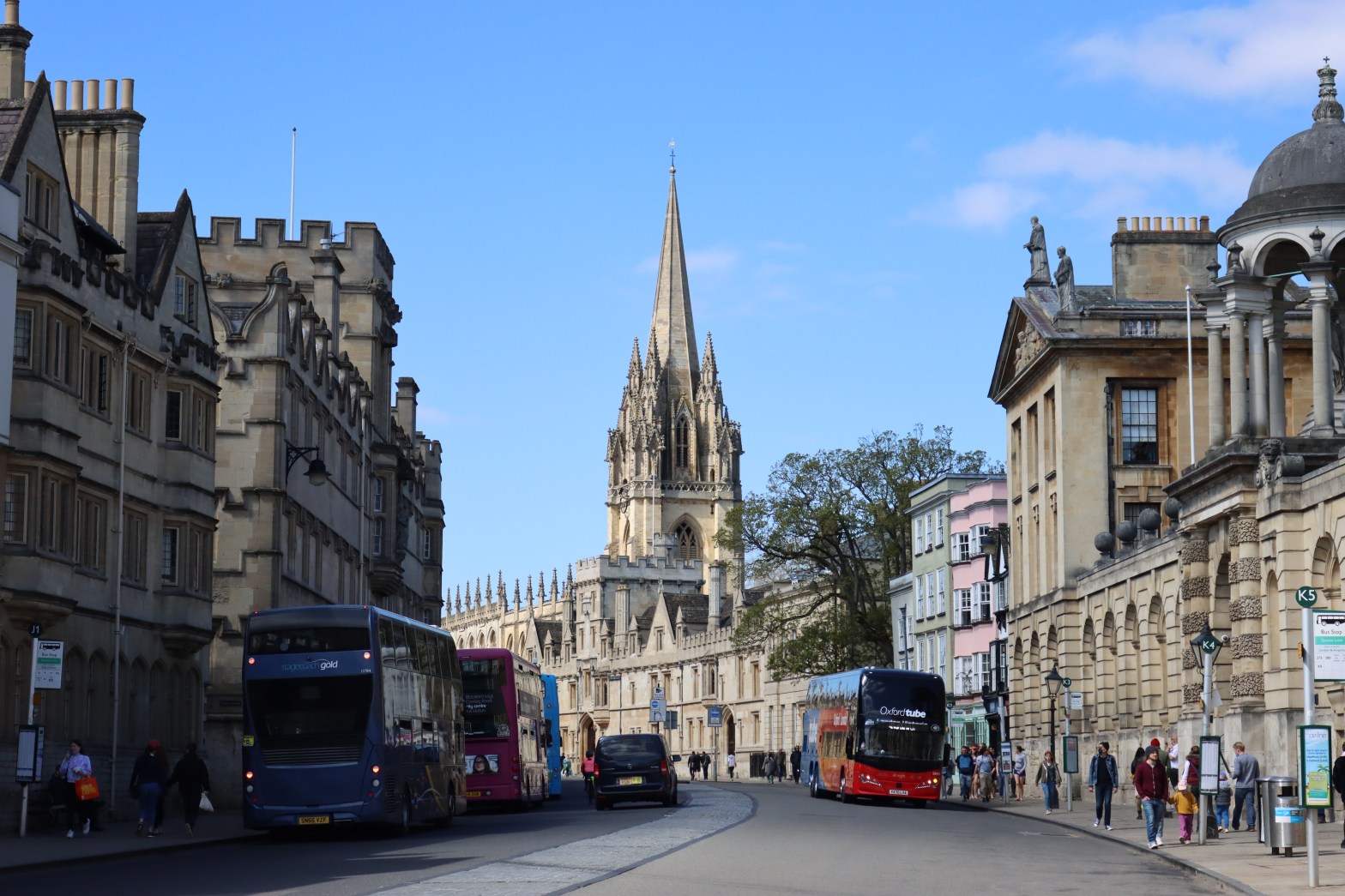
Located 90km northwest of London, Oxford is home to several beautiful architectural masterpieces from every English period as well as the world-famous University of Oxford.

Interestingly, Oxford’s name derives from the two words ‘ox’ and ‘ford’ and comes from the main ford (crossing point) where farmers drove their oxen to the market hundreds of years ago. Nowadays Oxford is heavily populated by students due to its prestigious university and colleges and is a key economical center for manufacturing, publishing, research, science, and tourism. 

I had the opportunity to head over to Oxford for a weekend and I created a list of my favorite landmarks and spots to visit.

1. University Parks

📍 S Parks Rd, Oxford OX1 3RF

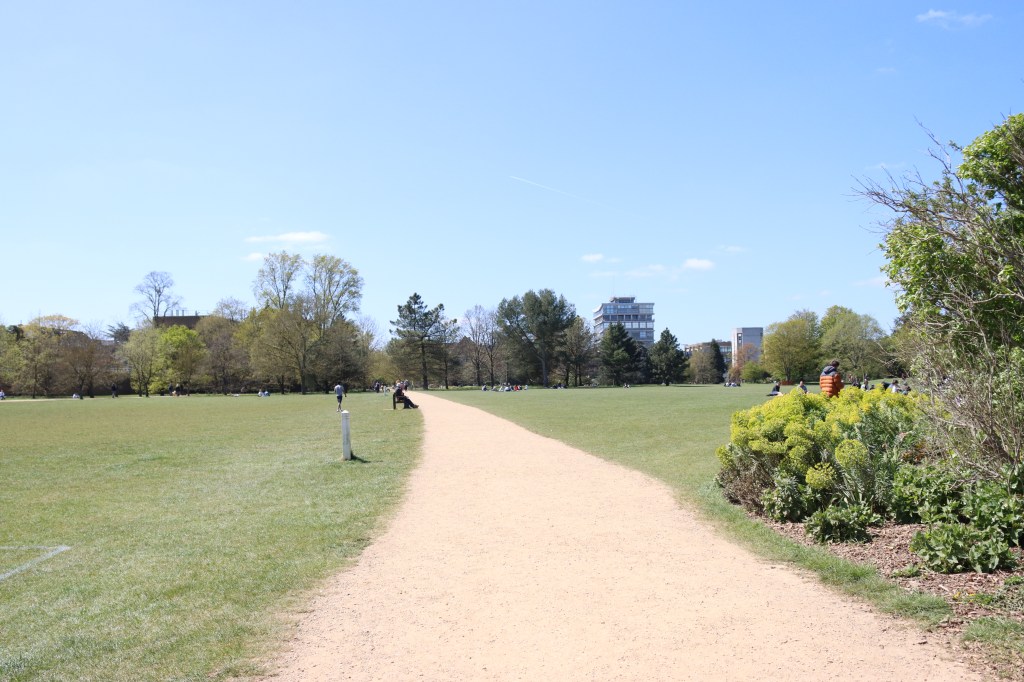
The Oxford University Parks often referred to as University Parks, is a large parkland area purchased by the University of Oxford in the 1850s and open to the public every day from 7:45 am. 

Boasting with large areas for games like cricket, lacrosse, tennis, football, rugby, and even quidditch, the park also has a rich collection of trees and plants.

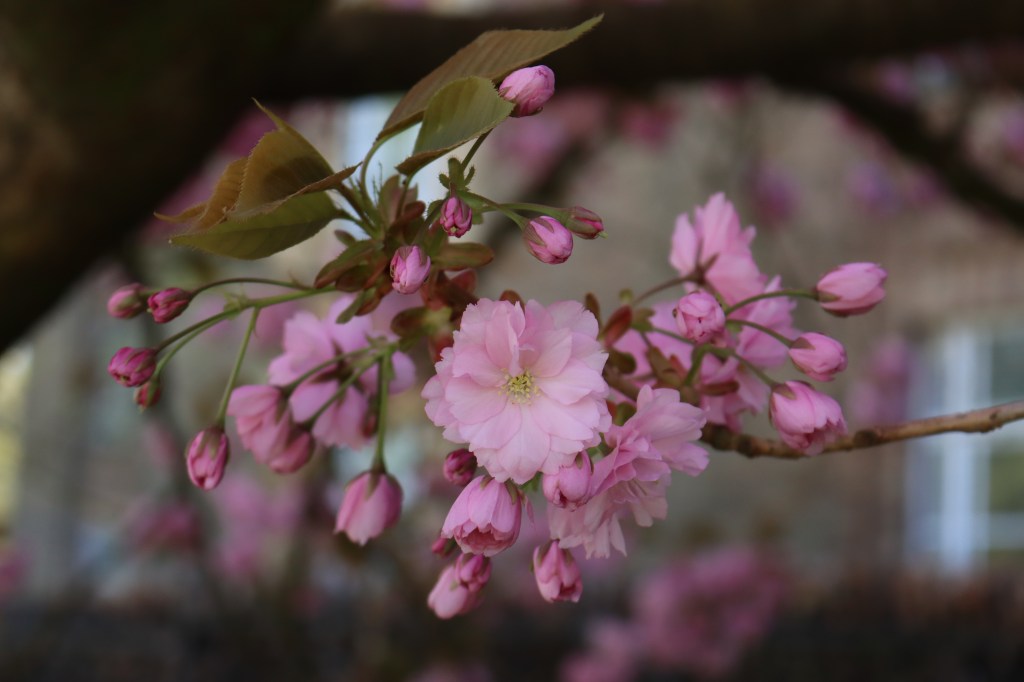
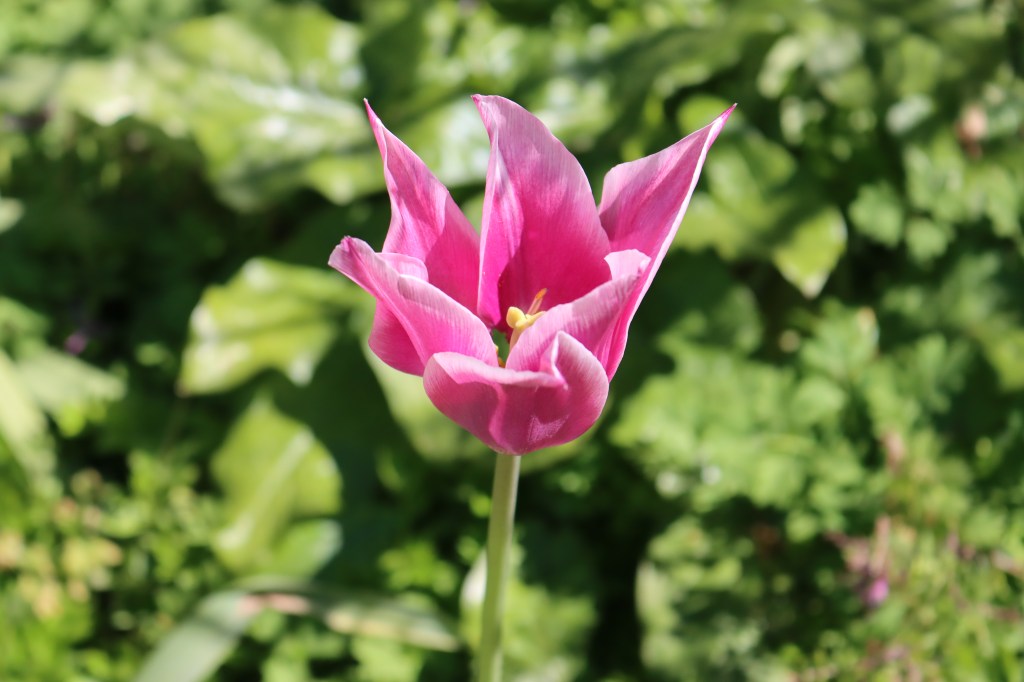
I obviously had to make a quick stop at this beautiful cherry blossom tree as I was fascinated by its baby pink nuanced flowers.

Okay… I might have spent over 15 minutes taking pictures of the flowers and the little busy bees surrounding the tree.

2. Bridge of Sighs

📍 New College Ln, Oxford OX1 3BL

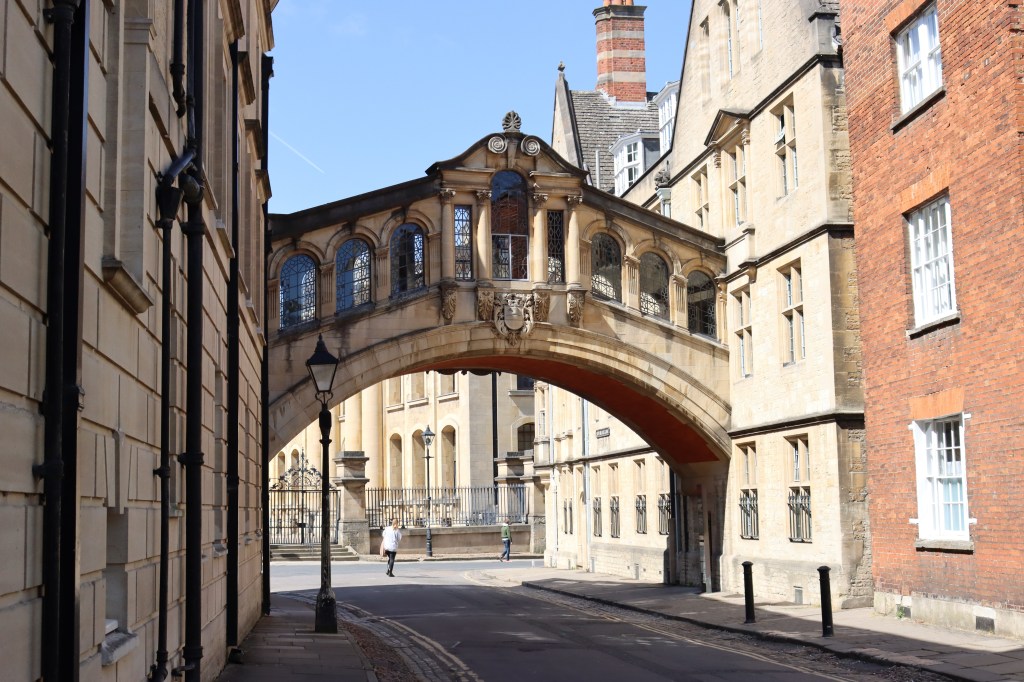
The Bridge of Sighs in Oxford is a distinctive city landmark joining two parts of Hertford College. It’s hard to miss as there are always at least a dozen tourists waiting to take a picture in front of the skyway.

The Bridge of Sighs is a must for anyone looking for an ‘Instaworthy’ shot and number two on my list of ‘most Instagrammable spot in Oxford’ (the first place has to go to Rad Cam). 

3. Radcliffe Camera

📍 Radcliffe Sq, Oxford OX1 3BG

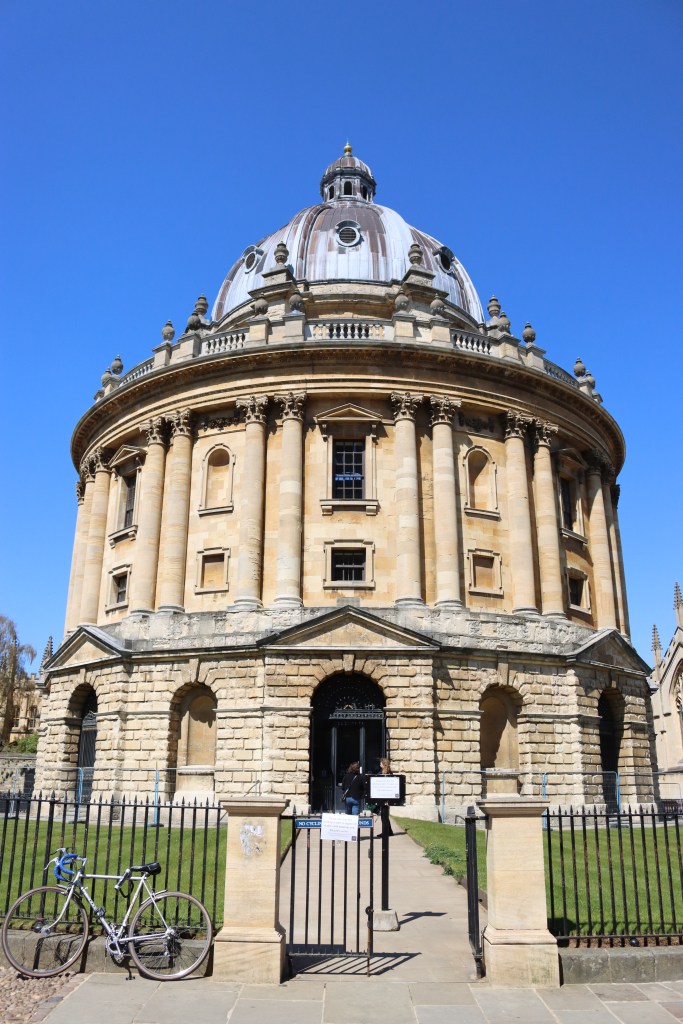
Radcliffe Camera or, as everyone calls it, “Rad Cam” is a neoclassical style building whose construction began in the late 1730s and finished in 1749. The Camera was designed by James Gibbs to house the Radcliffe Science Library and is now an iconic tourist attraction and a favorite for many students in Oxford.

Unsurprisingly, the impressive Radcliffe Camera is at the top of my list of ‘most Instagrammable spots in Oxford’, and by the looks of it, it’ll stay there for a while.

4. Oxford Botanic Garden & Arboretum

📍 Rose Ln, Oxford OX1 4AZ

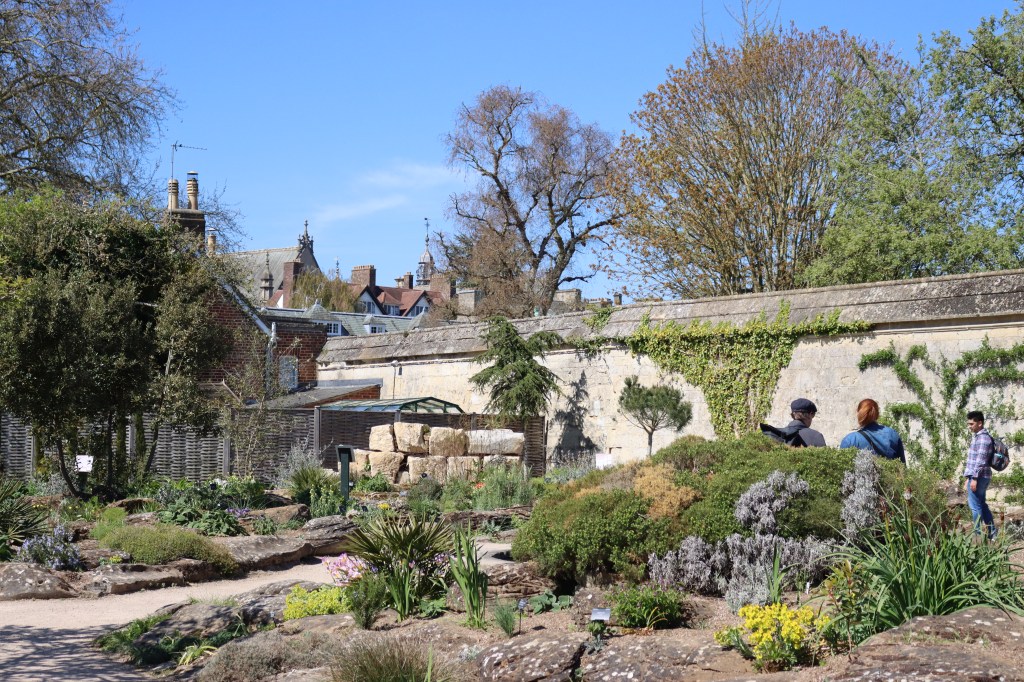
The University of Oxford Botanic Garden was founded in 1621 and is the oldest botanic garden in the UK. With its diverse collection of thousands of plants, the botanic garden is the perfect place to see some interesting plant species and practice your macro photography.

Although it’s open to the public, to access the garden you need to purchase a ticket online ahead of your visit and book a timeslot. I wasn’t aware of that prior to my visit but I booked a ticket right before I entered. Another thing to mention in case you’re an Oxford Uni student – you get to enter the garden for free!  

5. Magdalen Bridge

📍 Oxford OX4 1DN

Magdalen Bridge, named after its close proximity to Magdalen College, is a stone bridge that spans the divided stream of the River Cherwell to the east of Oxford.

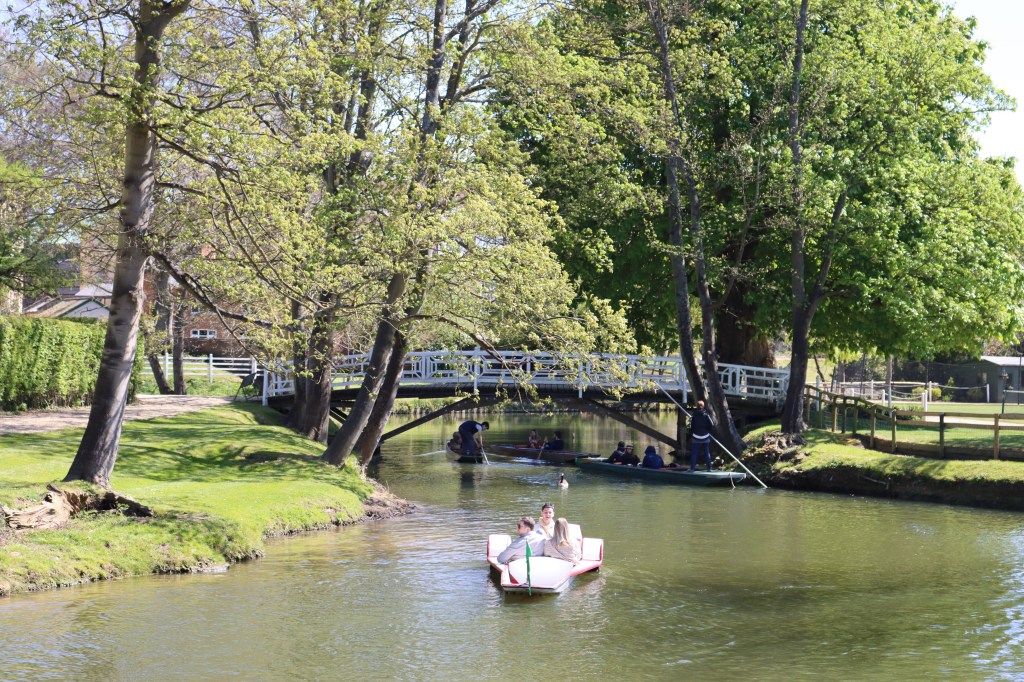
If you’re not familiar with punting and you haven’t tried it before, I would highly recommend checking out the Magdalen Bridge House, situated just underneath Magdalen College Tower. At the Magdalen Bridge House you can hire traditionally crafted punts, rowing boats and pedalos, or even a Chauffeured boat with a pre-ordered picnic basket (if you’re feeling a little fancy).

Punting around Oxford definitely gets the third place on my list of ‘most Instagrammable spots in Oxford’ – it’s cute, it’s fun and you get to see things from a different perspective. 

6. The Covered Market Oxford

📍 Market St, Oxford OX1 3DZ

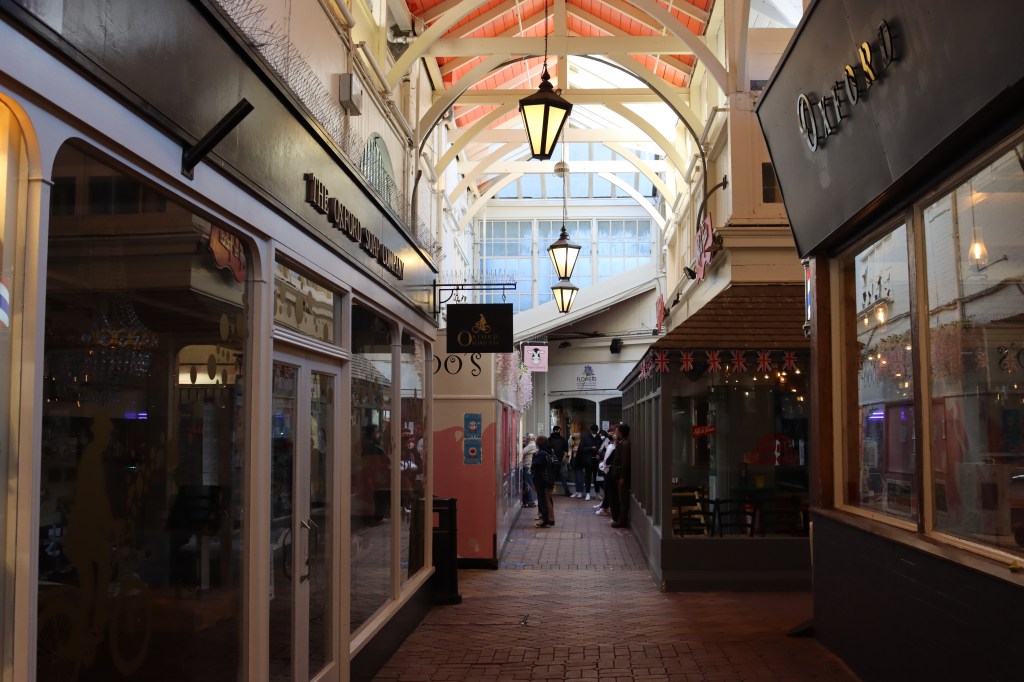
The Covered Market is a historic market with permanent stalls and shops in a large structure located north of the High Street. Officially opened in 1774, the market is still in use and home to numerous traders – from food retailers to gift shops and bakeries.


The Covered Market is open Monday – Saturday 8 am – 5:30 pm and on Sundays 10 am – 4 pm.


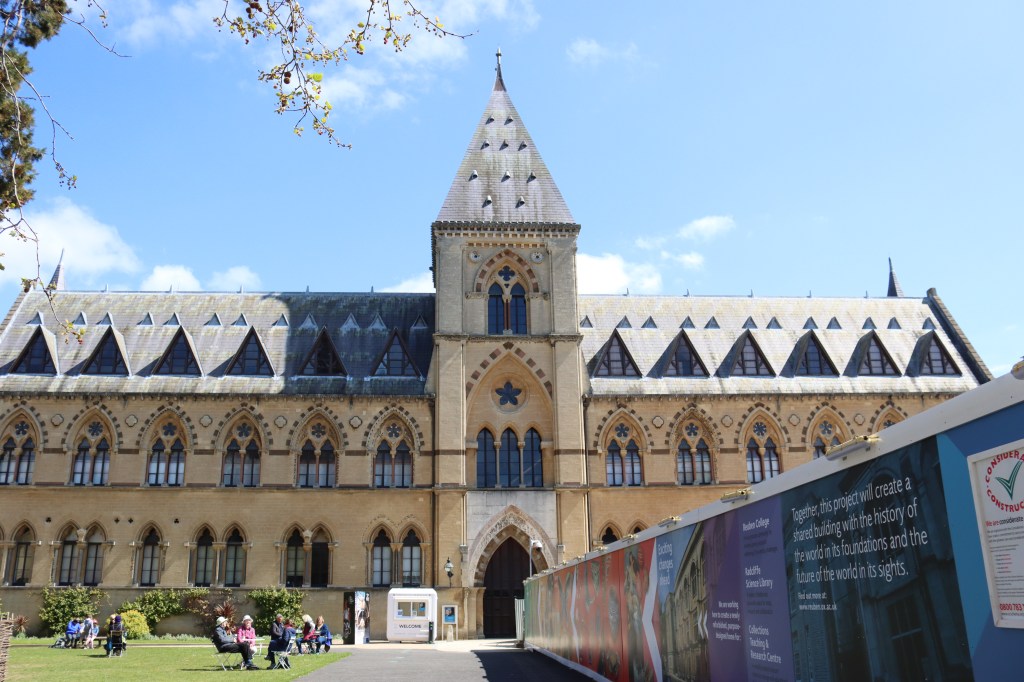
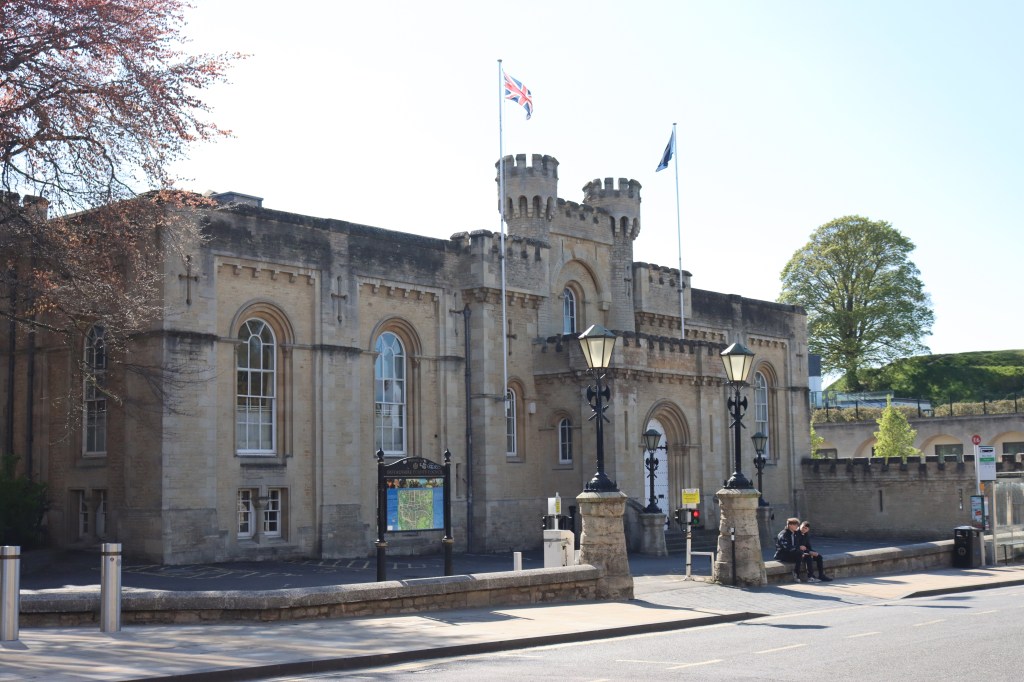
Although I got to stroll around Oxford and take pictures of the famous Pitt Rivers Museum, Oxford University Museum of Natural History, Ashmolean Museum, Oxford Castle and Prison, due to the ongoing UK government Coronavirus roadmap, those sights were temporarily closed. Nevertheless, I am certain I will visit Oxford again in the near future and the museums are now first on my to-do list.

Check out my most recent blog posts below 👇

20 Affordable Valentine’s Day Gifts for Travelers

Valentine’s Day is the perfect opportunity to surprise a loved one by showing them how much you appreciate them. Gifts for that occasion don’t always have to break the bank and oftentimes the most thoughtful and practical gifts are the ones that leave a lasting impression on our favorite people. 💗

I’ve created a list of Valentine’s Day gift ideas that are not only affordable but also practical and suitable for travelers.

How To Swear Around The World Phrasebook
£9.99 FIREBOX
Darth Vader AirPods Case
£15 Urban Outfitters
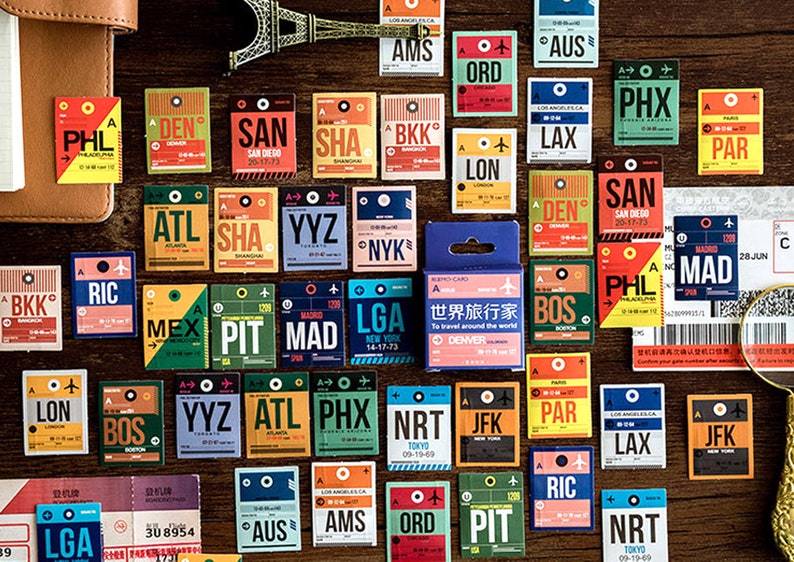
Airport Stickers Set
£2.69 Etsy
3 Months of Spanish
£35.97 Rosetta Stone
Scratch Map Deluxe
£23.95 Luckies

Personalised Adventure Fund
£29.99 Etsy
Personalised Card
£3.49/4.50 Scribbler
The Geography of Bliss by Eric Weiner
£4.99 Kindle/£8.19 Paperback Amazon
Magnetic Travel Chess Set
£13.95 Luckies
Aroma Home Harmony USB Diffuser
£19.95 ASOS
The Journey Bracelet + unique turtle tracking code
$14.95 Wildlife Collections
Beard Grooming Kit
£19.91 Amazon
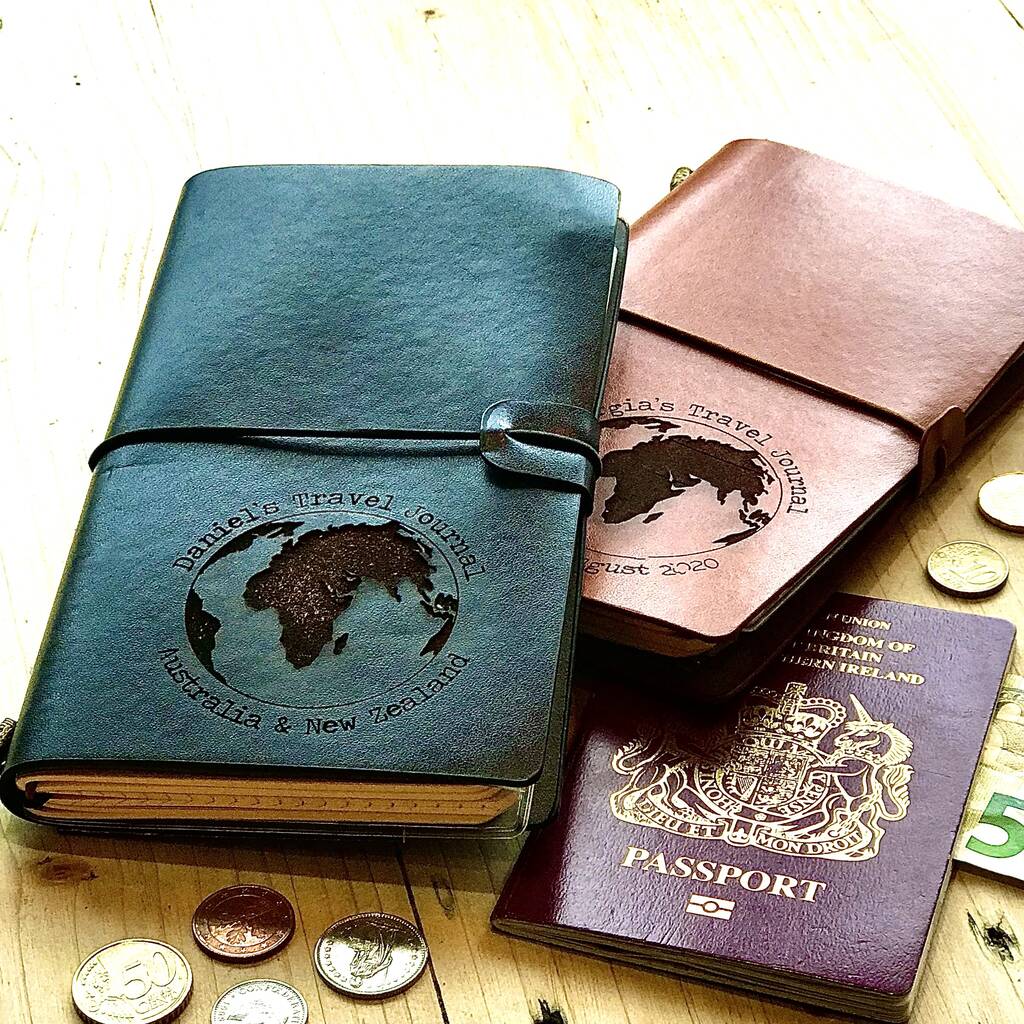
Personalised Leather Travel Journal
£24 Not On The High Street

Have any other ideas? Leave a comment below or reach out on Instagram. 👇

Choosing The Right Destination

You’ve worked hard for months, you’ve saved all of your money and you’re eager to travel somewhere. What do you do next? Where do you go?

Traveling is understood by people in different ways. Some travel to see and experience while others travel to unwind and take a break from everything. It could be one or the other, it could be both, there could be other reasons – the point is that there is no right or wrong reason for traveling.

With that in mind, I’ve made a list for you with things to consider when choosing your next destination.

1. Think of why you want to travel

Photo by Pixabay on Pexels.com

Are you traveling to see some landmarks or to relax in a nice 5-star hotel and relieve stress? The intention is important, and when taken into consideration, it will make your holiday much more enjoyable. If you don’t want to walk around all day ticking off landmarks from your to-do list simply don’t do it and let yourself have a well-deserved break. And if your way of unwinding is by visiting lots of places and meeting new people – find the best spot to do so. It would be helpful to make a list of the activities you want to do and the types of things you’d like to see on your next holiday.

2. Decide on a timeframe when you’re able to travel

Photo by Designecologist on Pexels.com

Some jobs may require you to be present throughout most of the year with a small holiday allowance in the summer months, others are more lenient and allow you to take a couple of days off anytime throughout the year. Deciding on a timeframe when you will be able to travel is the first step to finding the destination that best suits your needs.

3. Decide on a budget

Photo by olia danilevich on Pexels.com

You may have been saving for weeks or even months but do you really want to go all out on a holiday? Remember there is no wrong or right answer and it all depends on you, your needs, and your lifestyle. Setting a tentative amount of money that you’re willing to spend for your holiday is going to determine the location and duration of your stay.

4. Choose a country/city

Photo by Artem Beliaikin on Pexels.com

The reason why I mentioned you need to decide on a season and a budget is that it will influence the country you end up going to. For example, if you plan on traveling in the summer you might want to avoid destinations that are too hot or too expensive. Another thing to consider is that the summer season for you does not equal summer in every geographical location around the world. If you want to go skiing in winter don’t choose to travel to Palma de Mallorca. It sounds a bit silly but crossing out certain locations will serve as a guide for you to choose the most suitable spot. Don’t forget to think about how you are going to get there – are you hopping on a plane for 3 hours or having multiple layovers until you reach the location?

5. Do your research

Photo by Samson Katt on Pexels.com

You decided on a season; you know how much you’re willing to spend and you know what you want to do on your holiday. Now is the time to roll up your sleeves and start digging for information about the places that caught your eye the most. It could be by searching in travel blogs, books, websites, online travel groups, watching YouTube videos, or asking friends for their opinions and personal impressions. You might find out that the destination you chose is not for you or it’s too expensive or you might discover multiple other places that you had not heard of but seem intriguing. Keep on researching until you find the perfect place that you’re sure you want to visit and spend your hard-earned money on.

6. Book those tickets and start the countdown

Photo by Karolina Grabowska on Pexels.com

After careful consideration and planning, the best part about the whole process is booking your tickets and getting into the mood for traveling. Making travel plans is a great way to find something to look forward to. It will make working and studying less difficult and it can boost your productivity as you will have a timeframe for your workload and motivation to finish it or make progress on it.


If you are planning on traveling anytime soon, make sure you check out my 5 Tips for Traveling During a Pandemic blog post. I also have travel guides for some of the destinations I’ve visited and I will be posting new ones very soon so stay tuned.

Free Things To Do in London – COVID-19 Edition

Your Guide To Toronto

5 Reasons Why You Should Visit Jordan

A Walk in Istanbul – Part 1

A Walk in Istanbul – Part 2

5 Tips for Traveling During a Pandemic

With the global pandemic continuing to rage across the world, many travelers are taking on a different approach when it comes to traveling abroad or locally. They not only have to consider high-risk areas but also the constantly changing travel restrictions. Having that in mind, I’ve created a list of 5 important tips to consider when embarking on a journey.

1. Check the latest travel restrictions for the country/area you are visiting

Photo by nappy on Pexels.com

Some authorities from certain countries hold daily briefings to update the public on the latest COVID-19 statistics and if the measures in place will be tightening/loosening. It is important to follow the local news every day to ensure you are prepared and well-informed ahead of your trip.

That way you will know what travel restrictions are in place in the area you will be visiting, what travel corridors are open, where you can travel without having to quarantine, etc.

Be cautious of the spread of false information online and try to rely on verified sources of information and news providers rather than Facebook groups/WhatsApp group chats.

2. Bring vitamins or other emergency medication with you

Photo by Polina Tankilevitch on Pexels.com

Vitamins can boost your immune system as they are essential nutrients that help your body function properly and resist infections. While there is no scientific proof that taking vitamins daily can prevent or slow down the spread of Coronavirus, vitamin intake can have several advantages when it comes to your overall performance every day. Vitamins can be taken in the form of tablets or through the daily consumptions of certain fruit and vegetables that are beneficial for your health.

I’ve found a few sources from the British Nutrition Foundation that offer a helpful guide on the benefits of fiber, vitamins, and minerals as well as what foods are rich in them. Of course, you can choose a more local source of information or consult with a nutritionist to ensure you are consuming the right amount of nutrients for your wellbeing. 

Although no one likes to think negatively, you must consider the event of having to self-isolate in a foreign country/different city for various reasons. In that case, make sure you bring emergency medication with you as a last resource in a worst-case scenario. 

3. Check the opening and closing times of the landmarks on your to-do list

Photo by Maria Orlova on Pexels.com

It may be the case that the country/city you are visiting is open for traveling but the landmarks such as museums, galleries, and other enclosed spaces are temporarily closed to prevent the spread of Coronavirus. 

It’s best to make a list of all the places you plan on visiting then manually check the working hours of each landmark. Remember that just like travel restrictions may change each day, certain institutions/centers may close down all of a sudden and if you don’t check regularly, it will catch you by surprise. 

4. Bring masks, hand sanitizer, and antibacterial wipes

Photo by Anna Shvets on Pexels.com

While there have been anti-mask protests in some areas of the world, the solution to that issue is simple – if you do not wear a mask you will not be permitted to fly. Hand sanitizing is also essential since you are in contact with surfaces that have been contaminated by other passengers. Antibacterial wipes can also come in handy when you want to clean the space around you such as your table, chair, seat, and even seatbelt. If you’re staying at a hotel make sure you wipe down surfaces such as nightstands, shelves, etc. before you place your items above or inside.

5. If possible, use less busy/popular airports

Not only are smaller airports cheaper to fly from, but it may also be safer for you if there are fewer flights with fewer passengers. If that means flying with a low-fare airline company, make sure that the company is taking the necessary precautions to ensure the safety of their passengers while also making sure that distance is maintained between them.

As well as that, consider how you are going to get to your accommodation once you’ve landed. Look into the timetables of public transportation and if you’re arriving late, check if there is transportation late at night/early in the morning as well. 


With all that being said, consider whether your trip is safe or whether it can wait for a later time when the spread of COVID is less threatening for your health and the health of others. We all make our own decisions, nevertheless, it is important to take into account advice from local authorities as well as specialized agencies such as the WHO (World Health Organization).

A tour around Iceland’s South Coast

Welcome to Iceland’s South Coast, where water, fire and ice, like the colours in Iceland’s flag, cross paths to reveal dramatic landscapes and enchanting natural wonders. I’ll take you through majestic glaciers, breathtaking waterfalls and the famous Black Sand Beach and tell you myths and legends about these beautiful places, preserved and passed down from…

10 Best Things to Do in Barcelona

Barcelona, with its unique blend of ancient traditions and modern flair, attracts millions of travellers from all corners of the globe. It offers stunning architecture, breathtaking views, a friendly atmosphere and one of the world’s best cuisines which have turned Barcelona into a national gem and a dream destination for many. I was lucky enough…

Day Trip to Newcastle

Situated in North East England just a few kilometres away from the North Sea, Newcastle has a diverse architectural history combining several historical periods. It’s home to the prestigious Newcastle University as well as many spectacular landmarks and attractions. Although a day is never enough to truly experience the atmosphere of any city, below is…

Spend a Day in Blackpool

Located on the Irish Sea coast of England in the county of Lancashire, Blackpool is one of the most popular UK seaside resorts. It’s easily accessible via coach and train and a perfect quick getaway spot if you’re based in the North. So why not go for a change of scenery and visit this magical…

5 Things To Do in Brighton

Famous for its colourful houses and beach huts, Brighton is a top destination for anyone looking to unwind by the seaside. Whether you’ve already planned your journey to Brighton or you’re on the hunt for landmarks, here’s a suggestion of 5 activities to add to your bucket list. 1. Visit the Brighton Palace Pier Officially…

Free Things To Do in London – COVID-19 Edition

I’m sure we could all agree that 2020 was nothing like what we expected. I thought that I was going to be in my final year at Leeds University and stressing over the dissertation project but here I am enjoying myself in London and reflecting on the past 12 months. 

Anyway, long story short I’m now working full-time in London and constantly looking for ways to make my weekends more exciting. 

I’ve made a short list of free things that you could do in London on a weekend. The only catch is that you MUST book your tickets in advance.

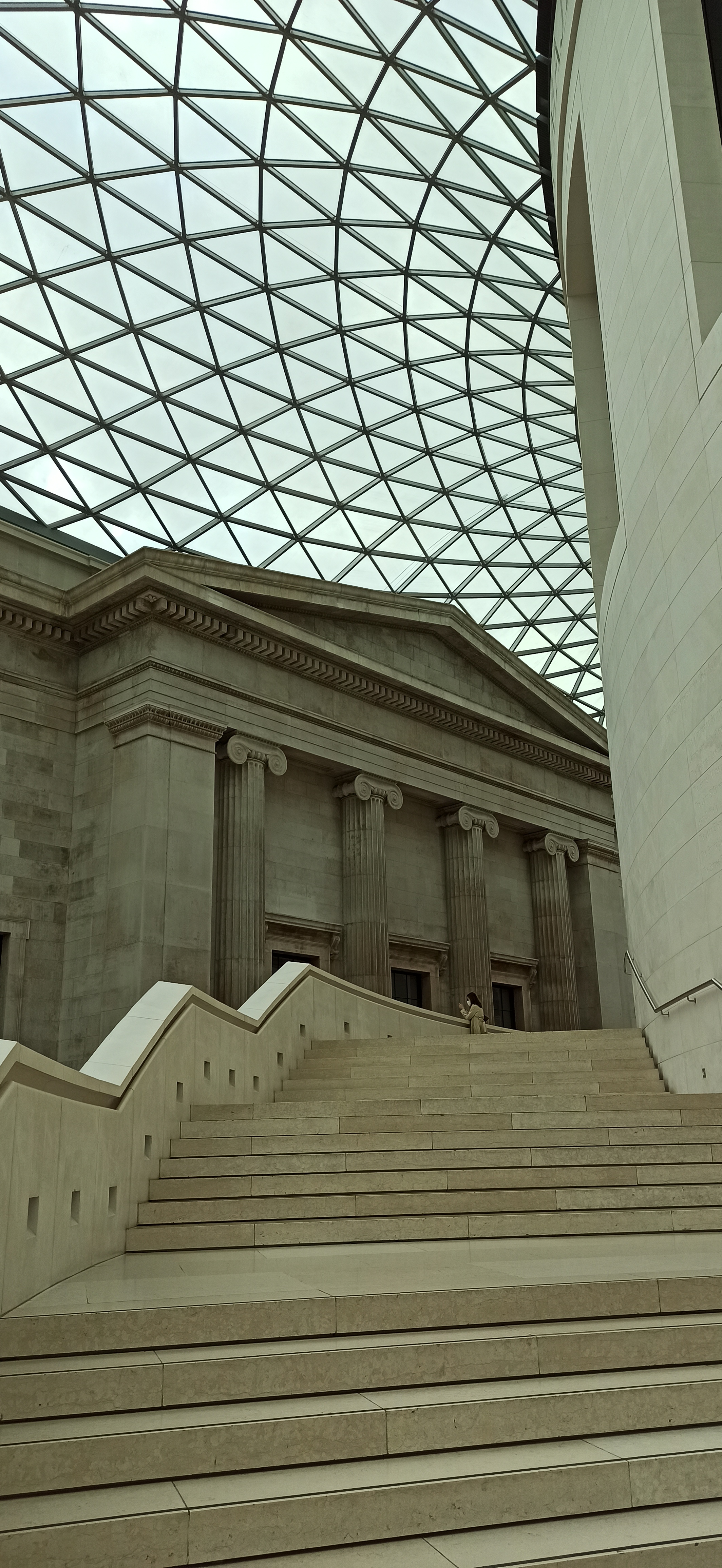
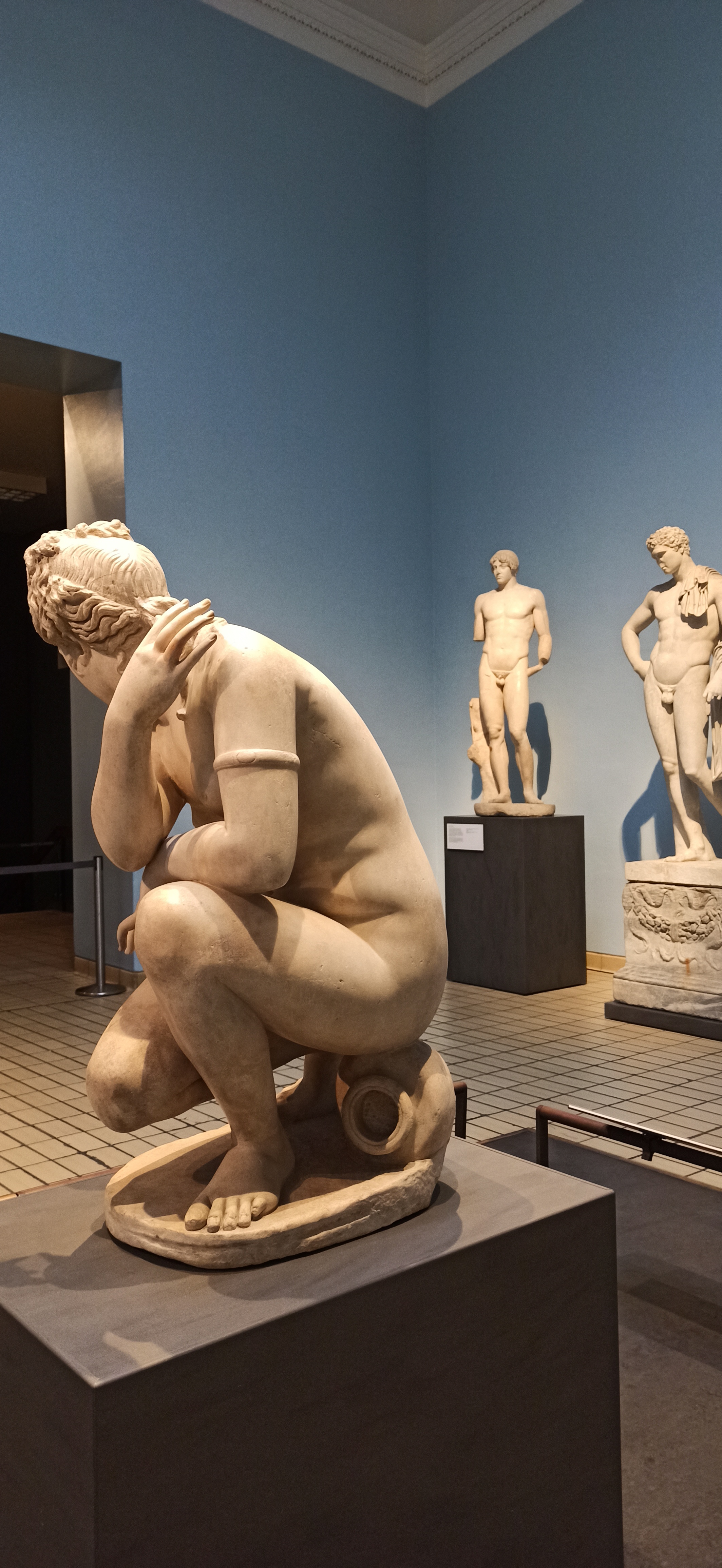
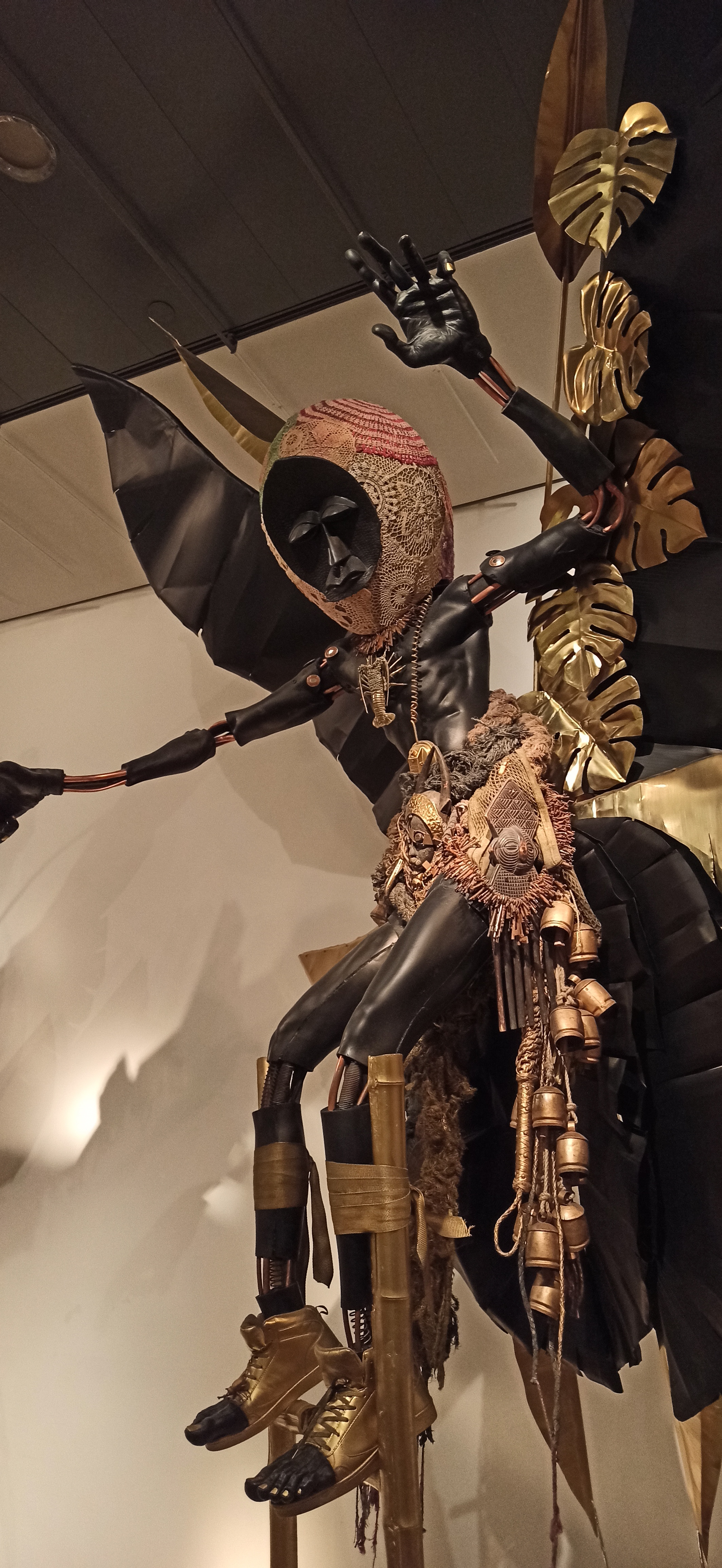
The British Museum

📍 Great Russell St, Bloomsbury, London WC1B 3DG

As one of the largest museums in the UK with exhibits from all around the world, The British Museum offers you the opportunity to experience the world through the prisms of history, art, and culture. 

The entry is free if you book your visit a week or two in advance but if you’re interested in a specific exhibit that is hosted by The British Museum you would have to purchase a ticket for it.

My suggestion would be to book a time slot between 12-2 pm so that you can have enough time to have a good look at all of the artifacts without rushing.

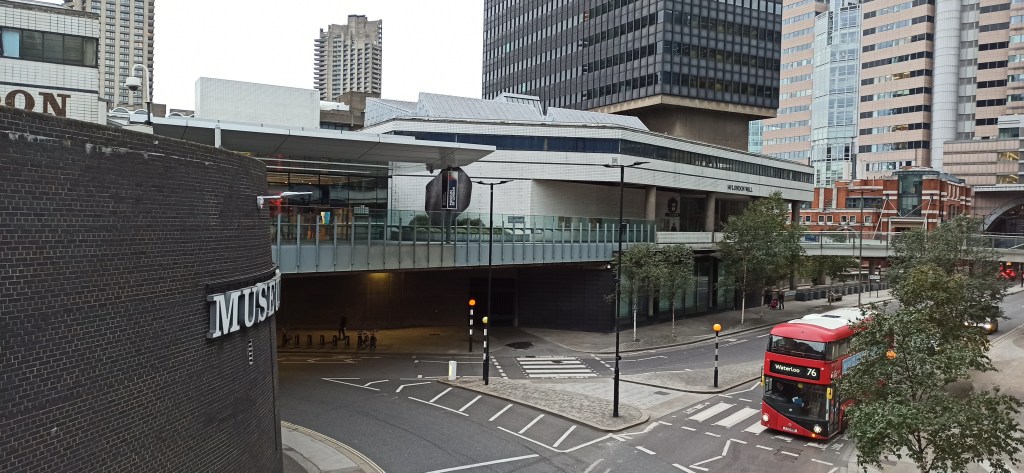
Museum of London

📍 150 London Wall, Barbican, London EC2Y 5HN

If you want to gain an insight into the history of the UK’s capital, then the Museum of London is the best place for that. Not only does it have artifacts that date back to prehistoric times but it also tells the story of London chronologically dating all the way from prehistoric to present times.

The staff was friendly, and they gave me a little bit of background on what I was about to see and the order of the exhibition artifacts.

It all depends on how busy the museum is around the weekends but I was able to book a ticket for it a day in advance.

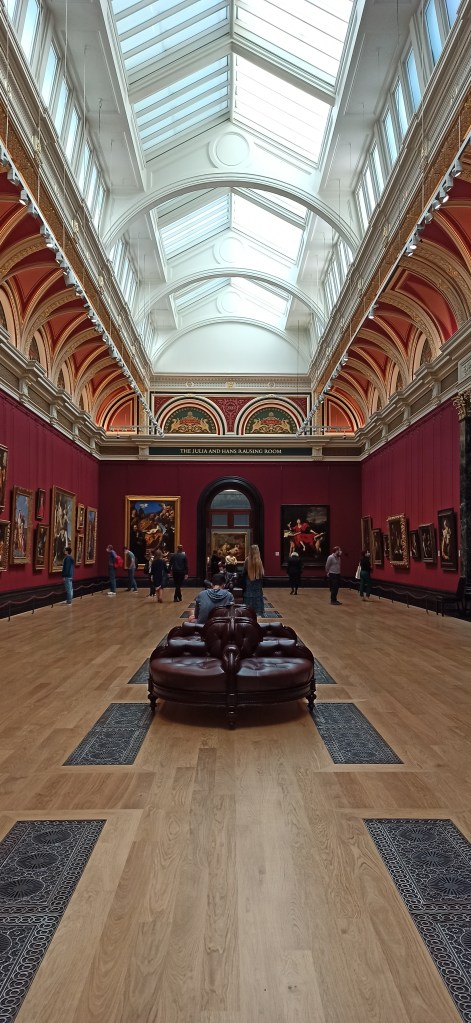
The National Gallery

📍 Trafalgar Square, Charing Cross, London WC2N 5DN

If you want to immerse yourself in the world of art, you could always visit The National Gallery. The art museum exhibits over 2000 paintings and I have to admit it’s one of my favorite places to go to.

The gallery proudly showcases the brilliant paintings of artists like Botticelli, da Vinci, Caravaggio, Monet, Van Gogh, and many more. 

It’s the first museum that I ever visited since I moved to London back in July and it’s certainly worth adding to your list.

Sky Garden

📍 1 SKY GARDEN WALK, London EC3M 8AF

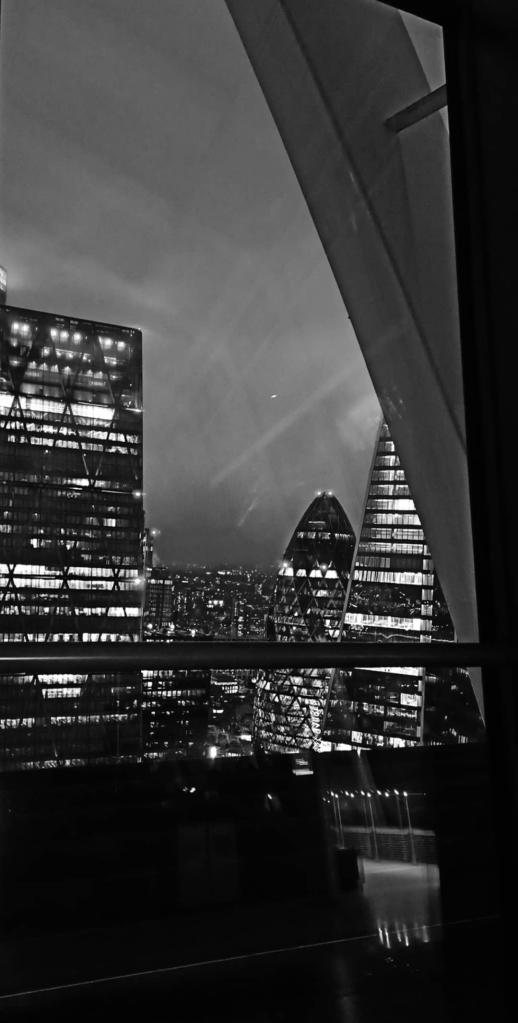
If you love cityscapes and tall business buildings like me, you would definitely fall in love with the view that the Sky Garden offers. It is London’s highest public garden with a 360-degree view of the capital’s skyline and an open-air terrace. 

Weekend visits are typically almost fully booked so I would suggest planning it and booking a spot at least two weeks in advance.

I always say that places like that need to be visited at least twice – once during the day and another time while the sun sets and the city starts to light up. The only thing you need to keep in mind for your golden hour visit would be that the terrace will most likely be closed as it closes at 6 pm.

Tate Modern

📍 Bankside, London SE1 9TG

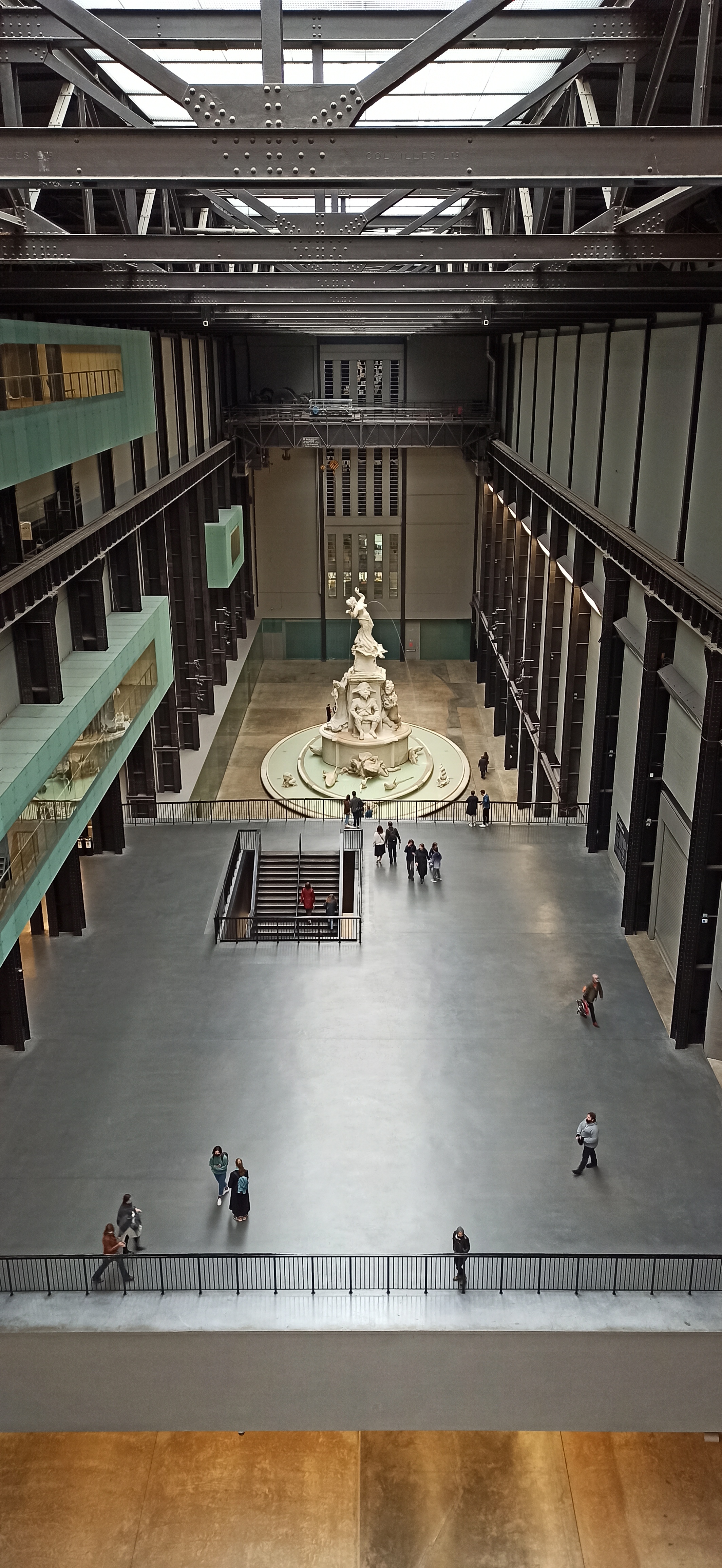
Tate Modern is one of the most visited modern and contemporary art museums in the UK. The gallery has multiple floors and exhibits artwork from around the world dating between 1900 to present times. 

The admission fee for Tate Modern is free and gives you access to Tate’s main collection displays, however, for temporary special exhibitions and events you would have to purchase a ticket to enter.

National Maritime Museum

📍 Romney Rd, Greenwich, London SE10 9NF

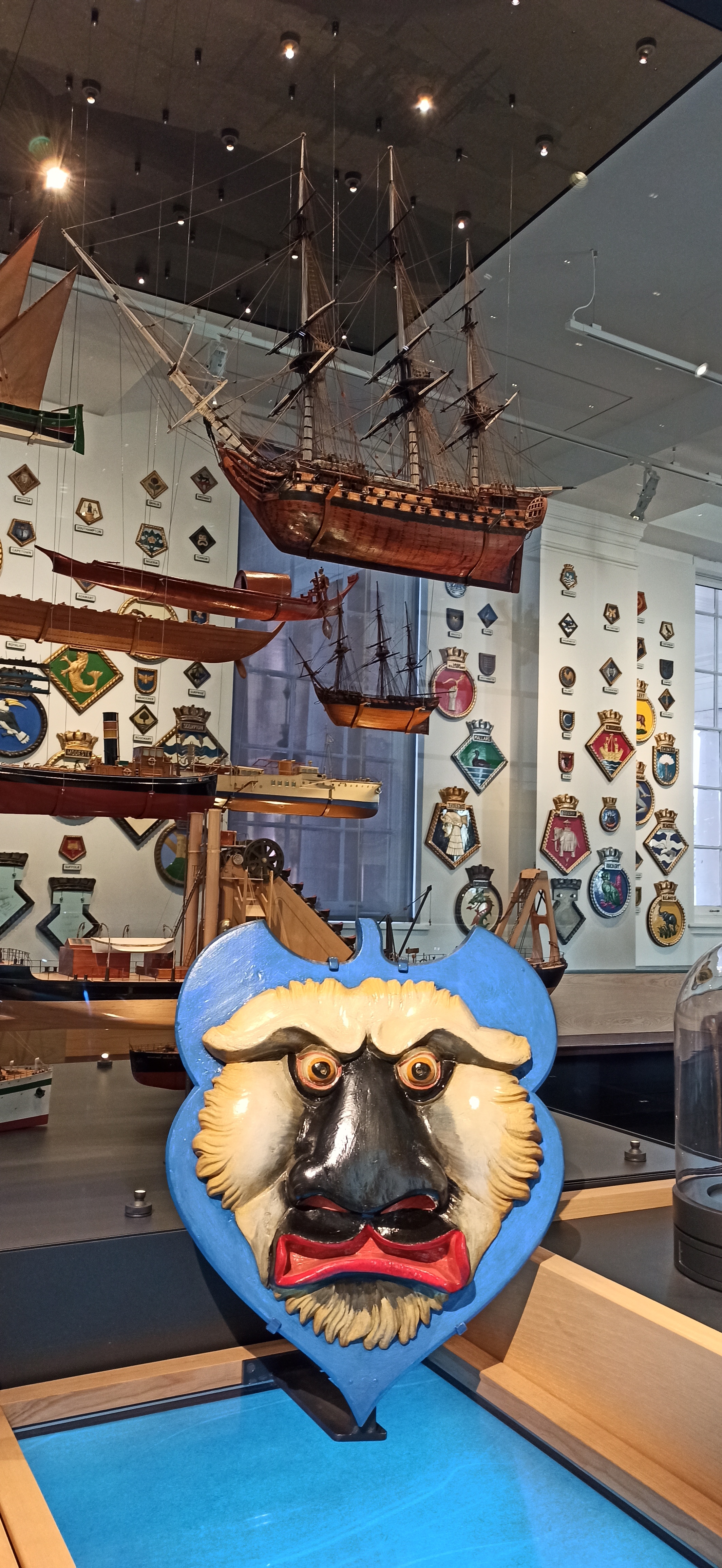
Located in Greenwich, an area in South East London, the National Maritime Museum is a publicly funded national museum, and booking your visit is free of charge. It has a rich collection of over 2 million artifacts including maritime artwork, cartography, manuscripts. 

Because it is located on the opposite side of London for me I had to plan my journey there and the type of public transportation I would need to use. It’s great if you could combine the National Maritime Museum with a visit to the Queen’s House which is less than a minute away.

Queen’s House

📍 Romney Rd, Greenwich, London SE10 9NF

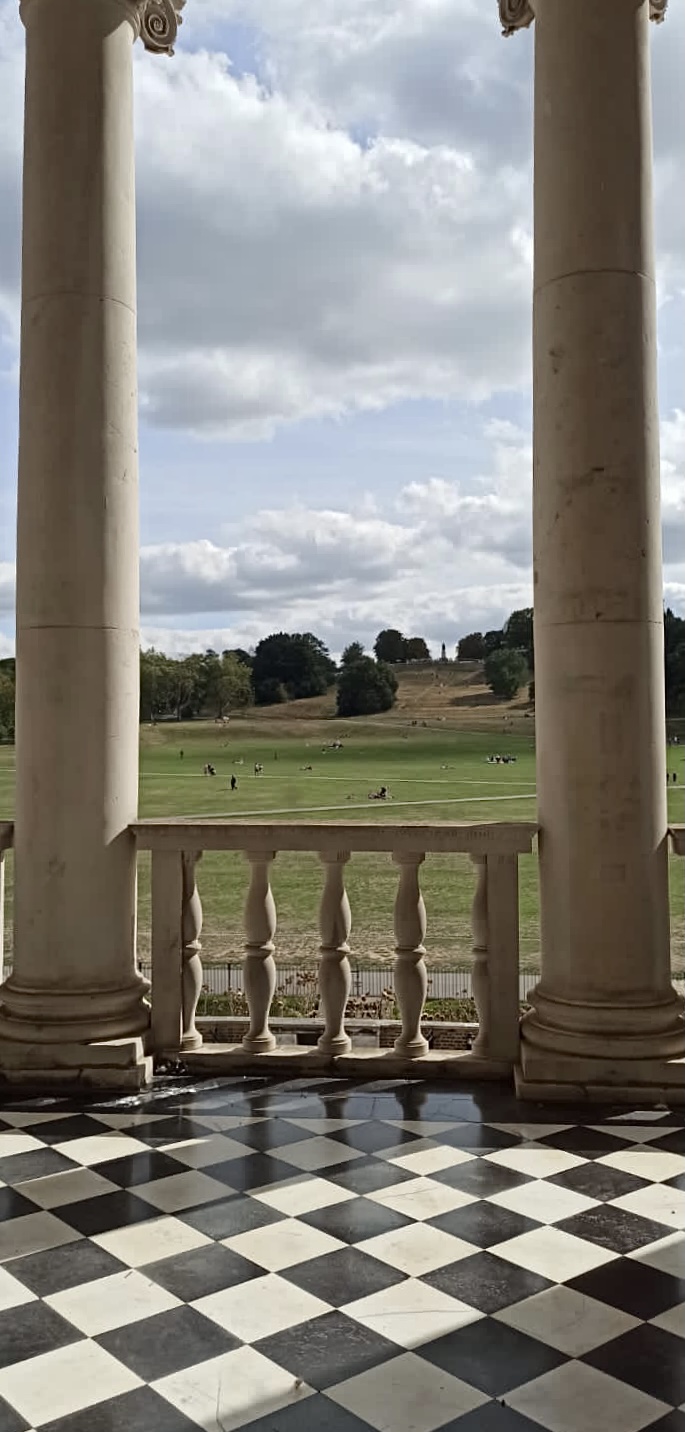
The Queen’s House is a beautiful classical building designed by the architect Inigo Jones, known for introducing Palladianism in its construction as well as the H-shaped architectural plan. 

Since its early construction at the beginning of the 17th century, the Queen’s House has been reconstructed many times throughout the years but has still managed to preserve its classical look.

Victoria and Albert Museum

📍 Cromwell Rd, Knightsbridge, London SW7 2RL

Founded in 1852, Victoria and Albert Museum is one of the world’s largest museums for applied and decorative arts with a collection of over 2.2 million artworks. Its exhibition halls are spread across 4 floors and open for free visits every week Wednesday – Sunday.

I absolutely loved visiting the museum as it was my first time exploring an exhibition with such a wide variety of artworks covering fashion pieces, regional and religious art pieces as well as sculptures, furniture, and ceramics. One piece of advice I’d give is to allocate enough time for your visit as the museum is quite big and there’s a lot to see.

Natural History Museum

📍 Cromwell Rd, South Kensington, London SW7 5BD

The Natural History Museum exhibits a rich array of specimens from various historical periods. Its five main collections consist of: botany, entomology, mineralogy, paleontology, and zoology, and its zones are divided by colors: red, green, blue, and orange. 

It’s probably one of my favorite museums in London, and it’s massive, so it’s best if you have a map. Alternatively, if you’re good at directions, unlike me, you most likely won’t have issues finding your way back.

Spots are always limited, especially during the weekend and it would be best to book your visit a few weeks in advance.


Stay tuned for part two! ✌️

Create your own website, free on WordPress.com.Create your own website.
Start free